
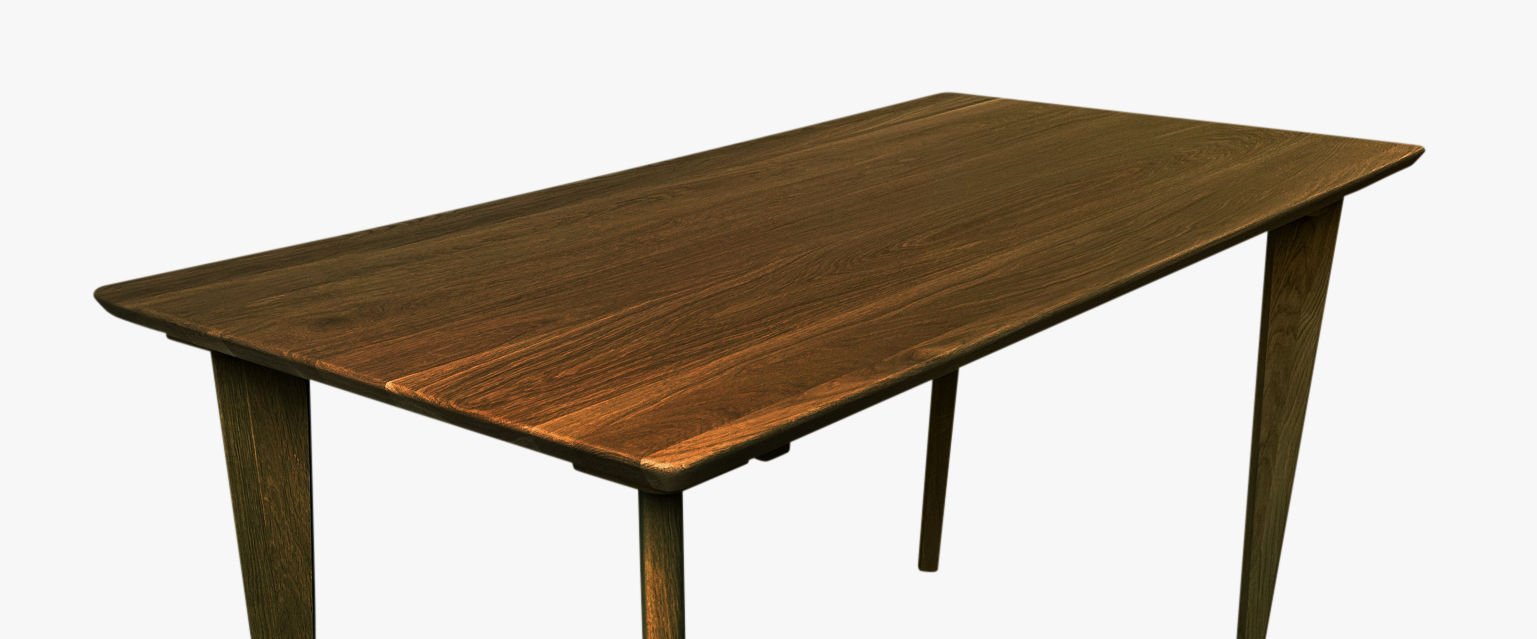
What measurements do you need before ordering table tops?
Before ordering table tops, we start with the working table: the top size, chairs, routes, base fit, overhang, finished height and underside details. A correct commercial table top measurement explains how the table will be used, rather than recording only the size of the wooden surface.
Most venues measure the top, not the working table
The common mistake is simple: venues measure the wooden rectangle and miss the table in use. Length and width matter, but they do not tell us whether the chairs fit, whether staff can pass, whether the base supports the top or whether the finished table height still works.
At Tablemaker, we usually want to understand the working table before we talk about final dimensions. A replacement top that matches the old size can still be wrong if the chairs have changed, the layout has moved or the base is being reused in a different position.
Made-to-measure ordering works best when the measurements describe the venue as it is used day to day. That means measuring the seating plan, the existing table bases and the service routine before settling on a size. Once those checks are in place, choosing the table top size becomes much less of a guess.
Chairs and routes decide the footprint
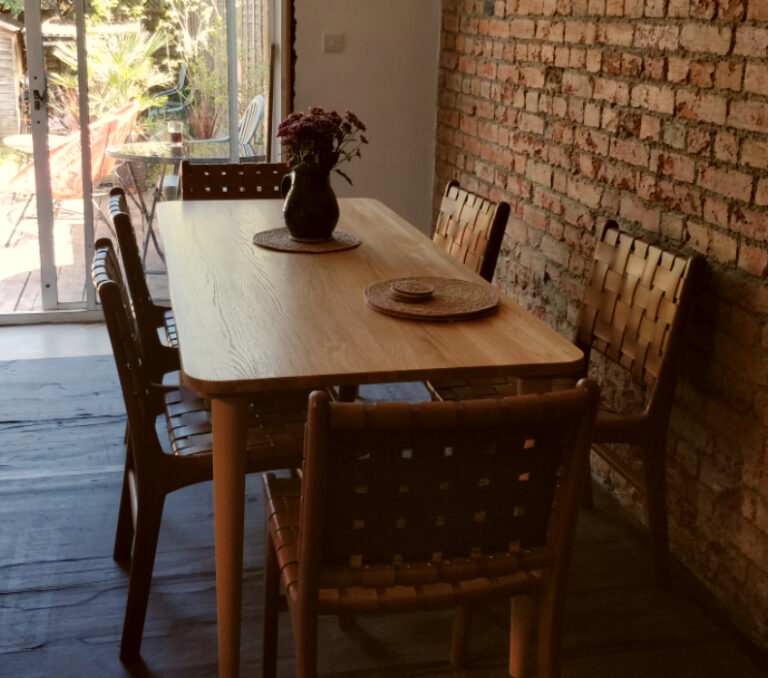
A table can look right on a plan and fail as soon as chairs are pulled out. Cover count is useful, but the working footprint also includes chair width, chair arms, pulled-out chair space and the route around the table.
For café table top sizing, a 60cm by 60cm square top is a common size for two people in café or commercial spaces. That size still has to suit your chairs, your menu and how customers use the table. A coffee and pastry setting asks less from a table than a full meal with larger plates.
We advise allowing at least 60cm of table width per person and aiming for at least 75cm clearance from walls or other furniture. Those figures give you a practical starting point, then the actual venue decides the final call.
Measure the chair in use. Put the chair where a customer will sit and pull it back as it will be pulled back in service. The measurement you need is the space the table takes when people are using it, not the neat footprint before opening.
Keep routes practical. Staff routes, corners, door swings and payment points all affect restaurant table clearance. Where tables sit outside, GOV.UK pavement licence guidance says clear access routes on the highway need to be maintained, and local authorities set the conditions that apply to your frontage.
Indoor layouts and outdoor layouts need different checks. A top that works inside may be too wide for pavement seating once chairs and public access are included.
 Podcast desk / table top in the studio
Measure the chairs in use, including arms, because the pulled out chair space often changes the real footprint more than the table size itself.

Bases, overhang and height decide the fit
When you keep the same base, the top has to match more than the old outline. The base footprint, fixing plate, arm spread, screw positions, top weight, overhang and final table height all affect whether replacement restaurant table tops fit properly.
This is where many standard size guides fall short. Base compatibility is a set of measurements, not a chart lookup.
| Measurement venues often take | Measurement we actually need |
|---|---|
| Old top length and width | Proposed top size plus the overhang on each side |
| Base width | Full base footprint where it meets the floor |
| Centre column size | Fixing plate size and screw positions |
| Visible top thickness | Finished table height with the new top fitted |
| Top surface only | Underside details that may meet the base |
| One base from the set | Each base that will receive a new top |
No single table top overhang works for every restaurant table. The safe amount depends on the base shape, the top weight, where people lean or sit, and whether chairs tuck under the edge. A larger top on a small base may look fine until someone rests weight on the edge.
Height gets missed because buyers focus on the new surface. A thicker replacement top raises the finished table, and that can affect knee space and chair fit. Wobble also needs a whole-table check: a level base, a sound fixing plate and a suitable top have to work together.
For non-domestic tables, the current British Standard is BS EN 15372:2023 from the British Standards Institution, which covers strength, durability and safety requirements. That standard does not apply where the top is not fixed to the understructure, so a secure fixing is part of the way the table is judged as a complete item.
Solid wood needs underside and movement checks
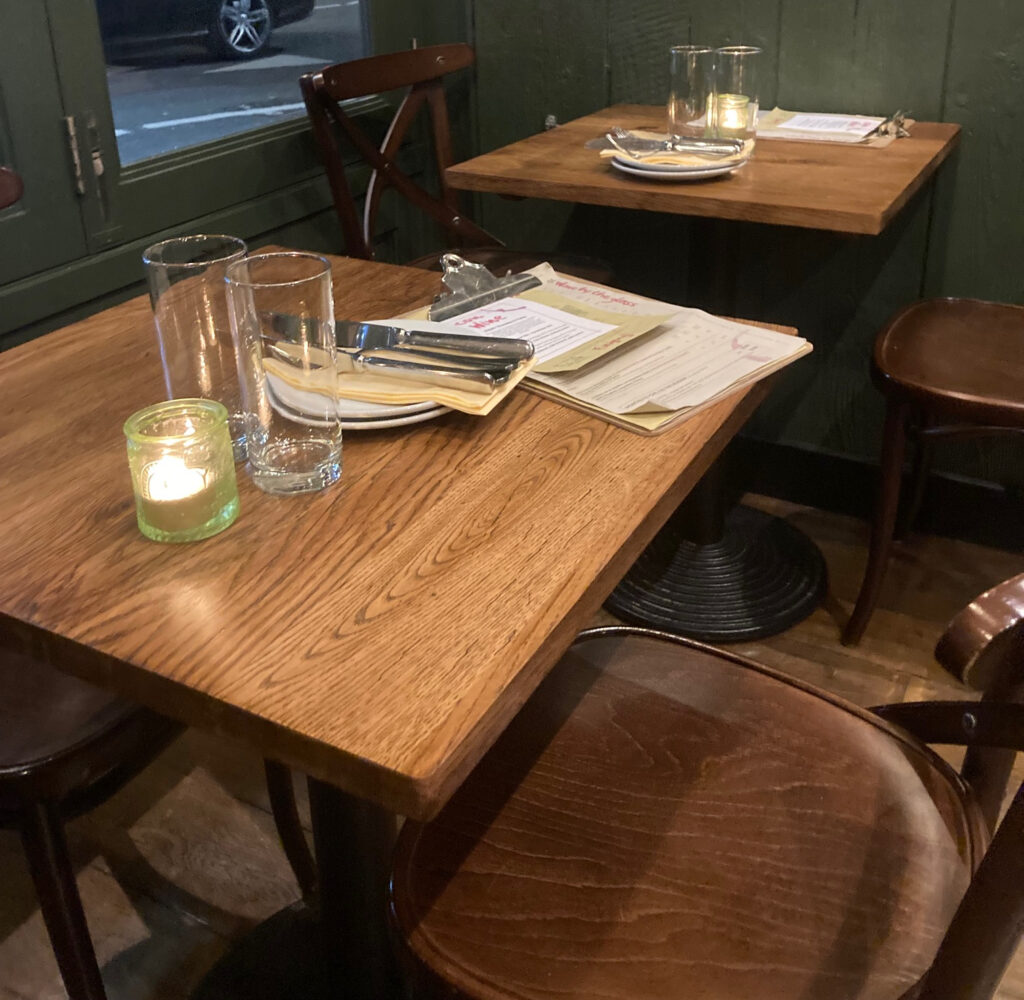
Solid wood table tops ask for one extra layer of measurement because the underside matters as much as the face you see. A base may sit neatly under a thin old top, then clash with a new top if bars, fixings or thickness change the underside clearance.
Full stave oak means the top is made from solid lengths of timber running along the top. That construction gives a proper solid wood surface, and it also means the workshop has to allow for how wood behaves over time.
Underside details affect the base
Straightening bars are bars fitted across the grain to help keep a wider top flat. In our workshop, we fit solid oak straightening bars underneath wider tops to help prevent cupping, with bars standard on tops wider than 40cm. Cupping means the top tries to curve across its width.
Those underside details can affect how a top meets an existing base. A fixing plate, spider arms or a central column may need a clear space under the top, so the underside should be measured before the order is approved. Photos and dimensions of the base help us spot clashes before timber is cut.
Movement is normal, not a fault
Solid wood expands and contracts as heat and moisture levels change. Sensible fitting gives the wood room to move, and poor placement makes movement harder to manage.
Radiators, damp walls and blocked airflow are practical issues in cafés, restaurants and bars. A top finished in hardwax oil is made for regular cleaning and repair, with clear, warm and dark finish choices available, but the finish does not remove the need for good placement and suitable fixings.
Handled correctly, solid wood is straightforward to use in commercial spaces. The buyer’s job is to measure the table and the setting clearly, then the workshop can build the top to suit that information.
Photograph the underside of each base before ordering, since fixing plates, spider arms and clearance issues are easier to spot from images than from a top view alone.
Batch orders need a measuring checklist, not assumptions
Are all the bases really the same? In a batch order, the costliest mistake is assuming that a matching set of existing bases, chairs or table positions all measure alike.
Use this table top measuring checklist before approving a commercial table top order:
- Measure the proposed top size. Record length and width for square or rectangular tops, or diameter for round tops.
- Check the chair space. Use the actual chairs, including arms if they have them, and measure how far they sit back in service.
- Mark the route around the table. Include staff movement, customer access, walls, counters and any outdoor access limits.
- Measure every base. Record the floor footprint, fixing plate, screw positions and any spider arms or supports.
- Confirm the overhang. Check each side of the top against the base, the chair position and how the table edge will be used.
- Check the finished height. Add the new top thickness to the base height so the final table works with your chairs.
- Look underneath. Note straightening bars, fixings, plates and any clearance the base needs under the top.
- Check the placement. Avoid positions where heat, damp walls or poor airflow will work against solid wood.
- Approve the final measurements. Made-to-measure orders cannot be returned for a size misjudgement, so the order confirmation needs a careful read before work starts.
Exact sizing is useful only when the input is right. If you need a 147 centimetre table top, we can build that exact size, but the better question is whether 147 centimetres works with the base, chairs, route and service pattern.
The real order is not a loose choice between restaurant table top sizes. It is a decision about the working table your venue needs to run properly, and that is the measurement that keeps a good-looking top from becoming a daily problem.
Questions we get asked about measuring table tops
Can you reuse existing restaurant table bases?
Yes, existing bases can often be reused, but they need to be measured properly first. We need the base footprint, fixing plate, screw positions, finished height and underside clearance before assuming a new solid wood top will fit.
What finish works for regular cleaning on solid wood tops?
Hardwax oil is our standard finish for solid wood table tops. It is food safe, water resistant and repairable, which suits regular cleaning in commercial use.
Do all tops in a batch need the same measurements?
Matching tops can be made to the same size, but each existing base and table position still needs checking. Small differences between bases can affect fixing, overhang and final height.
Do outdoor café tables need different checks?
Outdoor tables need the usual chair, base and overhang checks, plus the access requirements that apply to your pavement licence. Local authority conditions matter before you order outside seating tops.
How long do made-to-measure wood table tops take?
Most wood table tops are made and delivered within two to four weeks. Batch orders need clear approved measurements before work starts, so the timing works best when the measuring is settled early.
This is general information, not professional advice.