Posted on

What Is Contract Furniture?

Featured image

What Is Contract Furniture?

What is contract furniture and why is it used in commercial spaces?

Contract furniture refers to furniture that is purpose built for commercial use in environments such as offices, hotels, healthcare facilities, restaurants and educational institutions. Unlike residential furniture, it is manufactured to meet high performance demands for durability, compliance and frequent use. Contract grade furniture aligns with strict industry standards such as fire safety under Crib 5, structural integrity set by BS EN 16139 and ergonomic design specifications. These pieces are customisable, made from reliable materials and tested to last in public and high use spaces.

Introduction to Contract Furniture

Contract furniture plays a big part in shaping workplaces, public buildings and hospitality settings across the UK. It is chosen not just for how it looks but for how well it holds up to busy use. Whether you are sitting in a waiting room chair or working at a desk in an open plan office, chances are you are using contract furniture that has been picked for performance, reliability and comfort.

Defining Contract Furniture: Commercial Grade Design and Purpose

Contract furniture is designed for regular use in places like schools, offices, cafes and clinics. Unlike home furniture which is usually bought for style and comfort, commercial furniture needs to deal with people coming and going all day long. It is made using stronger materials and is built to a standard that makes it suitable for heavy use. For example, office chairs need to support posture for long working hours while restaurant tables need to be easy to clean and stable.

Contract Furniture vs Residential Furniture: Core Differences

The materials and design used in contract furniture are the biggest differences compared to furniture you would buy for your home. It uses things like engineered hardwood, reinforced plastics such as polypropylene and metal frames that do not easily bend or break. The finishes are chosen to be easy to clean and fabrics are tested using the Martindale rub test to check how well they stand up to wear. Contract furniture is expected to last longer and meet health and safety standards that home furniture does not.

Where Is Contract Furniture Used? (Offices, Hotels, Healthcare and More)

You will find contract furniture in all kinds of public and commercial places. Common examples include:

  • Offices and co working spaces
  • Cafés, pubs and restaurants
  • Hotel rooms and lobbies
  • Schools, colleges and universities
  • GP surgeries, clinics and hospitals
  • Libraries, waiting rooms and council offices

In each of these spaces the furniture needs to work hard, be safe and still look good. From stackable chairs in community halls to custom desks in modern workspaces, the furniture plays a key role in how the space is used each day.

Key Benefits of Contract Furniture

Built to Last

Commercial furniture is made with high traffic use in mind. It might be used every single day for years. That is why things like reinforced joints, thicker surfaces and industrial grade finishes are so common. It holds up better than standard household furniture over time.

Safe and Certified

There are rules that contract furniture has to follow. For example, Crib 5 rated fabrics are needed for fire safety in places like hotels or care homes. Furniture in schools must meet height and strength standards under BS EN 1729. These rules help protect staff, customers and visitors.

Matches Your Look

The finish matters too. Whether it is a powder coated metal frame in your brand colours or upholstery in fabric that fits your design scheme, contract furniture can be made to suit your space. You can often pick from a wide range of finishes and fabrics.

Good Value Over Time

Commercial furniture can cost more up front. But because it lasts longer and does not need replacing as often, it is usually the more cost effective choice for organisations and businesses.

What standards does contract furniture need to meet?

Fire, Strength and Durability

Most contract furniture in the UK needs to meet British and European safety and quality standards. These include:

  • BS EN 16139: This applies to strength, durability and safety of seating used in non domestic areas
  • BS EN 1729: Sets out dimensions and performance standards for furniture used in schools
  • Crib 5: Fire safety requirement for upholstered seating used in public spaces
  • ISO 9001: Quality control certification during the manufacturing process

Martindale Testing

Fabrics used in contract settings need to withstand constant use. The Martindale rub test measures a fabric’s resistance to abrasion. Contract grade fabrics generally score over 30,000 rubs. Some go well beyond that, making them ideal for healthcare furniture, hospitality settings and educational environments.

Industry Specific Requirements

  • Healthcare facilities require surfaces that can be sanitised and fabrics that resist stains and disinfectants
  • Schools need durable furniture with age appropriate dimensions
  • Restaurants benefit from stackable seating and easy clean surfaces

Pro Tip: Always ask for certification details when buying commercial furniture. It ensures you meet legal fire safety and durability requirements, especially for public spaces like schools or clinics.

Pro Tip: Consider fabric cleanability and rub count before choosing upholstery. A high Martindale score and bleach-cleanable materials are ideal for busy or clinical environments.

Real Use Cases for Contract Furniture

Most people come into contact with contract furniture regularly. In restaurants, tables and chairs are often chosen for their easy maintenance and long life. In clinics and GP surgeries, seating needs to be supportive, safe and easy to clean. In offices, ergonomic chairs and adjustable desks support staff wellbeing and productivity.

Contract furniture helps spaces function well while still looking presentable. The right choices can also reflect brand identity and create a more comfortable experience for customers and staff. For more guidance on choosing the right seating, visit our guide to contract chairs for healthcare and hospitality or explore our customisable tables for workplace use.

What materials are used in contract furniture?

Engineered for strength and longevity

Contract furniture is manufactured using materials that are selected for their ability to withstand heavy use, cleaning and movement. Hardwoods such as oak and beech are frequently used in chair frames, while engineered boards including high pressure laminate and melamine faced chipboard are standard for desks and table tops. Metal frames are usually constructed from powder coated steel or aluminium and often welded for additional stability.

Plastics and composite materials

Injection moulded polypropylene is common for chairs used in schools, dining areas and outdoor spaces due to its resistance to impact, stains and moisture. High density polyethylene and fibreglass reinforced plastics are also used in certain seating ranges where added strength is required without adding unnecessary weight.

Surface finishes and coatings

Commercial surfaces need to stand up to frequent cleaning and the effects of humidity, abrasion and sunlight. Powder coating offers a wide colour selection and strong resistance to corrosion. For table tops and shelving, surfaces may be finished with laminate, veneer or linoleum. Many commercial table surfaces are now coated in antibacterial laminate for added hygiene.

What upholstery options are suitable for commercial use?

Contract grade fabrics and testing

Upholstered items must meet performance standards for durability, cleanability and fire resistance. Martindale rub scores are used to rate abrasion resistance. For commercial use, scores above 30,000 are standard. Tablemaker uses contract fabrics from leading suppliers which regularly exceed 50,000 rubs.

Vinyl, leather and bleach cleanable options

Vinyl and faux leather fabrics are popular in hospitality and healthcare as they are easy to clean, resistant to moisture and often bleach cleanable. We also offer options in genuine leather and antimicrobial coated textiles. Each option is suited to different settings depending on visual requirements, hygiene standards and comfort.

COM and custom colour schemes

We also offer COM, short for customer’s own material. This allows clients to supply fabrics that match their interior branding. We can provide guidance on compatibility and compliance with safety standards. A full palette of upholstery colours and textures can also be matched to your design scheme.

Need Furniture That Works as Hard as You Do?

We supply contract furniture that stands up to daily use in offices, cafes, schools and healthcare settings.

Request a Quote

Is contract furniture customisable?

Yes, contract furniture is often made to order. This allows for a wide range of frame styles, colours and materials to suit your space. At Tablemaker we offer custom dimensions, finish options and features such as linking chair tabs, stacking design, wipeable edges, writing tablets and castors.

Furniture for meeting rooms may include power access modules or cable management. Dining chairs for food courts may have linking brackets. Modular sofas for breakout spaces may include armrest options and integrated tables. Our experienced team can help you match the specification to the real use of your space.

How does ergonomics influence contract furniture design?

Ergonomics plays an important role in how contract furniture supports posture, comfort and productivity. In workplaces, chairs must support natural alignment and provide adjustment settings for height and back support. In education, student chairs and desks are designed in accordance with BS EN 1729 to accommodate a range of age groups and sizes.

Ergonomic contract seating helps reduce strain and fatigue during long use. Adjustable chairs with lumbar support, contoured seats and tilting mechanisms are now common in offices. In hospitality and leisure spaces, soft seating with correct seat depth and arm height can make a meaningful difference to user experience.

Why is sustainability becoming a priority in commercial furniture?

Organisations are increasingly considering the environmental impact of their furniture. This includes the origin of materials, the lifespan of products and how easily they can be recycled or repaired. Sustainable contract furniture includes items made from FSC certified wood, recycled metals and low emission adhesives. Water based coatings and fabrics with environmental certifications are also gaining popularity.

At Tablemaker, we work with suppliers who prioritise sustainable practices. Where possible, our products are designed to be disassembled for refurbishment or recycling. We also offer upholstery ranges with recycled content and timber sourced from responsibly managed forests. More details are available on our sustainability approach.

What warranty and aftercare can you expect with contract furniture?

Contract furniture usually comes with longer warranties than domestic furniture. This reflects the high performance standards and durable construction. Warranties typically range from five to twenty years depending on the item and use case. Items such as seating for high traffic areas or bespoke installations may include site specific agreements.

Aftercare is equally important. Tablemaker offers guidance on cleaning routines, repair options and fabric care. Replacement parts or refurbishment support are also available for many of our models. This ensures the product performs well over time and remains in good condition even with everyday use.

For advice on maintenance and care, you can visit our product support centre or speak to our team for tailored guidance.

What is the buying process for contract furniture?

The process of buying contract furniture usually starts with identifying your space requirements and intended use. This includes the number of users, type of activities, cleaning needs and design goals. From there, you will need to consider materials, certifications and lead times. At Tablemaker, we support clients with space planning, product selection and specification advice to help you make confident choices.

Most commercial orders involve customisation. This may be as simple as choosing a frame finish or as detailed as specifying fabric combinations, edge profiles or built in functionality. Once your order is confirmed, lead times vary depending on the scale and level of custom work. We advise allowing six to ten weeks for most custom commercial orders.

We also offer delivery and installation services to make sure everything arrives in perfect condition and is correctly assembled on site. For more detail, our ordering and delivery guide explains what to expect from start to finish.

Why choose Tablemaker for contract furniture?

At Tablemaker we specialise in designing and manufacturing commercial furniture that is built to work hard and last. From workplace tables to bespoke seating, our focus is on making furniture that looks good and performs well. Every piece is made with attention to comfort, compliance and quality.

Our team offers end to end support. That means help with layouts, advice on standards and guidance on materials. You can work with us to customise sizes, finishes and configurations that meet your brand and user needs. Whether you are furnishing a single meeting room or rolling out a full site refit, we are here to help.

You can explore our industries served to see how we support healthcare, hospitality, education and more.

Final thoughts on choosing contract furniture

Contract furniture plays an important part in creating safe, comfortable and productive environments. Whether it is a sofa in a hotel lobby, seating in a GP surgery or a table in a school canteen, the right furniture supports the way people work, relax and interact.

Choosing the right commercial furniture means thinking about more than just appearance. It involves making decisions about compliance, durability, comfort and layout. When you get these choices right, the result is a better experience for everyone who uses your space.

At Tablemaker, we are ready to help you choose commercial furniture that fits your budget, matches your design goals and stands up to everyday use. You can contact our team for guidance or visit our website to browse ranges by category or sector.

FAQs

What is the Martindale rub test in contract furniture?

The Martindale rub test measures how many times a fabric can be rubbed before it shows wear. A higher number means better durability. Contract grade fabrics usually start at 30,000 rubs and some exceed 100,000.

Can contract furniture be used at home?

Yes, contract furniture can be used in homes. However, it is usually more expensive and often comes without domestic fire safety labelling. Some people choose it for comfort or because of health needs.

What makes contract furniture more durable?

Contract furniture uses stronger frames, tougher fabrics and finishes that can handle cleaning and frequent use. Joints are reinforced and surfaces are built for high contact environments.

How do I check if contract furniture meets UK standards?

You should look for labels or specifications referencing BS EN 16139, Crib 5 and other relevant standards. Reputable suppliers like Tablemaker provide this information clearly on product pages or technical sheets.

What is COM in upholstery?

COM stands for Customer’s Own Material. It allows you to send in a fabric of your choice for use on your selected furniture, provided it meets performance and fire safety requirements.


Visit our blog page Commercial Interiors help & Furniture Buying Guides.

Customise Your Space with Made-to-Order Furniture

Choose finishes, fabrics and features that reflect your brand and meet your needs.

Browse our furniture shop

Tablemaker

55 High St, London N8 7QB

02083416334

HVQM+58 London


Posted on

The Complete Guide on Choosing Materials for Bar Tables and Chairs

Guide on furniture

The Complete Guide on Choosing Materials for Bar Tables and Chairs

What are the best materials to choose for bar tables and chairs?

Selecting the right materials for bar tables and chairs is crucial for creating durable, stylish, and functional environments in both commercial and residential spaces. From pubs and cafes to home bars, furniture needs to work hard without looking tired. This guide shares practical advice about material choices that look good, last longer, and feel right, whether you’re buying for a hospitality venue or your own kitchen.

Introduction

In places where tables and chairs get constant use, what they’re made of really matters. Whether you run a bar in London or a pub in the countryside, you want furniture that’s comfortable, looks the part and won’t fall apart after a few busy weekends. At Tablemaker, we make bar tables and chairs from solid oak and other premium hardwoods. We focus on quality materials and proper joinery so your furniture feels dependable from day one and keeps going for years.

Key Considerations for Bar Furniture Selection

Durability in High-Use Environments

Bar furniture goes through a lot. Chairs get dragged across floors, tables get knocked and wiped constantly, and spills happen daily. This is why strong materials like oak, ash, and quality metal are used for long-term performance. Avoid lower-end materials like chipboard or thin veneers, as they often don’t hold up well under pressure. Solid wood and strong frames help your furniture stay looking good and working well.

Aesthetic Harmony with Venue Themes

Your tables and chairs should fit the look of your space. If you’ve gone for an industrial style with bare walls and exposed steel, metal legs and darker finishes usually work well. If your venue is brighter or more natural, then oak or ash in a lighter tone can keep the atmosphere relaxed and open. A well-matched setup always feels more inviting and thought-out.

Cleaning, Maintenance, and Hygiene

Furniture in hospitality settings needs to be easy to clean. Food and drink are always in the mix, so surfaces must be smooth and sealed. Hardwax-oiled wood is a good choice because it keeps its natural look while still offering protection. For upholstered chairs, wipe-clean finishes like leather or commercial-grade vinyl are great if you’re dealing with a lot of use.

Fit for Trade and Hospitality Buyers

Bars, restaurants and pubs need furniture that meets commercial safety and wear standards. This includes things like Crib 5 fire-resistant fabrics and sturdy table bases that don’t wobble after a few moves. We work with trade buyers who need furniture that’s solid, custom-sized, and easy to care for, whether it’s going into one venue or rolled out across several locations.

Popular Bar Table and Chair Materials Explained

Solid Wood: Oak, Walnut, Ash

Oak is a favourite for a reason. It’s dependable, has character in its grain, and takes finishes well. It doesn’t dent or scratch easily, and if it does, you can sand it back and re-oil it. Walnut gives you a deeper, darker tone, while ash is smoother and more modern looking. All three are good choices if you want furniture that holds up and looks better over time.

Metal: Steel and Aluminium

For legs and frames, metal gives strength without adding bulk. Powder-coated steel works well for high-use areas and adds a clean, industrial feel. Aluminium is lighter but still strong, and doesn’t rust, which can be helpful in coastal locations or semi-outdoor spaces.

Upholstered Finishes: Velvet, Leather, Faux Leather

Upholstered seating makes a big difference in comfort. Leather and faux leather are easy to wipe clean and work well in pubs or wine bars. Velvet looks stylish and suits more refined settings like cocktail lounges or boutique hotels. If your chairs see heavy use, stick to materials that are made for commercial spaces.

Engineered Wood and Composite Options

You’ll find MDF and veneered plywood used in some cheaper furniture. While they keep the cost down, they don’t wear the same way as solid wood. Edges can chip, surfaces can peel, and once they’re damaged, there’s not much you can do. They might be fine in short-term or low-use spaces, but they’re not ideal for long-term commercial use.

Solid Wood vs. Veneered MDF vs. Chipboard

Structural Strength

Solid wood like oak is naturally strong and handles weight and wear well. Veneered MDF is weaker by comparison and is made by gluing thin layers of wood on top of a composite board. Chipboard is usually the cheapest option, but also the least stable, especially around screw fittings which can loosen or break over time.

Repair and Refinish Options

One of the best things about solid wood is that it can be repaired. You can sand out stains, knocks or water marks and then reapply oil. That just isn’t possible with veneered or laminated furniture. Once they’re scratched, they’re usually done.

Longevity and Cost Over Time

While chipboard or MDF might seem cheaper up front, it rarely lasts more than a few years in a busy setting. Solid wood costs more at first, but lasts longer, needs less replacing, and often looks better the older it gets. For trade buyers, that often works out as better value in the long run.

Pro Tip: Always check if bar stools are Crib 5 compliant when buying for hospitality settings. It’s a legal requirement in the UK for commercial indoor use.

Pro Tip: If you want tables that age well and last for decades, choose hardwoods like prime-grade oak over cheaper veneered or composite options. They look better with time and are easy to refinish.

Why Solid Oak Is the Gold Standard

Oak is the benchmark when it comes to strong, reliable, good-looking furniture. It’s a hardwood that stands up to frequent use and still looks the part. The grain has character, the colour deepens with time, and it’s easy to finish in a way that protects without hiding the beauty of the wood.

It also works well with most bar interior styles, from modern to classic. Whether you want square tops, curved edges, or a heavy rustic feel, oak is versatile enough to meet the brief. At Tablemaker, we use only prime-grade oak, which is cut from the centre of the tree where the timber is most consistent and free from knots. That means fewer flaws, longer life, and a better result overall.

Unlike cheaper softwoods or MDF core products, oak doesn’t bend, warp, or sag under pressure. It stays solid, which is especially important for commercial tables that see daily use.

Protective Finishes for Longevity

The finish you choose makes a real difference to how your furniture holds up over time. We use hardwax oil as standard on our oak tables and tops. It soaks into the wood and gives it a natural, matt sheen that highlights the grain but also adds a layer of spill resistance.

Unlike varnish or lacquer, hardwax oil doesn’t create a shiny surface that cracks or peels. It penetrates the timber, which means it can be topped up or spot-treated if needed. This makes it ideal for bar and restaurant use, where maintenance has to be simple and effective.

Other finishes include polyurethane lacquer, which offers a plastic-like coating, but can sometimes feel too rigid or artificial. Natural oil is another option, but requires more frequent reapplication and less resistance to alcohol and heat.

In short, hardwax oil offers the best balance of looks, protection, and practicality for everyday use in commercial environments.

Customisation and Bespoke Options

Every venue has different needs, and off-the-shelf sizes don’t always fit. That’s why Tablemaker offers full customisation, from table dimensions to edge details and leg styles. If you need a narrower table for a tight alcove, or a long shared table for communal dining, we can build to your exact measurements.

We also match finishes and designs to your brand or design scheme. Want a Scandinavian look with pale ash tops and tapered legs? No problem. Prefer industrial with dark-stained oak and black metal A-frame legs? We’ve done it. Customers often send us photos or sketches and we work from those to create one-of-a-kind pieces.

Because our furniture is made to order in the UK, we can also accommodate special requests, like built-in cable management for tables doubling as laptop stations, or custom-height stools for non-standard bars.

Commercial-Grade Strength and Joinery

Bar tables and chairs need to be strong. Commercial spaces put furniture through far more use than a home would. That’s why we use joinery that holds together over time. Mortise and tenon, strong dowels, and brackets that don’t shift after months of use—these are the things that keep tables firm and wobble-free.

Even though our furniture is delivered flat pack for easier transport and access, we don’t cut corners. We design our frames to assemble tightly and stay strong, even when moved around regularly. Customers tell us their tables feel more solid than most fully assembled alternatives.

Best Materials for Different Bar Styles

Every bar has its own character, and your materials should support that. If your bar has a rustic feel, solid oak or reclaimed timber in natural or dark finishes can really suit the space. For more modern bars, think about cleaner lines—light ash, slim legs, maybe some metal frames.

For venues going for industrial styling, you might mix oak tops with raw steel legs or black powder-coated bases. If you’re furnishing a wine bar or lounge, velvet or leather upholstery with walnut or dark-stained oak works nicely. Even small changes in material can change the mood of a space.

Bar Chair Material and Ergonomics Guide

Comfort is just as important as style. A good bar chair isn’t just about looks—it needs to feel right too. Think about the seat height. Most bar tables are 100 to 110cm tall, so a chair height of 70 to 80cm usually works. Backrests, footrests and cushioned seats help people stay longer and feel relaxed.

Solid wood chairs are strong and dependable, but if you want extra comfort, consider padded seats in leather or commercial vinyl. They’re easier to clean and feel nicer over longer sittings. Some venues go for mixed materials—metal frames with timber seats, for example—to keep it smart but sturdy.

If your chairs need to meet UK hospitality safety standards, make sure your fabrics are Crib 5 compliant. All of ours meet that level, so you don’t need to worry about fire regulations.

Outdoor Bar Furniture Considerations

If your tables and chairs will be used outside, you’ll need to think about weather resistance. Solid oak can be used outdoors, but it needs the right treatment. Applying a UV-resistant finish and regular re-oiling will protect it from sun and rain. Teak and iroko are also good outdoor hardwoods because they contain natural oils that help repel moisture.

Steel frames should be galvanised or powder coated to prevent rust. Aluminium works well because it doesn’t corrode, and it’s lightweight so easier to move when rearranging outdoor spaces. Plastic may seem practical, but it often lacks the weight and sturdiness needed in windy or open areas.

Keep in mind that outdoor furniture needs to be easy to clean and fast to dry. Materials like polypropylene or metal mesh chairs work well in venues with limited storage since they can stay out year round. It’s also worth considering stacking designs to save space when not in use.

Trade Enquiries Welcome

We work closely with bars, restaurants and cafes across the UK. Contact us for volume pricing and bespoke hospitality solutions.

Request a Quote

Why is sustainability an important factor when choosing bar furniture materials?

There’s more awareness now around where materials come from and how long they last. Choosing sustainable furniture means looking at the lifespan, how it can be maintained, and what happens when it eventually reaches the end of use.

At Tablemaker, we work with solid oak that’s responsibly sourced. Because it can be re-sanded and refinished, it stays in use for many years. This is very different from chipboard or veneered options that tend to get thrown out once they’re damaged. Buying once and buying well reduces waste and usually works out better for your budget too.

We also offer a sample service so you can see the finish before committing. This helps you make an informed choice and reduces the chance of returns, which lowers transport emissions. More information on our material samples is available on the Tablemaker samples page.

Advice for Trade Buyers and Hospitality Venues

If you’re fitting out a commercial space like a pub, cafe, or restaurant, the furniture needs to be up to the job. Look for materials that meet industry standards. Our upholstery options meet Crib 5 fire safety requirements, and our tables are built using traditional joinery methods for long term use.

We offer full flexibility with dimensions and design features. Whether you need bar tops only or complete tables for dining areas, we can provide consistent finishes across all items. This helps your venue feel cohesive while giving you confidence that everything will perform well in service.

Trade clients also benefit from competitive pricing on volume orders and support throughout the ordering process. 

Practical Buying Tips and Sample Options

Getting the size and shape right is just as important as choosing the material. For bar tables, standard height is around 105 centimetres. You’ll want stools that sit at about 75 centimetres for comfortable seating. If space is tight, consider round or oval tops which are easier to move around than square ones.

If you’re unsure what will suit your space, try ordering wood samples first. At Tablemaker, we offer samples in a range of finishes so you can compare them in your actual lighting and setting. It’s also useful to measure out your space with tape or cardboard cut-outs before placing a final order. This gives a better feel for how people will move around the furniture once it’s in place.

For more help, our samples section makes it easy to order real oak samples and finish swatches online.

How do you maintain and care for solid wood bar tables?

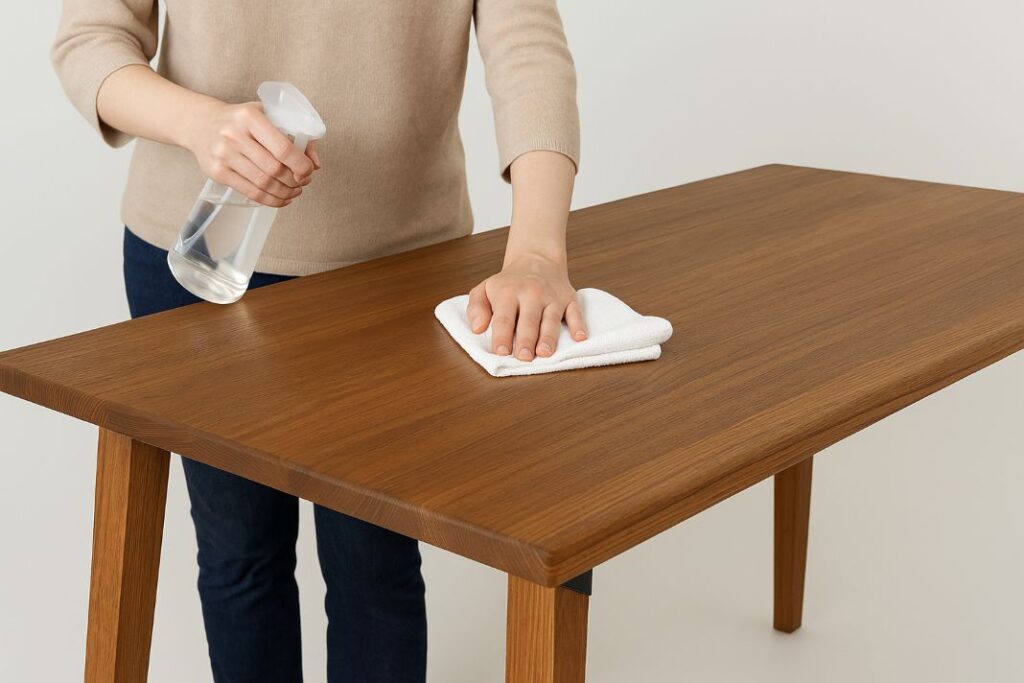
Looking after your furniture properly helps it last for years and keeps it looking its best. For solid oak tables, we recommend using a soft damp cloth for daily cleaning and avoiding harsh chemicals. Spills should be wiped up promptly to avoid staining the surface.

Our tables come treated with hardwax oil which is designed to protect against moisture and everyday wear. Over time, if the table starts to look dry or loses its sheen, a fresh coat of oil can be applied. For deeper marks or scratches, the top can be lightly sanded and re-oiled, restoring the surface without needing a full replacement.

Avoid placing hot items directly on the surface, and use felt pads under accessories to reduce the chance of scratches. More detailed guidance is available on our care and maintenance page.

Summary

Choosing the right materials for your bar furniture is about more than just looks. Solid hardwoods like oak give you strength, longevity, and timeless appeal. Paired with protective finishes and commercial-grade build quality, your tables and chairs will be ready for years of use.

At Tablemaker, we help customers across the UK find made-to-order bar furniture that suits their space, their brand, and their budget. With flexible sizing, high quality materials, and proper trade support, we make sure you get furniture that works hard and looks good doing it.

FAQs

Can I order custom-sized bar tables and stools?
Yes, we offer made-to-measure options for both residential and commercial clients.

Do your materials meet commercial safety standards?
All upholstery options meet Crib 5 requirements and our tables are built using trade-grade joinery.

How do I maintain my oak bar table?
Use a damp cloth for cleaning and apply hardwax oil occasionally to keep the wood protected.

Are your finishes food safe?
Yes, our standard hardwax oil is suitable for surfaces where food and drink are served.

Can I see a sample before ordering?
Absolutely. You can order oak and finish samples from our website to help you decide.

Order a Sample Before You Commit

Not sure which finish will work? Try our solid oak wood samples to compare tone and texture in your own space.

Browse our furniture shop

Tablemaker

55 High St, London N8 7QB

02083416334

HVQM+58 London


Posted on

Is Custom Furniture Worth It in 2025? The Pros, Cons and Smart Buyer’s Guide

Featured image

Is Custom Furniture Worth It in 2025? The Pros, Cons and Smart Buyer’s Guide

Is custom furniture worth it in 2025?

Custom furniture in 2025 remains a smart and thoughtful choice for people looking for something long lasting, practical and made to fit their space exactly. Although it often costs more than flat pack alternatives and takes longer to arrive, the quality, finish and individuality of custom made tables and tops continue to make them a better investment. Whether you need a table that fits a small London kitchen or want something solid for a busy café, the benefits of going custom outweigh the trade-offs.

What is custom furniture and how is it different from bespoke?

Custom furniture refers to pieces that are adjusted to suit your preferences. That might mean changing the size, shape, materials or finish on an existing design. Bespoke furniture is created completely from scratch based on your ideas or specific needs. The terms are sometimes used in similar ways, but in the UK there is often a difference. Custom tables from Tablemaker are usually based on a selection of set designs, while bespoke work involves a new concept, drawing or style that starts from a blank page.

Why do people choose custom over ready made in 2025?

Ready made furniture is widely available, but it often means compromising on materials, size or style. Much of it is made using veneered particleboard or composite materials that do not hold up well with daily use. With custom furniture, especially handmade tables from solid oak, you can choose the exact size and layout you need. This makes a noticeable difference in smaller homes, shared spaces or busy hospitality venues. Instead of settling for close enough, you get a fit that’s right the first time.

Pros of custom furniture

Made to suit your style

A custom table is made to reflect your personal taste and how you use the space. Whether you want something modern and clean or a more natural finish with industrial steel legs, the choice is yours. Tablemaker tables are influenced by Scandinavian and minimalist designs, but you can tweak any part to fit your room.

Fits exactly where you need it

Standard sizes do not always match real homes. Whether you are working with a narrow flat, a corner that never fits a regular desk or an open plan kitchen that needs a longer run, having a table built to your measurements makes the space work better. With Tablemaker, you can choose any size you like and get help to decide what works best.

Built with proper materials

A lot of furniture you see online is made using pine, plywood or a veneer that scratches or chips after a few years. Tablemaker only uses solid oak because it is durable, stable and holds its shape well over time. The legs are made using strong joinery techniques that avoid wobbles or uneven wear.

Easy to care for and made to last

Solid wood tables can be re oiled, re sanded and looked after for decades. That means you do not have to throw them away when the surface dulls or picks up marks. Tablemaker uses hardwax oil, which soaks into the wood, protecting it without building up a shiny or plastic finish.

Looks and feels unique

Because every order is made to specification, you are not buying something that thousands of others already own. A custom oak table becomes part of your home or business, shaped around your needs and preferences. For restaurants or coffee shops, it can help define your look and make a strong impression.

Better for the environment

Making furniture that lasts longer and avoids replacement means less waste. Using real oak from trusted suppliers and avoiding laminated boards helps reduce reliance on unsustainable materials. You can read more about Tablemaker’s commitment to lasting materials on their care and maintenance page.

Supports UK based makers

Buying from an independent business means your order is handled by the same people who build the table. Tablemaker is run by a two person team in North London. This makes the service more personal and avoids the problems that come with drop shipped or imported products.

Pro Tip: Always order a wood sample before finalising your finish. This gives you a true feel for tone, texture and how the grain looks under natural light in your space.

Pro Tip: Measure your clearance zones carefully. For dining tables, allow at least 60cm between the table edge and any walls, radiators or doorways to ensure comfort.

Cons of custom furniture

Costs more than mass produced items

Handmaking a solid wood table to your specification takes longer and uses higher quality materials. The upfront cost is higher than buying something flat packed, but it often works out better value because you are not replacing it within a few years.

Takes longer to receive

Because each item is built from scratch, the waiting time is longer. Depending on the complexity, it may take several weeks from approval to delivery. This is not ideal for last minute projects, so it helps to plan ahead. Delivery times are usually discussed before you place your order.

Cannot be returned or swapped

Once your table has been made to your measurements, it cannot be sent back unless there is an issue with quality. To avoid any mistakes, Tablemaker encourages customers to use their wood sample service and to check guidance on choosing the right size.

More decisions to make

Choosing the right size, leg style, finish and wood tone can feel like a lot to think about. That said, Tablemaker keeps the process simple with a limited range of proven options and a step by step guide that you can follow on their style guide.

You need to explain what you want clearly

If you are ordering something fully bespoke, it helps to send sketches, photos or example references so that the team understands what you want. This avoids misunderstandings and makes sure everyone is on the same page from the start.

Build Your Table Today

Choose your table style, dimensions and finish. We’ll take care of the rest.

Request a Quote

How does custom furniture compare with mass produced options?

Feature

Tablemaker custom tables

Mass produced furniture

Materials used

Solid oak and traditional joinery

Veneered chipboard or MDF

Build process

Handmade to order

Assembled in factories

Customisation options

Full control over size, style and finish

Limited or fixed selections

Longevity

Built to last decades

Often replaced within five years

Value for money

Higher initial cost with long term benefit

Lower cost but shorter lifespan

How to order a custom table with Tablemaker

Choose the style and size that works for your space

You can start by browsing the range of table designs and selecting one that fits your taste. Then use their size guide to check which dimensions will suit your layout and room use.

Select the materials and finish

Decide on the table top thickness, wood tone and whether you prefer a rounded or square edge. These choices affect the final look and feel, so Tablemaker offers sample packs to help you compare finishes.

Send any references if you want something unique

If you want to base your table on a certain image, drawing or idea, you can send this to the team using the contact form. They are happy to work from basic sketches or examples.

Review the final specification

You will receive a summary of your order before any work begins. This is your chance to check that all sizes, details and options are exactly right.

Wait while your table is built

Once confirmed, your order enters production. Because everything is made in a small workshop, the lead time is usually between two and four weeks depending on the complexity.

Why does Tablemaker stand out in the UK market?

Tablemaker builds all their tables in North London using joinery grade oak and time tested construction methods. They do not use veneers, pine or fast fixings. Everything is solid and made for everyday use. Their tables are delivered flat packed for transport but feel more like traditional furniture once assembled. Customer reviews highlight the finish, fit and personal support throughout the process. You can browse recent customer feedback directly through their Google reviews listing.

Where does custom furniture work best?

Dining areas in homes and open kitchens

If your space is not square or has a layout with changes in width, a custom table will make the most of every centimetre. This is useful in long narrow kitchens or rooms with limited clearance around doors. Check out this custom furniture design project completed in Brazil by Amazonas Planejados, known for its excellence in design and customization. Learn more about how they can transform your space with tailored solutions by visiting the Amazonas Planejados website.

Coffee shops, restaurants and cafés

Commercial interiors need to be practical and welcoming. Custom tables can be made to seat the right number of guests, match the colour palette and last longer under daily use. Many Tablemaker clients run small businesses and say the furniture helps them create a better experience for customers.

Home offices and multipurpose rooms

Desks made to measure can help maximise the use of available wall space and make working from home more comfortable. Whether it is a corner desk or a piece that folds into a dining space, you can get exactly what works.

What do real Tablemaker customers say?

People who order from Tablemaker often mention how easy it is to speak with the person making their table. They appreciate having direct contact with someone who understands the materials and can give straightforward answers.

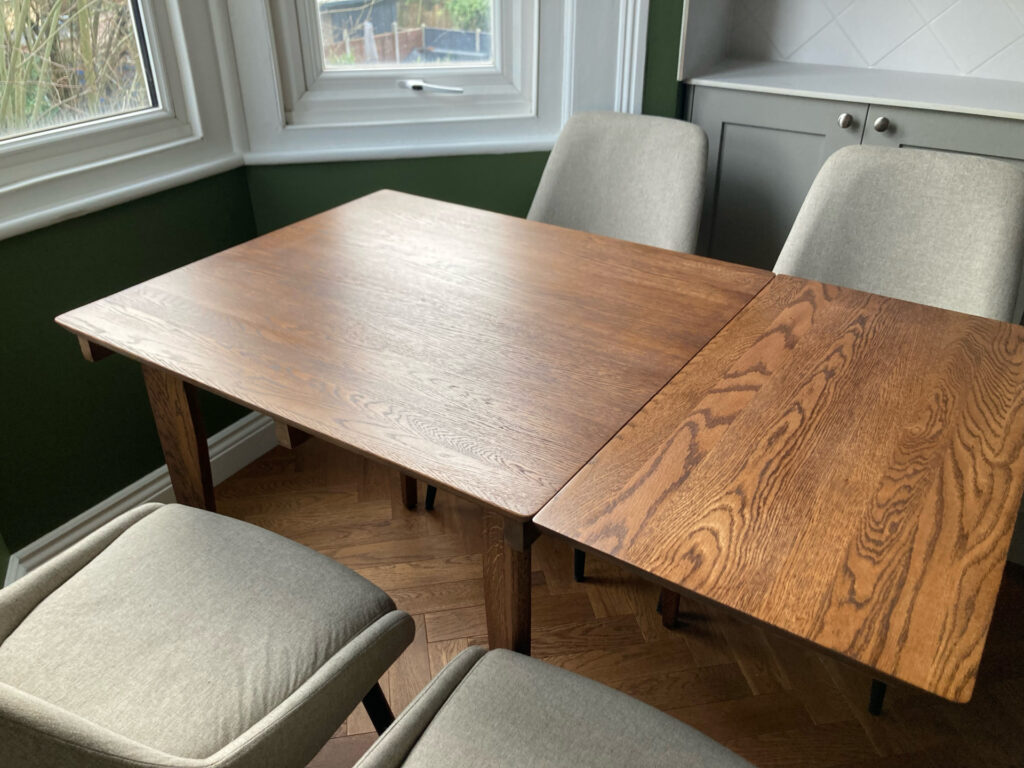
A customer in Manchester ordered a compact oak table for a bay window breakfast spot. They said it has made that corner of the room their favourite place to sit and eat.

Another customer in South London runs a family owned café and needed sturdy tables that would fit inside an awkward alcove and withstand daily wear. They wrote in their review that the tables arrived on time, fitted perfectly and still look great six months later.

Summary table of pros and cons

Pros

Cons

Built to fit your space exactly

Higher initial cost

Long lifespan with refinishing options

Takes time to receive

Uses solid oak and reliable joinery

Not returnable once built

Designed for daily use

Requires decisions on size and style

Adds character and visual appeal

Clear communication needed for bespoke designs

Is custom furniture worth it for most people in 2025?

If you value quality over speed and want something that lasts for decades, then yes. Custom furniture is a smart choice for people who are thoughtful about how they use their space and want a table that works better and looks better than anything from a catalogue.

Buying from a local workshop like Tablemaker means you know who made your table and can trust the materials and method. That personal connection and practical benefit are what make custom tables worth the wait.

Need a Custom Size for Your Space?

Send us your ideas and we’ll help make it real.

Check our commercial range

Tablemaker

55 High St, London N8 7QB

02083416334

HVQM+58 London


Posted on

Book a Customisation Consultation with Tablemaker: Create Your Perfect Table

Book consultation

Book a Customisation Consultation with Tablemaker: Create Your Perfect Table

Why Should You Book a Customisation Consultation with Tablemaker?

Booking a customisation consultation with Tablemaker helps you design a made to measure table or table top that fits your space, use and style. Whether you need something for your home, a hospitality space or a shared work area, the consultation gives you practical advice so your table will look good and last for years. Each table is made in North London using solid oak of premium grade. The result is a personal service that gives you something dependable, good looking and long lasting.

About Tablemaker: Hand Built Tables in North London

Tablemaker is a small two person workshop based in Hornsey. It is run by Oliver and Harley, both with formal carpentry training and years of hands on experience. They focus on building solid oak tables and table tops with clean designs that fit well in modern homes. Many styles lean towards Scandinavian or industrial, but customers are welcome to suggest their own ideas. Every item is made from scratch and nothing is mass produced.

What Can You Customise with Tablemaker?

Dimensions and Sizing

Size is one of the main reasons people go bespoke. Tables can be built to suit exact lengths, widths and heights. This helps especially in London flats or older homes where space is tight or awkward. The team will help you choose a proportion that works well and is practical for daily use.

Styles and Legs

There is a short selection of standard styles, but many customers ask for tweaks or send in reference images. You can also choose leg options to suit your interior or base setup. Some people even provide their own bases and just order a top.

Materials and Finishes

All tables use prime solid oak which is stronger and more attractive than lower grade or reclaimed timber. The oak can be finished in several tones using hardwax oil. This finish protects the surface while keeping the wood looking and feeling natural. It also allows easy maintenance or re-oiling later.

Pro Tip: Solid oak darkens slightly over time. If you’re choosing a lighter tone, request a sample and leave it in natural daylight for a few days to see how it will age.

Pro Tip: If you’re unsure about table dimensions, use painter’s tape to mark the footprint on your floor. This makes it easier to visualise the size in your space before ordering.

Who Should Book a Custom Consultation?

Are You Looking for a Table That Fits Your Space?

A custom table lets you make the most of your room and suits how you live. You might want a long dining table for a restaurant, or a narrower desk that fits a small office room. A consultation gives you advice on style, function and layout that works for you.

Are You a Business Owner Furnishing a Café, Restaurant or Bar?

Hospitality venues need furniture that looks good and works hard. Tablemaker builds tables that stand up to regular use and reflect your venue’s character. Whether you need matching tops in custom sizes or one feature table for a small dining room, this is a practical way to get what you need without compromising on quality.

Do You Work in Interior Design or on Trade Projects?

Design professionals often need custom items that fit a brief. Tablemaker is used to working from drawings, sample boards and mood references. Sample finishes can be sent out to help your clients decide. Lead times are clear and reliable, which helps you stay on schedule.

What Happens During the Consultation Process?

Step One: Enquiry and Ideas

It starts with a conversation. You can send an email through the website or message on Instagram. Share what you need, including any reference pictures, rough measurements or drawings. The more details you give, the better advice you’ll get.

Step Two: Quote and Design Details

Once the team knows what you need, they’ll provide a quote along with a description of what the table will look like, what it will be made from and how long it will take. You can also request samples before committing to anything.

Step Three: Build and Delivery

After you give the go ahead, the build starts. Every table is made in the Hornsey workshop using joinery that gives strength and long service. Items are shipped flat packed but use strong, traditional fixings that make them feel solid once assembled. Delivery is available across mainland UK.

Design Your Table With Expert Help

Get one-to-one advice on sizes, finishes, and styles. Book your custom consultation today and start planning a table that fits your business.

Request a Quote

What Should You Do Before Your Consultation?

Get Your Measurements

It helps to measure your space before getting in touch. Note any height limits or access issues. If your room is narrow or shared with other furniture, sketch a quick plan to show layout.

Think About How You’ll Use the Table

Will it be used daily or occasionally? Will it need to seat more people at certain times? Do you want it to match something existing? Knowing the answers to these helps steer the design.

Collect Reference Images

Photos of what you like help show your taste clearly. These can be online images or photos of spaces you admire. They are a helpful way to start a conversation.

What Makes Tablemaker a Solid Choice?

Why Use Prime Grade Oak?

Lower quality timbers are often used by online sellers because they are cheap and easy to work with. Tablemaker uses only solid oak with minimal knots and consistent grain. It is harder wearing, looks better and lasts longer.

Are the Designs a Good Fit for Modern Interiors?

Yes. The look is clean and simple, often with soft rounded edges and natural finishes. These designs work well in many UK homes. They also pair well with popular interior styles like minimal, Scandi, natural and industrial.

Is Solid Wood Better Than Veneer?

In short, yes. Veneered tables are thinly surfaced and prone to damage over time. Solid wood allows sanding and repair. It also looks and feels more genuine. If you want something that stays with you for years, solid oak is a smart choice.

What Tablemaker Does Not Offer

Tablemaker focuses on a clear promise: make something well and do it properly. They do not use pine, MDF or reclaimed boards. They do not import mass made items or use fake joinery. If you are looking for something quick and cheap, this probably isn’t the right service.

Should You Order Online or Go Fully Custom?

Quick Options on the Website

Some standard styles and sizes are available for direct order. These use the same materials and care as custom orders. They suit customers who want quality but are happy with an existing design.

When Custom Makes More Sense

If your space is tricky, your style is specific or you already have a design in mind, the custom route is better. It lets you get exactly what you need and ensures everything from size to finish fits your vision.

Customer Comments and Feedback

Reviews on Google mention the friendly service, quality of the wood and how well the tables are made. Customers include families, business owners and landlords. Some return to order more pieces. Others send friends or contacts who want a similar experience.

Should You Consider a Table Top Instead of a Full Table?

If You Already Have Legs or a Base

Buying just the top is a simple way to upgrade what you already have. You can match an existing metal or timber frame and keep your costs down.

If You Are Working to a Budget

A custom top costs less than a full table and still gives you the same oak and finish quality. This option gives you flexibility and good value.

Common Questions Answered

How Long Does It Take?

Most jobs take between four and eight weeks. You will get an estimate based on your design and place in the queue.

Can You Pick the Colour?

Yes. You can choose from light to dark tones. Samples are available to help you decide.

Where Do You Deliver?

Deliveries are made throughout mainland UK. If you live in London, it is usually easier to arrange dates.

Can I Just Get a Top?

Yes. If you have your own base, you can order a solid oak top to size. Just let the team know what fixings you plan to use.

Why Are Tablemaker Tables Different?

Each table is made one at a time using strong materials and proper joinery. Nothing is bought in and nothing is done by machine only. It’s a simple way to ensure good quality.

Ready to Start Your Table?

If you want something that suits your business, and you value good woodwork done by people who care, then Tablemaker is worth speaking to.

How to Book

Go to www.tablemaker.co.uk/contact and send your message. Or look at finished tables and project examples on Instagram at @tablemaker_shop.

You can also read practical advice on choosing the right size at this guide, or learn how to care for your table over time at this page.

If you are ready to book, just send your idea and your questions. The team will get back to you with help and options.

Need Just a Table Top?

Already have table legs or a base? Order a made to measure solid oak top that matches your space perfectly.

View Shop

Tablemaker

55 High St, London N8 7QB

02083416334

HVQM+58 London


Posted on

Request a Quote for a Trade Table Order

Request a quote for trade tables in London, UK Tablemaker

Request a Quote for a Trade Table Order

How Do I Request a Quote for a Trade Table Order from Tablemaker?

Requesting a trade table quote from Tablemaker is straightforward and tailored to your business needs. Whether you’re furnishing a café, outfitting a co-working space or sourcing commercial desks for a corporate setting, Tablemaker provides made to measure hardwood tables with custom options, fast turnaround and dependable service. All trade table quotes begin with your specifications and are handled by our experienced UK based team from start to finish.

Introduction to Tablemaker’s Bespoke Trade Tables

Tablemaker is a UK furniture maker specialising in high quality solid wood tables designed to order. Our custom trade tables are crafted in our North London workshop using sustainably sourced oak, beech, walnut and pine. Every table is built to the size and finish that suits your space, making them ideal for commercial interiors and professional environments where durability, aesthetic appeal and longevity are essential.

Benefits of Ordering Trade Tables from Tablemaker

Built in the UK Using Real Hardwood

Our tables are built exclusively from solid wood. We do not use MDF, veneers or chipboard. Oak remains the most popular choice for its strength, character and ease of maintenance, especially in places with high foot traffic such as restaurants and coworking spaces.

Custom Sizes with Rapid Turnaround

Each table is cut to the exact measurements you provide. We work in precise centimetre increments, which means we can accommodate awkward spaces or unique layouts without compromise. Most orders are ready for delivery in two to four weeks, helping businesses meet refurbishment or launch schedules.

Designed for Real World Business Use

We apply durable finishes such as hardwax oil, which protects the wood while allowing its natural grain to show through. Our tables feature thick hardwood tops and solid joinery for long lasting performance in demanding environments.

Pro Tip: Always measure your space carefully and allow extra room for movement and chair clearance. For most dining or work layouts, 50 centimetres per seat is ideal.

Pro Tip: When ordering multiple tables for a commercial space, request a sample pack to preview wood tones and finishes under your own lighting before finalising choices.

Who Can Request a Trade Table Quote?

We support a wide range of commercial and trade clients throughout the UK. Here are some examples:

Hospitality and Food Service

From independent cafés to national restaurant groups, many hospitality businesses rely on us for tables that look professional and stand up to constant use. Our dining tables, benches and counter surfaces are built with hospitality grade finishes for easy cleaning and resistance to staining.

Retail and Showrooms

We create solid wood consultation desks, feature tables and merchandising displays for retail stores that want a consistent look and feel. Every piece is made to support daily use while matching the tone of your brand or visual merchandising strategy.

Offices and Co Working Environments

We regularly build sit stand desks, meeting tables and communal work surfaces for corporate offices and flexible workspaces. We also supply solid oak desk tops that can be paired with adjustable frames or bespoke bases.

Architects and Interior Designers

We often collaborate with design professionals who need something specific for a fit out or refurbishment. Whether you have CAD drawings, sketches or just reference photos, we can interpret your brief and advise on construction, finishes and longevity.

Fit Your Space with Solid Wood Confidence

Tell us what you need and we’ll build a table to match it exactly — no compromises.

Request a Quote

What Sets Tablemaker Apart for Trade Orders?

Precision Measurements for Bespoke Fit

We manufacture in exact dimensions, working in one centimetre increments. That means whether you need to fit a row of tables into a narrow layout or maximise space in a corner unit, we can build what you need to the millimetre.

Full Choice of Solid Hardwood Materials

We work with solid oak, beech, walnut and pine. These hardwoods are selected for their reliability, tactile feel and appearance. If you are unsure which finish will work best, we offer sample packs so you can compare options directly in your space.

Built to Withstand Everyday Commercial Use

We build using time tested joinery techniques that ensure strength and stability. From reinforced leg joints to durable protective finishes, everything is done in our workshop by trained furniture makers. You get tables that not only look right, but work well for the long term.

What Custom Options Can I Choose for Trade Tables?

Trade customers can choose from a wide range of custom features to match both function and style. We offer flexibility across every aspect of the build:

Dimensions and Layout

You can specify the length, width and height in one centimetre increments. This is particularly useful for banquette seating, compact office rooms or modular layouts in restaurants and cafes.

Materials and Timber Selection

Choose between solid oak, beech, walnut and pine. Each has its own grain pattern, tone and surface hardness. Oak is often selected for its balance of strength and visual warmth, while walnut delivers a darker, more refined finish.

Edges, Corners and Tabletop Profiles

We can round corners, ease edges and offer thicker tabletop profiles if needed. These adjustments make tables more accessible and safer in busy or high contact areas.

Functional Adjustments

We often create cutouts for cable management, inset bases for wheelchair access and specific clearances for integrated technology. Just mention what you need when sending your request.

What Are Common Use Cases for Trade Tables?

Our trade customers use tables across many sectors. Here are some typical applications:

Dining Tables for Commercial Settings

Whether for bistro style venues, shared bench seating or formal dining, our tables bring solid performance with a polished appearance. They are easy to wipe down and can handle constant daily use.

Desks for Workspaces

From home offices to collaborative coworking setups, we build desks that support productive working. We can adjust the dimensions to suit the equipment being used or the ergonomics of the people using them.

Shop Fittings and Retail Displays

We produce strong flat surfaces for product display, checkout counters and fitting room stations. Designs can be matched across your layout to keep things consistent.

Coffee Shops and Cafés

Smaller tables or wall mounted options are popular in these spaces. We can build round or square top tables for limited floorplans or tighter seating arrangements.

Internal link: For inspiration on previous trade builds, visit our Tables for Business Use section.

How Do I Request a Quote for a Custom Trade Table?

Getting a quote is quick and personal. Here is what to prepare and expect:

Step One: Gather Details

Think about how many tables you need, your preferred sizes, materials and finish types. A simple sketch or photo helps us understand your vision.

Step Two: Send Us Your Enquiry

Use our online contact form or send us an email. Be sure to include key dimensions and any must-have features.

Step Three: Receive Personalised Advice and Pricing

We will reply with a clear price estimate and let you know current lead times. If we think your project could benefit from adjustments or improvements, we will explain your options.

Once you are happy with the details, we begin production here in our London workshop.

What Happens After You Submit a Trade Table Quote Request?

Once we receive your quote request, we review your details carefully and follow up with any questions that might help clarify the design or specifications. If you’ve included sketches or measurements, these help us quickly assess the project scope.

We provide a clear, no obligation quote based on the materials, quantity and finishing options you’ve requested. Our team may offer suggestions to improve function or reduce cost without compromising quality. If needed, we can also send material samples so you can make decisions with full confidence.

We include lead time estimates and delivery options upfront. You’ll always know what to expect from day one.

How Long Does Delivery Take and Where Do You Ship?

Most trade table orders are completed within two to four weeks. This lead time can vary slightly depending on the complexity of the build or the size of your order. Because everything is made in house at our London workshop, we maintain control of scheduling and quality.

We deliver throughout mainland UK using trusted couriers and local partners. For larger trade orders, we can arrange consolidated shipments or split deliveries to suit your project timeline. You can also collect from our London workshop by appointment if that suits you better.

Each piece is packed securely using protective but minimal packaging to help reduce waste.

Do You Offer Trade Pricing?

Yes, we offer competitive pricing for commercial orders. Discounts are available for larger quantities, depending on the design and materials chosen.

Our pricing is honest and straightforward, with no hidden fees. Because we build everything to last, your business benefits from longer service life and lower maintenance costs. Tables made from solid hardwood can also be refinished or repurposed in future, adding further long term value.

For more information or to request a quote, please visit our Trade Tables page or contact us directly.

How Can I Get in Touch About a Trade Table Order?

You can start your enquiry using the online contact form or by emailing us directly. If you have a drawing, photo or specific measurements, include those details to help us give an accurate quote.

We also welcome visits to our North London workshop, by appointment. You’ll be able to see materials in person, view past builds and talk through your project with a member of our team.

To begin your trade order quote today, visit our Trade Tables page.

Additional Frequently Asked Questions

Can I get volume pricing for a multi-site rollout? Yes, we can provide volume-based pricing for multi-site retail or hospitality projects. Please include estimated quantities and site details in your enquiry.

What finishes are recommended for café or restaurant tables? Hardwax oil is our standard finish for high traffic use. It provides water resistance and is food safe, making it a reliable choice for café and dining tables.

Can you match a finish to existing furniture? In many cases, yes. If you send us a sample or reference photo, we can advise on how close we can get and provide test finishes where necessary.

Is there a minimum order quantity for trade pricing? There is no strict minimum, but trade pricing typically applies to orders of three or more identical items. Customisation levels and timber type can also affect unit cost.

Ready for Trade Pricing and Fast Delivery?

Our North London team can turn your quote around quickly and build to spec.

Check our commercial range

Tablemaker

55 High St, London N8 7QB

02083416334

HVQM+58 London


Posted on

The Best Pub Tables for Commercial Interiors in the UK

Pub tables

Best Pub Tables for Commercial Interiors in the UK

What are the best pub tables for commercial interiors in the UK and how do you choose the right one?

The best pub tables for commercial interiors in the UK combine strong materials, fire safety compliance, practical design and style that fits your venue. These tables do more than hold drinks or meals. They affect how your space feels and how easily customers move around. Choosing the right pub tables means thinking about durability, layout, comfort, safety and how each piece fits your venue’s character.

Why Pub Tables Matter in Hospitality Spaces

Pub tables do a lot of heavy lifting in pubs, bars and commercial venues. They need to stand up to daily use, support your seating layout, and still look the part. They’re part of how a space flows and how your guests experience it. People notice when the furniture is comfortable and solid, and they remember when it isn’t.

In commercial interiors, looks matter, but so does long-term performance. UK venues also have to follow safety standards, like Crib 5 fire compliance for any upholstered parts. Getting the right pub table helps your staff work better, your space feel more inviting, and your business run more smoothly.

What Makes a Pub Table Work Well in a Commercial Setting?

Built to Last

Commercial furniture needs to be much tougher than household pieces. Pub tables made with solid hardwood like oak or ash, or strong metal frames with powder coating or laminate tops, are a smart choice. Tables with reinforced joints, non slip feet and a proper weight balance will last longer and stay stable, even with heavy use.

Practical for Comfort and Access

You want customers to feel at ease. That means getting the right table height, matching it properly with stools or chairs, and allowing enough space around for people to move. Footrests, stable crossbars, and even small design touches like rounded corners all help make things more comfortable. It’s also worth checking that your layout meets accessibility standards, with enough room for wheelchair access and ease of movement.

Safe and Certified for Use

In the UK, any seating or soft furnishings used in public venues should meet Crib 5 fire safety standards. That applies to bar stools with padded seats or chairs around your pub tables. Tables themselves need to meet BS EN structural safety guidelines, especially if they’re freestanding or used outdoors.

Different Pub Table Styles That Suit UK Venues

Classic Pubs and Traditional Settings

If your venue leans into a more classic look, pedestal pub tables with solid wood tops and turned legs work well. These pair nicely with traditional chairs and create a warm, familiar feel. Oak or walnut finishes are common in this style and tend to age gracefully.

Industrial Looks for Modern Pubs

Many modern pubs, especially in cities, go for an industrial look with a mix of raw timber and metal. Tables in this style often use reclaimed wood, matte black steel, and open frame designs. They give your space a relaxed but confident style, ideal for craft beer venues, taprooms or updated high street pubs.

Poseur and Bar Height Options

Poseur tables are taller and pair with bar stools, making them useful in areas where people are standing or moving around more. They’re popular in bars, near windows or in corners. At about 105cm tall, they work best with 75 to 80cm seat height stools. These are also good for smaller venues where space is tight.

Tables for Groups and Flexible Layouts

If your venue serves food or hosts larger groups, you’ll benefit from tables that can be rearranged. Modular pub tables or longer communal styles allow flexibility. Folding bases, clip on extensions or lightweight frames make setup easier for staff. This is especially handy for venues that host functions or events.

Outdoor Tables for Beer Gardens

UK weather can be a bit unpredictable, so outdoor pub tables need to handle rain, UV and temperature shifts. Good options include powder coated steel frames, treated timber, synthetic wood or aluminium tops. Look for finishes that are easy to clean and drainage holes that help after rain. Matching your indoor and outdoor furniture creates a more consistent feel across your space.

Pro Tip: When choosing pub furniture, ask suppliers if their materials are FSC certified and Crib 5 compliant to meet safety regulations and sustainability goals.

Pro Tip: Use a combination of poseur tables and standard-height options to increase turnover while maintaining seating flexibility during busy hours.

What materials are best for pub tables in commercial interiors?

Choosing the right material plays a big part in how long your pub tables will last and how well they hold up in busy venues. Solid hardwoods like ash, oak and beech are common choices for tops, while cast iron or powder coated steel are popular for bases. These combinations give stability and keep tables upright even when they are moved around often.

For venues that serve food and drink throughout the day, tables with laminate or veneer finishes offer moderate surface protection and are easy to clean. Veneer gives a natural look while reducing cost, and laminate resists scratches and stains. Some operators also opt for compact laminate or resin tops for extra resistance in busy spaces. Tablemaker prefers solid wood as it tends to last longer.

Outdoor tables require materials that are water resistant and UV stable. Aluminium frames with synthetic wood or teak tops work well. Look for commercial grade materials tested for use in outdoor environments.

Sustainability is also a growing concern for UK pub owners. FSC certified wood, low emission glues and finishes, and recyclable materials are now widely available. Choosing these shows your business is thinking long term, and many customers value that.

How do you plan pub table layout planning in commercial interiors?

Planning your layout starts with the size of your venue and how people use the space. Most pub tables come in sizes that seat two, four or six guests, but the layout should support flow as well as seating capacity. Allowing a minimum of 60cm per person at a table keeps people comfortable. Between tables, aim for at least 90cm clearance so customers and staff can move freely.

It also helps to zone your space. High traffic areas near the bar or entrances work well with poseur tables or smaller round options. Dining areas benefit from standard height square or rectangular tables, especially with fixed banquette seating. Corners and window spaces can be more relaxed with coffee tables and low seats.

Flexible layouts are a smart choice for venues with changing customer numbers or event bookings. Using a mix of fixed and freestanding furniture means you can adapt the space while maintaining a clear path for service and customer movement. If you’re fitting out a new pub or reworking a space, it’s worth speaking to a commercial interior planner or using a layout tool.

Interior trends in UK hospitality furniture

UK hospitality interiors are shifting towards more textured finishes, mixed materials and personal touches. Many pubs are blending modern with heritage to create spaces that feel lived in but updated. Reclaimed wood and exposed grain are often used alongside deep colour palettes and soft lighting.

There’s also a trend toward minimal but warm design. Matte black steel, plywood, and open grain woods are combined to create clean lines without looking too formal. Upholstered bench seating is popular for dining zones, especially when matched with compact square tables in a wood or laminate finish.

Branding has become part of the furniture too. Many venues choose table designs that can be customised with logos or matching colour accents to bring their identity into the physical space. This attention to detail helps customers remember the space, and it also photographs well for social media and online reviews.

Free Venue Furniture Consultation

Let our experts help you choose the right layout, size, and style.

Request a Quote

Which pub tables are most popular in the UK right now?

Some of the most popular commercial pub tables in UK commercial settings right now include compact square tops for four people, round pedestal tables for informal seating areas, and taller poseur tables for standing or quick-drink zones. These designs offer flexibility without taking up too much space.

Tables made from character oak or reclaimed pine continue to be strong favourites for traditional and rustic pubs. In more modern spaces, black powder coated bases paired with composite or laminated tops are common choices. These materials are easier to maintain and pair well with bar stools that use metal and faux leather.

Venues that serve mixed functions are leaning towards modular pub tables that can be moved easily but still feel solid once in place. These come with clip-in fixtures or folding legs and work well in event spaces or where tables are regularly repositioned.

To explore more options and see examples of tables that are currently in demand, it’s worth browsing Tablemaker’s bespoke pub furniture collection, which includes custom sizing and finish options.

Can pub tables be customised to match a venue’s brand?

Yes, and this is something more businesses are asking for. Bespoke pub furniture helps tie the whole space together visually. Tablemaker offers options like colour matching, etched logos on wood or metal, and matching table bases and stools. These details add a professional finish to the venue and can reinforce your brand identity.

Customisation can also include size adjustments, different edge profiles, and choice of surface textures to match your theme. For example, a sports bar might go for durable laminate tops with bold colour accents, while a country inn could choose waxed oak with turned legs and paired benches.

This flexibility means you can get exactly what your space needs without compromising on looks or function. Coordinated table and chair sets also simplify ordering and improve consistency throughout the venue.

How can pub furniture choices support sustainability?

Choosing sustainable pub furniture helps reduce waste, support responsible forestry, and meet increasing customer expectations for greener businesses. Look for materials with FSC certification, which guarantees the timber comes from well-managed forests. This includes solid oak, ash and beech.

Metal bases that can be fully recycled or are made from recycled content also make a difference. Low emission finishes, water based lacquers, and VOC compliant adhesives help improve indoor air quality.

Some manufacturers, like Tablemaker, offer reclaimed wood options or use offcuts to reduce waste. Durability itself is part of sustainability. Choosing high quality tables that last years instead of months reduces landfill waste and supports a more responsible model for furnishing commercial venues.

How much should you budget for commercial pub tables?

Budgets vary based on materials, finishes, and whether tables are custom made or ordered in volume. A quality commercial pub table might start from around £90 to £140 for standard sizes in laminate or veneer. For solid oak, reclaimed timber or powder coated metal frames, expect prices between £150 and £250 depending on size and finish.

Custom features like laser etched branding, special finishes or bespoke sizes will increase the cost, but they often bring greater visual impact and better customer retention over time. Buying in volume usually lowers the price per unit and some suppliers offer discounts for larger orders or repeat business.

Consider the value of investing in quality. Cheaper furniture often needs replacing more frequently, increasing costs long term. By choosing well built commercial pub tables that perform and last, you support your budget and customer satisfaction at the same time.

Real venues using Tablemaker pub table layout planning

Tablemaker has supplied pub tables to a wide range of venues across the UK, from traditional freehouses to city centre craft bars and gastro pubs. One example includes a modern bar in Manchester that opted for compact square laminate tables paired with matching stools to maximise space and turnover. The venue saw improved customer flow and more return visits due to better comfort and layout.

In Oxfordshire, a rural pub with a large garden selected weather resistant aluminium frame tables with reclaimed timber tops. They blended the look of the indoor space with outdoor zones and reported easier cleaning and faster service.

Each project included pub table layout planning support and table recommendations based on the venue’s goals and traffic patterns. Tablemaker’s team worked closely with the designers and managers to ensure the furniture matched the look and worked with the layout.

What regulations apply to Crib 5 certified seating in the UK?

UK regulations focus on health and safety, accessibility, and fire standards. Upholstered seating must meet Crib 5 certified seating requirements. Tables and chairs in commercial environments must also comply with BS EN 15372 and BS EN 16139 standards, which cover strength, durability and stability.

If your venue is licensed, check local council guidance on spacing for fire exits and access routes. Tables should not block escape routes and must allow sufficient clearance for movement. The Equality Act 2010 also requires inclusive layout design, so ensure tables and seating work for wheelchair users.

Anti tip features and secure weight balance help prevent accidents in busy areas. If you are sourcing furniture for a fit out or refurbishment, always check with a commercial furniture supplier who understands UK compliance.

Where can you buy bespoke pub furniture from Tablemaker?

Tablemaker offers direct sales through its website and supports clients through its design consultation team. Whether you are furnishing one venue or updating a chain of pubs, you can explore their latest bespoke pub furniture ranges online or arrange to see samples in person.

To view the full commercial furniture collection, including poseur tables, fixed seating and coordinated bar stools, visit the Tablemaker catalogue or contact their sales team. Bespoke options and bulk pricing are available for businesses needing a tailored setup.

Explore Our Bestselling Pub Table Range

See why UK pubs trust Tablemaker’s quality and design consistency.

Check our commercial range

Tablemaker

55 High St, London N8 7QB

02083416334

HVQM+58 London


Posted on

Custom Furniture Solutions for Interior Designers and Architects

Featured image

Custom Furniture Solutions for Interior Designers and Architects

Do you make furniture for interior designers or architects?

Yes, Tablemaker designs and builds bespoke tables for interior designers and architects. Our approach is responsive and detail-focused, with each piece made to match the layout, mood, and functional needs of professional spaces. We work directly with creative teams, ensuring each table integrates smoothly into interior concepts, complements architectural detailing, and is built for everyday use. Based in London, we serve high-end residential, commercial, and hospitality clients in Mayfair, Chelsea, Knightsbridge, Belgravia, and surrounding postcodes.

Sustainability and Modern Craftsmanship

We take responsibility for our environmental impact. That starts with using FSC-certified or reclaimed wood, and choosing low-VOC finishes that are better for homes and the environment. We aim to reduce waste and only use recyclable or reusable packaging.

Our process goes beyond materials. We assess energy use, transport, and offcut reduction across our production. It matters to us that our work looks good, lasts well, and aligns with the values of our clients.

Our team includes experienced joiners, technical designers, and finishers. From CNC cutting to final hand-finished oiling or lacquering, we combine traditional accuracy with modern techniques. Whether you need a feature table for a Mayfair residence or a hard-wearing centrepiece for a Chelsea design showroom, we’ll deliver a solution that suits the setting and the specification.

Materials, Methods, and Innovation

We offer oak, ash, walnut, glass, composite stone, powder coated steel, and more. Every material is selected for suitability, aesthetic tone, and longevity. Joinery options include mitred corners, exposed dowels, and concealed fixings. The result is a table that performs well and fits your scheme, down to the finish and grain direction.

We support digital design processes with 3D assets, CAD blocks, and files for Revit, AutoCAD, and SketchUp. This makes it easier for your design to move from concept to installation.

Optional features include inset power modules, wireless charging, and cable routing. Our tables work hard in offices, boardrooms, and residential settings alike, supporting the balance of style and purpose.

What Our Partners Say

Design professionals regularly say our work blends effortlessly into their interiors. They appreciate how we ask the right questions, share samples early, and give accurate feedback throughout the process.

“The client loved it from day one. From CAD to delivery, everything went smoothly.” – Interior Designer, Mayfair

“We had a very clear concept with tight constraints. Tablemaker handled it with clarity and calmness.” – Architect, Knightsbridge

We’re happy to share relevant case studies. If you’re working on a new project in Chelsea, Belgravia, or across West London, get in touch with us.

Pro Tip: Request 3D files and CAD blocks to simplify design integration.
If you’re working in Revit, AutoCAD or SketchUp, ask for compatible assets. This helps you accurately visualise how the table interacts with joinery, circulation paths, and other interior elements.

Pro Tip: Share detailed floor plans and finish preferences early in the process.
The more context you provide up front — such as room dimensions, moodboards, and material swatches — the easier it is to ensure your table fits the space perfectly and arrives on time.

Our Process

To keep things straightforward and productive, we follow a four-stage approach:

1. Consultation

We listen to your project goals, timings, budget range, and stylistic requirements. We’ll ask the right questions and can visit you or work via call.

2. Design and Specification

We share finish samples, visual references, and technical drawings. CAD and 3D files are available to support planning. Moodboards and rendered visuals can be reviewed together if needed.

3. Production

Once signed off, we move into manufacture. Every table is made to order with full quality control. We’ll keep you updated throughout.

4. Delivery and Installation

Delivery across central London is included. We can liaise with your contractors or arrange installation if required. We package with care and discretion to suit residential and commercial premises.

Working with Interior Designers and Architects

We provide:

  • Samples and visuals for presentations

  • Fast response times and direct communication

  • Secure NDAs for exclusive commissions

  • Support for bespoke finishes and shapes

  • Smart features for workspaces and high-traffic areas

We also offer preferred partner arrangements for ongoing collaborations.


Get a Quote for Your Project

Whether you're an interior designer or architect, we can help bring your concept to life with precision-made tables.

Request a Quote

Answers to Common Questions About Our Custom Furniture

What custom options are available? We offer custom shapes, sizes, materials, and finishes. Whether fitted to an alcove or as a stand-out piece, we’ll help you get the details right.

Do you offer trade pricing and NDAs? Yes. We work closely with design professionals and can support trade accounts and confidential manufacturing.

Can I see samples before committing? Absolutely. We supply physical finish samples and digital textures for 3D design.

What is your typical lead time? Most projects take six to ten weeks from approval to delivery.

Do you deliver in London? Yes. We deliver across central London including Mayfair, Chelsea, Knightsbridge, and Belgravia. Timed delivery or white-glove service is available.

Why London’s Interior Designers and Architects Choose Tablemaker

Interior designers and architects in London trust Tablemaker because we take care of the details without taking over the vision. Whether you’re specifying for a private residence, a workspace, or a hospitality venue, we provide bespoke tables that are right for the room and ready when promised. If you need reliable, beautiful, and smart custom furniture, we’re here to help. You can view examples of past projects on our portfolio page.

Explore Our Trade Services

Learn how we work with professionals across the UK to deliver consistent, high-quality furniture solutions.

View Shop

Tablemaker

55 High St, London N8 7QB

02083416334

HVQM+58 London
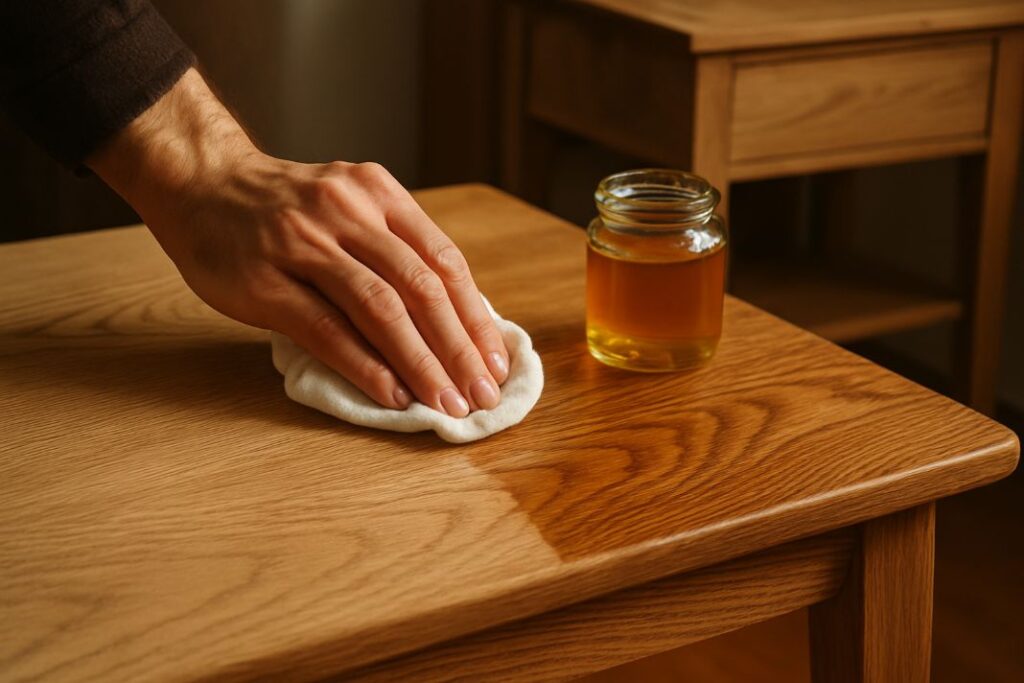
 

Posted on

Where To Buy Commercial Furniture in London: Complete Guide for Businesses

Commercial furniture blog

Where to Buy Commercial Furniture in London: A Complete Guide for Businesses

Where can you buy commercial furniture in London?

Commercial furniture can be sourced across London from a wide range of specialist suppliers that serve businesses in hospitality, education, retail and office sectors. The best choices combine durability with thoughtful design and local expertise. A trusted option is Tablemaker, a London-based manufacturer known for practical and visually appealing commercial furniture built for real daily use.

Why does commercial furniture matter in business spaces?

Commercial furniture shapes how people interact with a space. Whether it is a client waiting area, a café dining setup or a small workspace, well-chosen furniture supports daily activity, creates comfort and reflects a business’s values. Well-fitted and properly selected commercial furniture helps improve user experience while reducing maintenance and replacement costs over time.

Planning What You Need

Match furniture to your business type

Office furniture needs include well-proportioned desks and tables designed for everyday comfort. For hospitality, seating and tables must be easy to clean, scratch resistant and able to withstand frequent movement. Education environments benefit from stackable chairs, modular tables and furniture with anti-microbial surfaces. For customer-facing businesses like cafés and bars, bespoke commercial furniture helps optimise space and customer flow.

Choose materials with long-term performance

Tablemaker uses only solid hardwoods — primarily solid oak, beech, walnut and pine — with no MDF or chipboard. This means the tables can be sanded and refinished over time, offering much greater longevity. The furniture is protected using hardwax oil, which enhances the wood’s natural texture while providing resistance against spills and wear.

What features make commercial furniture a good fit?

Is it comfortable for extended use?

Tablemaker’s desks and tabletops can be customised with options like eased front edges and cable notches to make everyday work smoother. Every piece is made to your required dimensions, which helps ensure ergonomic comfort without the need for complex adjustments.

Does it support your brand image?

Furniture design and materials reflect your business identity. Using FSC-certified wood with clear, smooth finishes suggests sustainability and thoughtful design. Customisation options allow for clean edges, minimalist Scandinavian lines or subtle industrial styling.

How does it adapt to your space?

Space efficiency is central to Tablemaker’s offering. Tables and tops are built to the exact size you need, with the ability to include unique modifications like corner shaping, cut-outs or rounded ends. Over 20 customisation options are available, including dimensions, leg placement and edge detail.

Where to buy in London

Tablemaker: Commercial Furniture Made in London

Tablemaker manufactures commercial furniture at their workshop in Hornsey, North London. Their work includes made-to-order café tables, desks and bespoke commercial furniture designed for high-traffic settings. All products are made in-house from prime-grade hardwood and typically delivered within two to four weeks. Every item is flat-packed for convenience but constructed using traditional joinery techniques for lasting strength.

Pro Tip: Always confirm Crib 5 compliance for any upholstered items being placed in public or staff-access areas. This ensures you meet UK fire safety legislation without surprises during inspections.

Pro Tip: Before ordering, request swatches of both finishes and fabrics. Comparing them in your actual lighting conditions prevents mismatched tones and saves money on returns or redesigns.

Why do businesses choose Tablemaker?

Built in London with reliable lead times

Everything is produced in-house by a two-person team. Orders are generally completed in two to four weeks, offering speed and personal service.

Premium materials only

All products are made from FSC-certified wood, never veneer, chipboard or low-cost alternatives. This ensures strength, durability and the ability to refinish over time.

Personal support from start to finish

Whether you need a round café table or a custom desk top with cable cut-outs, the process is simple. You can share your measurements or sketches, and the Tablemaker team will confirm details and provide honest advice. Sample packs are also available to help with decision-making.

What should you consider before buying commercial furniture?

Order solid wood samples

Samples of wood and finish types can be ordered directly to help with planning. This ensures your chosen design fits with your interior and expectations.

Check safety and material standards

While Tablemaker does not produce upholstered items, all wood used is FSC-certified and sourced responsibly. Their joinery methods support long-lasting, stable construction.

Plan for production timelines

Custom tables and tops are built in two to four weeks. Every order is delivered flat pack with instructions and fittings for straightforward assembly.

Making a smart investment for your business

When you buy bespoke commercial furniture, you get a fit-for-purpose product designed to last. Tablemaker offers simple ordering, fast turnaround, and the reassurance that your table is made by people who care about what they build. If you want furniture that fits your space properly and works hard for your business, they are an excellent choice.

You can explore their commercial and trade offerings by visiting the Tablemaker website and browsing the custom tables section.

Speak With a Furniture Specialist

Have questions about office layouts, materials or lead times? Our London team is here to help with honest advice.

Request a Quote

Frequently Asked Questions

What defines commercial-grade furniture?
Commercial furniture is built using long-lasting materials and joinery methods. It is suited for regular use in public spaces like cafés, offices and retail settings.

What features are important in business furniture?
Solid materials, proper sizing, protective finishes and efficient use of space are all essential. You also want furniture that supports your brand’s look and feel.

Is custom furniture worth the extra planning?
Yes. Bespoke commercial furniture offers better fit, longer use and easier maintenance over time.

Do suppliers offer delivery and installation?
Tablemaker delivers across the UK. Tables are shipped flat packed with simple assembly instructions.

Is sustainable commercial furniture available in London?
Yes. Tablemaker uses FSC-certified wood and avoids chipboard or synthetic coatings. Their work is designed to last for years, reducing the need for replacements.

Further useful reading: The art of furniture

Order Custom Commercial Furniture

Need something built to fit your business perfectly? We design and deliver furniture made to your exact requirements.

View Shop

Tablemaker

55 High St, London N8 7QB

02083416334

HVQM+58 London


Posted on

How Much Do Restaurant Tables and Chairs Cost?

Featured image

How Much Do Restaurant Tables and Chairs Cost?

How much do restaurant tables and chairs cost in the UK?

The cost of restaurant tables and chairs in the UK varies significantly depending on material, style, build quality and whether the pieces are off the shelf or custom made. On average, a restaurant table costs between £70 and £1,200, while chairs range from £30 to £200 each. The final price will depend on size, durability, type of finish, and the supplier. At Tablemaker, a commercial furniture maker based in London, we offer personalised quotes for every table project depending on your design, size requirements and order volume.

Why quality furniture matters in your restaurant

Choosing the right tables and chairs is more than just a checklist. These are the pieces your customers interact with daily. They should be comfortable, reliable and reflect the look and feel of your venue. Poor quality furniture usually needs replacing sooner, which can increase long term costs. Spending wisely at the start helps you avoid those replacements.

Average Cost of Restaurant Tables in the UK

Restaurant table prices depend on materials, quality and size. Here’s what you can generally expect:

By material

  • Solid Oak Tables: £400 to £1,200 and above. Known for its strength and natural grain, ideal for long term use in busy dining spaces.

  • Pine or Veneered MDF Tables: £100 to £350. More affordable, but can show wear sooner under daily use.

  • Laminate Tables: £70 to £200. Common in fast service settings but can wear at the edges over time.

  • Metal Frame Tables: £100 to £300. Useful in industrial themed spaces or for outdoor dining.

By size

  • 2 Seater Tables: £70 to £250

  • 4 Seater Tables: £100 to £400

  • 6 Seater Tables: £150 to £600 and above

At Tablemaker, our tables are made to order using solid oak and built to the measurements and specifications you need. We manufacture everything in our North London workshop and work with you to select the right leg shape, finish, edge style and thickness. We provide clear quotes for every order so you know exactly what to budget for.

Average Cost of Restaurant Chairs in the UK

Restaurant chairs come in a wide range of designs, and choosing the right type can influence how long guests choose to stay.

Chair types and prices

  • Wooden Chairs: £50 to £150. A timeless option that suits most types of restaurant.

  • Upholstered Chairs: £75 to £200. Ideal for long meals and comfort based experiences.

  • Metal Chairs: £40 to £120. Useful in high footfall spaces or where durability is a priority.

  • Plastic or Polypropylene Chairs: £30 to £90. Often found in cafés or takeaway venues.

Every commercial space must meet fire safety and structural standards. While Tablemaker focuses on tables and tops, we work closely with clients to help them select matching chairs that perform well and look right for the setting.

What affects the price of restaurant furniture?

Several factors influence what you might pay for restaurant furniture:

Material specification

Hardwoods such as oak provide a long service life and can be sanded and refinished. Softwoods and veneered panels are cheaper upfront but tend to deteriorate faster.

Construction quality

Cheap flat pack furniture often uses basic mechanical fixings. At Tablemaker we use time tested joinery techniques which give strength and stability even with flat packed designs.

Quantity of items

If you are furnishing a full restaurant or placing a trade order, you may benefit from better pricing per item. Tablemaker works with restaurant owners, bar managers and design studios across the UK to supply consistent pieces for full layouts.

Delivery and assembly

Some suppliers charge extra for delivery and build. Our products are delivered across mainland UK and designed to be straightforward to assemble. The difference is that our joinery makes our tables stronger and more stable than regular flat pack units.

Regulatory compliance

Tables and chairs in commercial venues must be built to a standard that meets UK safety codes, including fire retardancy and durability. This is particularly important in licensed premises or where large groups dine. Our team can support you with advice during planning, and you can also review our size and care guides at Tablemaker’s official guide section.

We keep the process simple. We talk through your space and your needs, then we build exactly what fits. Whether you need custom tabletops for your own base or a full table design ready to use, we make it clear, reliable and made to last.

Pro Tip: Measure your space carefully before ordering. Getting the right dimensions avoids layout issues and helps make your restaurant feel balanced and professional.

Pro Tip: Don’t settle for low grade materials to save upfront. Solid hardwood furniture can be refinished, reused and lasts years longer, saving you money long term.

Why does investing in better restaurant furniture make a difference?

High quality furniture does more than just look good. It lasts longer, saves money over time and gives customers a better experience. When furniture is sturdy, comfortable and visually consistent with your brand, people are more likely to relax and enjoy their time in your venue. This can lead to higher satisfaction and more repeat visits.

Using solid hardwoods like oak, combined with skilled joinery, gives you furniture that stands up to regular commercial use. Our clients regularly tell us their customers comment on how solid and well made their furniture feels. That feedback matters.

A quality table surface, such as one finished with hardwax oil, not only looks smart but is also practical. It handles spills and can be easily maintained with occasional re-oiling. These small details make a big difference in long term performance.

Should you choose off the shelf or custom restaurant furniture?

Choosing between ready made and custom furniture depends on your layout, branding and how specific your needs are. Off the shelf options can work if your space uses standard sizing and a common design. But if you want furniture that fits perfectly, reflects your venue’s look or needs to meet a specific brief, custom is often the better route.

At Tablemaker we build to size and offer a range of finishes and styles to suit everything from contemporary cafés to upscale dining rooms. Clients often come to us when they’ve been unable to find the right fit or want more control over how the furniture looks and performs. For trade customers, being able to order consistent items in repeat batches also helps with fit outs and future expansions.

You can see examples of our previous commercial work and read our advice for choosing styles at our style guide page.

How much should new restaurants budget for tables and chairs?

There is no single figure that suits every restaurant, but some general guidance can help. A small café might budget around £2,000 to £4,000 for seating and tables, while a mid sized restaurant could expect to invest £5,000 to £10,000. Larger venues or those aiming for a high end finish may spend £15,000 or more.

A rough guide is to allocate ten to fifteen percent of your total fit out budget to furniture. This includes both tables and seating. Custom items might cost a bit more at first, but they usually last longer and often mean fewer replacements down the line.

We are always happy to provide estimates based on your plans and can advise on how to get the best value from your available budget.

What do you get with Tablemaker’s custom restaurant furniture service?

Tablemaker offers a straightforward and transparent custom furniture service for commercial venues across the UK. We make solid wood tables and table tops to order, using premium materials such as solid oak. Whether you are setting up a new space or refitting an established site, we work with you from concept to delivery.

Our small team builds everything in house from our North London shop. That means full control over quality and the ability to adjust every detail including finish, edge profile, top thickness and leg style. You can send us sketches, mood boards or reference images and we will advise on the best approach. We also supply matching samples so you can see and feel the material before committing.

Clients benefit from quick response times, helpful advice and a simple quoting process. We are used to working with hospitality fit outs and trade buyers who need consistency and quality at fair pricing.

How do prices vary based on restaurant type?

Different types of venues tend to follow different design styles and usage needs. This can affect the kind of furniture they require and how much they should budget:

  • Casual dining restaurants often opt for durable and easy to clean finishes, with average furniture costs of £4,000 to £8,000

  • Fine dining venues typically require higher end finishes, heavier materials and more refined detailing, often spending upwards of £10,000 to £20,000

  • Cafés and coffee shops focus on a relaxed feel, often using a mix of smaller tables and lightweight chairs with a budget range of £2,000 to £5,000

  • Fast service or takeaway outlets may use compact furniture with a focus on throughput, generally spending £1,500 to £3,000

We help clients match furniture specification to the customer profile and usage patterns in their venue so it performs well and feels appropriate.

What are the best tips for choosing restaurant furniture that lasts?

Choose tables and chairs with durability as the starting point. Look at the materials and the method of construction. Opt for solid wood if possible, particularly in high contact areas. Consider finishes like hardwax oil which can be touched up and maintained rather than needing full replacement.

Modular designs or stackable chairs can make layout changes easier and speed up cleaning. Multi use options also help make the most of small footprints. Where budget allows, investing in fewer but better quality pieces pays off.

Our furniture advice page covers practical suggestions for getting the right fit, which you can find at Tablemaker’s guide section.

Are sustainable furniture options worth the cost?

Sustainability is becoming increasingly important for restaurant owners and customers alike. Many venues now look for furniture that not only performs well but is also responsibly made. Sustainable furniture often uses solid hardwoods that come from managed sources and avoids materials like veneered chipboard or plastics that have a short lifespan.

At Tablemaker we use premium grade solid oak that is responsibly sourced. Our finishes, like hardwax oil, are natural and breathable. Because our tables are made from real wood and not laminated or coated in plastic, they can be repaired or refinished rather than replaced. This adds to their lifespan and makes them a more sustainable choice.

Spending a little more on furniture that lasts longer and avoids the waste of throwaway alternatives can also make financial sense. You will find more about our use of sustainable materials on our materials and finish page.

What hidden costs should you watch for?

When budgeting for restaurant furniture, there are some extra costs that are easy to overlook:

  • VAT: Many prices are listed without VAT, which can increase the final bill.

  • Delivery Fees: Especially for bulky or large volume orders, check if delivery is included.

  • Assembly Costs: Some suppliers charge extra for building furniture on site. All Tablemaker tables are flat packed for convenience but made with joints that are easy to assemble.

  • Replacement and Maintenance: Lower priced furniture might look attractive at first, but often costs more in the long run due to faster wear and higher maintenance.

  • Insurance Implications: Poor quality or non compliant furniture can lead to claims being denied if accidents happen.

At Tablemaker, all our quotes are clear and include any applicable charges. We are also happy to talk through the life cycle cost of each piece so you know exactly what to expect.

How can you get an accurate quote for restaurant furniture?

Getting an accurate quote starts with knowing your space and needs. Measure the area where the furniture will be used, and consider the number of covers you plan to accommodate. Think about access, cleaning and the flow of staff and guests around tables and chairs.

A furniture layout or floor plan is a good starting point. If you already have photos or examples of styles you like, we can use those to shape your quote. At Tablemaker we review each enquiry personally and provide a clear breakdown of options.

You can read more about how to choose sizes, shapes and finishes by visiting our table size guide. For custom quotes, send us an outline of your needs and we will respond with practical options and pricing that match your requirements.

Final thoughts

Choosing restaurant furniture is one of the most practical and impactful decisions you will make during a fit out or refit. From the materials you choose to the people you work with, every part of the process shapes how your space looks, feels and performs. At Tablemaker, we focus on building long lasting, high quality furniture that works in real restaurants with real customers.

Unlike many suppliers who offer fixed sizes and imported stock, our furniture is made in North London using solid hardwoods like solid oak and beech, never MDF or veneer. We cut to the centimetre, so you avoid awkward gaps or wasted space. Whether you need custom restaurant furniture for a coffee shop, bistro or wine bar, we’ve helped many businesses get it just right with helpful advice and short lead times.

Most of our orders are ready within three to four weeks. That means you can open your venue faster without sacrificing quality. With real wood, you can also refinish over time instead of replacing it. Our commercial customers often choose rounded edges, inset legs, or cut-outs to fit specific layouts or practical needs.

We are here to help make the process easier and more reliable, whether you are just starting out or planning to upgrade your current layout. To learn more or request a quote, visit our Tablemaker contact page.

Browse Solid Oak Table Options

See examples of premium solid oak tables built for UK cafés, bars and restaurants on our website. Contact us today for a quote!

Request a Quote

FAQs

Can you deliver restaurant furniture outside London? Yes, we deliver across mainland UK. Our workshop is in North London, but we regularly send furniture to clients throughout the country. We do not currently deliver to Northern Ireland.

Do you offer trade pricing for bulk restaurant furniture orders? Yes, if you are furnishing a full venue or placing a large order, we can provide trade pricing. Contact us with your brief and we will quote accordingly.

How long does it take to make a custom restaurant furniture table or top? Lead times vary based on workload and order size, but we aim to complete most orders within three to four weeks. If your timeline is tight, let us know and we’ll advise if we can meet it.

What types of finish are available for your solid oak tables? We offer natural hardwax oil as standard, which brings out the grain in the wood and offers spill resistance. Other finish options can be discussed during the quote process. More details are available on our care and finish guide.

Can I visit a showroom to see your restaurant table tops in person? We do not have a public showroom, but you are welcome to visit our North London workshop by appointment. We also offer wood samples and swatches so you can get a feel for the material before ordering.

Need restaurant interior design help? Read more here.

Trade Furniture Orders Welcome

Outfitting a full venue or chain? Ask about our trade pricing and reliable UK delivery.

View Shop

Tablemaker

55 High St, London N8 7QB

02083416334

HVQM+58 London


Posted on

Shop Pub Tables Made to Order – Built for Commercial Use

Pub tables article image

Shop Pub Tables Made to Order – Built for Commercial Use

What Makes Made-to-Order Shop Pub Tables Ideal for Commercial Use?

Made-to-order pub tables designed specifically for commercial environments such as pubs, bars, cafes and restaurants offer unmatched durability, customisation, and style continuity. These tables are built from high-quality materials like solid oak and crafted to meet the daily demands of high-traffic hospitality settings. Designed to optimise space and reinforce branding, made-to-order pub tables are a practical and aesthetic investment for establishments that want to stand out while offering long-term reliability.

Crafted in London by Tablemaker: Quality, Character, and Craftsmanship

Who We Are

Tablemaker is a small, dedicated team based in Hornsey, North London. Founded by Oliver and supported by Harley, both of whom are City and Guilds qualified carpenters, we specialise in building custom furniture for the UK commercial and domestic markets. Our workshop produces each piece by hand, allowing us to maintain control over quality and provide a truly bespoke service.

What We Offer

We design and make custom pub tables and table tops to precise measurements. Whether it is a specific diameter for a corner spot or a finish that complements your pub’s identity, we deliver solutions that work. Our tables arrive flat pack for convenience and are structurally dependable because we use traditional joinery techniques.

The Value of Bespoke Commercial Pub Tables

Made to Fit Your Space and Identity

Unlike ready-made pub furniture, our made-to-order tables are built with your specific layout and experience in mind. Whether you run a listed pub in Central London or a contemporary bar in Manchester, size, shape and finish choices help you create a consistent look and feel.

Built to Handle Everyday Demands

Our tables are made using premium grade solid oak. Oak is known for its structural strength and attractive appearance, making it ideal for high-use commercial furniture. Finished with protective hardwax oil, the surfaces resist scratches and liquid spills, making them easier to maintain.

Made to Last

Solid oak furniture holds up to long-term use. If your table surface needs refreshing in a few years, it can be sanded and re-oiled, restoring its appearance. This reduces waste and replacement costs and keeps your furniture looking right.

Materials That Work in Busy Hospitality Spaces

Why Solid Oak Matters

We use solid oak because it is dense, stable and durable. It outperforms chipboard, veneered medium density fibreboard and reclaimed timber, which are prone to damage. Solid oak also has a richer, more natural appearance.

Resistant to Moisture and Spills

Each table is protected using hardwax oil. This finish penetrates the wood to seal it without covering up the grain. It provides a barrier against moisture and staining, which is useful in environments where drinks and food are constantly served.

Choosing Materials That Last

Many tables sold for commercial use are made from poor quality materials. Some are made using reclaimed scaffold boards or low-grade softwood that can warp or split. Our use of solid hardwood ensures reliability and keeps your venue looking professional.

Pro Tip: If your venue experiences high footfall, choose finishes like hardwax oil that allow easy spot maintenance and refinishing without downtime.

Pro Tip: Always measure your chair or stool height in relation to table height, not just overall size. A common mismatch causes long-term discomfort for customers.

Smart Design That Supports Your Layout

Built to Fit Your Floor Plan

No two venues are exactly the same. We offer flexible sizing so you can get tables that work for compact areas, open plan dining rooms or long benches. This lets you make the most of your space.

Thoughtful Table Heights and Clearances

We provide advice on table height, leg spacing and clearance. That way, customers and staff can move easily and sit comfortably without having to squeeze in.

Furniture That Adapts to Your Needs

If your space is used for a mix of dining, events or social occasions, we can provide tables that can be rearranged or stacked. For example, our modular formats are practical for businesses that need flexibility during service.

Reflecting Your Brand in the Details

Choose Finishes That Fit Your Look

From Scandinavian-style minimalism to industrial timber and steel combinations, we offer finish options that support your brand tone. Every decision you make, from edge profile to leg style, can support your business’s identity.

Showcasing Your Identity

We also offer extra personalisation such as engraved branding or custom colour accents. If you want your interior design to tell your story, these details make your tables more than just furniture.

Built Properly by People Who Care

Strong Joinery Means Long-Term Use

We use joinery methods like mortise and tenon and dowels to connect parts. These techniques have been used for centuries because they work. Unlike glue-only joints or bolts that loosen, our tables stay together even with constant use.

Flat Pack Made Better

Flat pack often means compromise. That is not the case here. Our tables are designed for simple assembly without losing any strength. Once built, they are solid and dependable.

Checked and Finished by Hand

Every table goes through a final stage of sanding, checking and finishing by us at our North London workshop. We do not use bulk automation or rush jobs. We believe furniture should feel like someone cared while making it.

Are Your Tables Compliant with Commercial Safety Requirements?

Meeting Industry Standards

We build with commercial-grade materials and finishes that comply with UK fire and safety standards. That includes low volatile organic compound finishes and timber that is suitable for heavy-duty use.

Peace of Mind for Owners

If your venue needs to meet specific hospitality guidelines, you can let us know during the design phase. We will talk through your needs and recommend solutions that fit the brief.

pub furniture for trade buyers?

From pubs to coffee shops, we support UK-wide fitouts with solid oak, made-to-order tables.

Request a Quote

How Do You Deliver and Install Made-to-Order Pub Tables?

Delivery Throughout the UK

We deliver across England, Scotland and Wales, with London being our most frequent destination. Tables are packed securely and arrive flat packed for easy moving and storing.

Installation and Setup Support

Our tables are designed to be assembled quickly using basic tools. We include clear guidance and can offer extra advice if you need help. Once assembled, they sit solid and true.

For more help on sizing and installation, see our guide on how to choose the right size dining table.

Are Your Pub Tables Made Using Environmentally Responsible Materials?

Sourced with Responsibility

Our solid oak comes from managed European forests. We avoid materials that have travelled long distances unnecessarily or that involve heavy chemical processing.

Finishes That Are Safer

We use hardwax oil because it is kinder to the environment than many synthetic varnishes. It also allows the wood to breathe and can be reapplied easily over time without removing previous coats.

Reducing Waste in Production

Because we work in small batches, we reduce offcuts and unused materials. When we do have leftovers, we recycle or reuse them within the shop where possible.

Who Uses Tablemaker Pub Tables? Success Stories from Across the UK

Trusted by the Trade

We have worked with independent pubs, boutique restaurants and café chains who needed tables that match their brand and withstand constant use. These businesses chose us for our build quality and the peace of mind that comes with British-made furniture.

Real-World Examples

Recent customers include a gastropub in Shoreditch and a bistro in Bristol. Each had different layout needs and interior styles, and both found practical solutions by working with us. We provided customised table heights, shapes and surface finishes that fit their designs perfectly.

Should You Choose Made-to-Order or Stock Pub Tables?

Comparing Custom vs Off-the-Shelf

Stock pub tables are usually mass produced with standard dimensions and generic designs. While they may be faster to get hold of, they often lack character and may not hold up to daily commercial use.

Why Custom Wins Long Term

Custom pub tables can be made to fit awkward spaces and unusual layouts, provide better seating flow and reflect the personality of your business. Our customers often find that investing in made to order tables offers better long-term value and aligns more closely with their operational needs.

Keeping Your Tables in Great Shape

Daily Maintenance

A simple daily wipe with a damp cloth is usually enough to keep surfaces clean. Avoid harsh chemicals that can strip away the protective oil finish.

Dealing with Spills and Scratches

Because we use hardwax oil, tables can be easily repaired if scratched. A light sand followed by re-oiling returns the surface to its original look.

Long-Term Advice

We offer detailed guidance for looking after your furniture on our website. Visit our section on care and maintenance of solid wood tables for practical tips.

How Do You Place a Custom Order with Tablemaker?

Simple Process to Get Started

Ordering a pub table from Tablemaker is straightforward. You can start by browsing our designs online or contacting us directly with your own ideas. We accept dimensions, sketches or even inspiration photos if you are starting from scratch.

Step-by-Step Guide

  1. Contact us via our website or email with your initial ideas and requirements.

  2. We will respond with recommendations, design suggestions and a rough estimate.

  3. Once the design is agreed, we finalise the quote and provide a projected lead time.

  4. Your order is added to our build queue and we begin production in our Hornsey shop.

  5. When ready, we confirm delivery details and ship your table flat packed, ready for easy assembly.

If you are unsure what size suits your space, check our guide on choosing the right table size.

Why Tablemaker Pub Tables Are a Sound Investment

Choosing to order your pub tables through Tablemaker gives you more than just a furniture upgrade. You are choosing materials that perform, a process that makes sense, and a service that listens. Our customers return because they know we deliver what we promise. Long after your pub opens for the evening, our tables will still be doing their job without fuss or failure. Investing in commercial furniture for pubs that is both stylish and practical makes a real difference to the atmosphere and longevity of your venue.

Frequently Asked Questions

What is the typical lead time for a made-to-order pub table? Lead time depends on the size of the order and the time of year, but we usually complete made to order tables within 4 to 6 weeks.

Can I match the tables with my existing furniture? Yes. If you send us photos and dimensions, we can often match finish and sizing to blend with what you already have.

Are your tables suitable for outdoor use? We do not recommend using our standard solid oak furniture outdoors as exposure to the elements will affect the wood. However, we can advise on more suitable options or finishes for semi-covered areas.

Do you offer bulk discounts for trade or chain orders? Yes, we work with hospitality chains and trade buyers and are happy to provide volume pricing depending on the order.

Is assembly included or do I need to do it myself? Tables arrive flat pack pub tables and include clear instructions. Most customers find them easy to assemble with standard tools. We are always available for advice if needed. 

Check out the National Design Guide here for further useful reading.

Need Custom Café or Pub Tables?

Let us build the perfect table for your venue. Designed to match your brand, built to last.

View Shop

Tablemaker

55 High St, London N8 7QB

02083416334

HVQM+58 London