
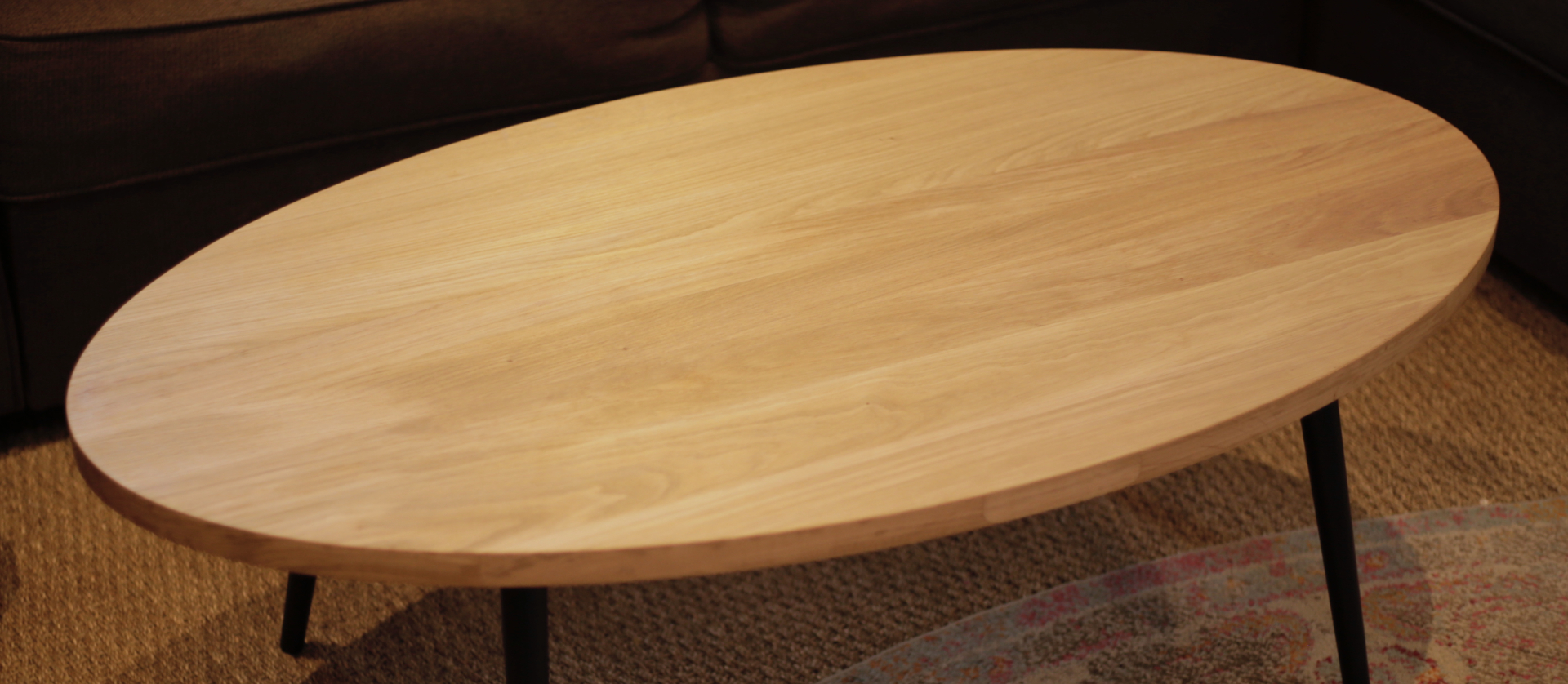
Which table tops will work best in your hotel dining space?
The best table tops are the ones sized for your service pattern, fixed safely to the bases you use, finished for your cleaning routine and planned for repair or replacement. In a hotel restaurant or breakfast room, daily use decides the specification before colour or grain.
Most hotel table top mistakes start with appearance, but the working load of the breakfast room is what decides the right specification. Hotel restaurant table tops deal with fast resets, spilled drinks, buffet traffic, chair scuffing and guests using the space in ways a sample board never shows.
Breakfast room table tops have a particularly hard job because the room runs at its busiest when staff have the least spare time. We look at cover count, guest flow and cleaning first, because those details decide whether a surface stays useful after the first week of service.
Once those pressures are clear, choosing restaurant table tops becomes a sequence of practical checks: use, layout, base, material, finish and long-term upkeep. That order keeps the decision grounded in how the room works.
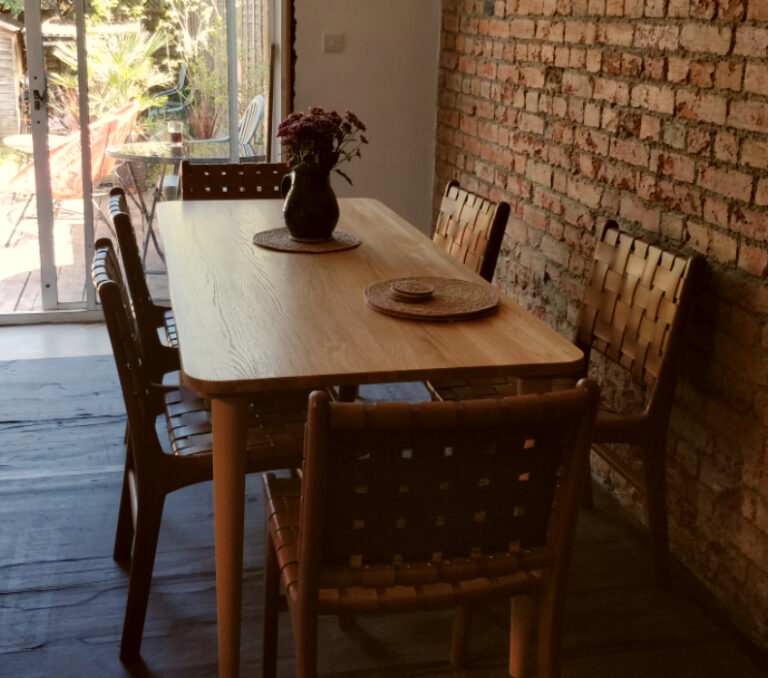
Useful size starts with the room
Useful restaurant table top size comes from the room, the chairs and the way guests move through service. A top that seats enough people on paper can still make a breakfast room harder to run if staff routes are tight or the finished height feels wrong.
Cover count and chair width
Most people measure the room and forget the chairs. Around 50 cm of table width per person is a useful starting point, with extra space for wide chairs or a more generous dining setup. Cover count only becomes real capacity once plates, cups and chair movement fit around the table.
Furniture Industry Research Association guidance recommends a fixed dining work surface height of 740 mm plus or minus 20 mm for contract dining applications. That matters because the base height, chair seat height and top thickness work together. A thicker top on an existing base can lift the finished table just enough to feel wrong in use.
Shape, depth and routes
Round tops can soften tight layouts and make small groups easier to seat. Square tops work well where you need flexibility, especially when tables are moved or paired. Rectangular tops give more usable length for covers, while oval tops can help staff and guests move around a longer table with fewer sharp corners.
Accessibility belongs in the same conversation as table shape. Approved Document M Volume 2 treats restaurants and bars as spaces that should be reachable and usable by all people, independently or with companions. In practical terms, we check clear routes, base position and finished height before treating any layout as workable.
Existing bases set hard limits
During a hotel refurbishment, keeping the existing bases can make sense, but those bases become part of the specification. At Tablemaker, we treat the base as part of the brief, because a replacement top has to work with the fixing pattern, overhang and finished height.
A base that looked stable under an old top can behave differently with a wider, heavier or differently shaped replacement. Before we make commercial table top replacement decisions, we want the real base details, not an assumption from a plan.
- Top size and overhang. The top must sit far enough beyond the base to look balanced and give knee space, while staying stable when weight sits near the edge.
- Fixing positions. Screw positions, plates and brackets need to line up with the new top, or the base needs a sensible fixing method.
- Base footprint. A narrow footprint under a large top can create wobble, especially when guests lean on one side or staff move tables for cleaning.
- Weight and handling. A heavier top can feel better in service, but staff still need to move tables safely when layouts change.
- Finished height. The base and top thickness together decide the height guests use, so the replacement must be checked as a complete table.
BS EN 15372:2023 is the current British Standard for safety, strength and durability requirements for non-domestic tables where the top is fixed to the understructure. British Standards Institution lists it as the relevant standard for that type of table assembly, and tender documents often use standards as a buying reference.
Straightening bars are strips fitted across the underside of a solid wood top to help keep it flat. Solid wood moves across the grain as conditions change, so the fixing method must hold the top securely while allowing that natural movement.
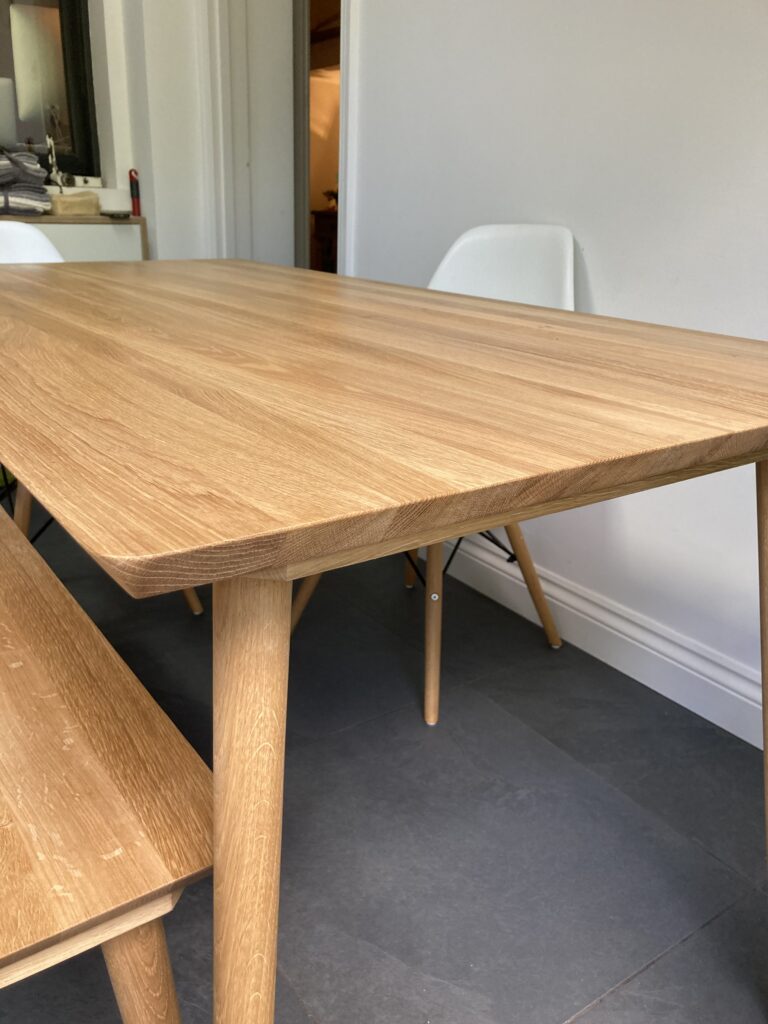
Measure the finished height as well as the top size, because the base and thickness together decide how the table feels in use.

Material choice needs maintenance logic
After installation, the material choice is tested by cleaning, repairs and daily wear. A hotel dining table top has to cope with service first, then keep looking consistent across the room as individual tops pick up marks at different rates.
Solid wood is a repairable working surface rather than a fit-and-forget panel. At Tablemaker, we use hardwax oil as standard because it can be cleaned, repaired and renewed without replacing the whole top.
Full-stave construction means the top is made from solid strips of timber running the full length of the board. Kiln dried timber has had moisture reduced before making, which helps control later movement. Grain direction also matters, because the way boards are arranged affects how the top behaves over time.
GOV.UK food hygiene guidance says food businesses must keep a cleaning schedule covering what needs cleaning or disinfecting, how often and which products are used. Cleaning products that suit one surface can be hard on another, so the best finish for wooden restaurant tables is the one that matches the hotel’s real cleaning routine.
Another material may suit a site better where the routine is very harsh or the look needs to stay completely uniform with minimal surface renewal. When repairability, made-to-measure sizing and long-term refinishing matter, solid wood table tops for restaurants are a strong commercial option, provided they are built and fixed correctly.
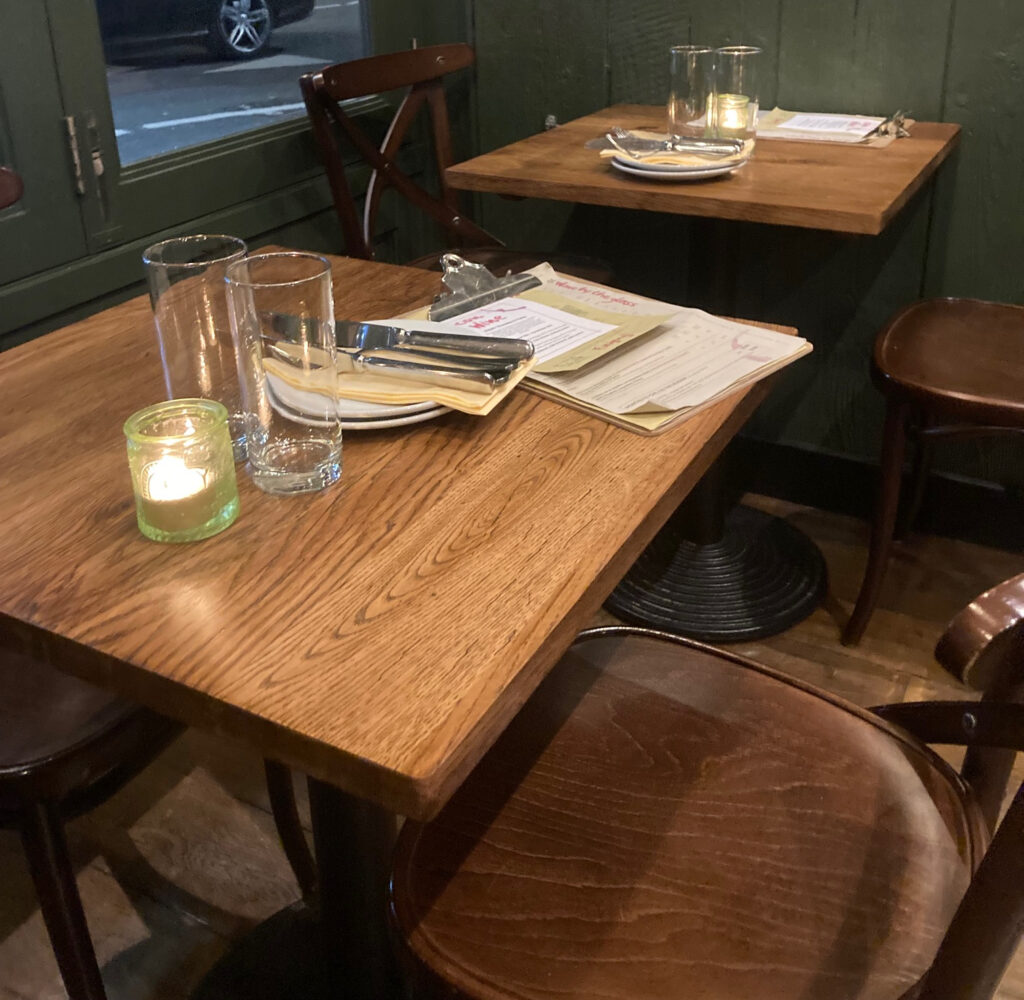
Keep one spare top in mind for future replacement planning, especially when a hotel room needs batch consistency across multiple tables.
Confidence comes from matched details
So what you are really choosing is a set of matched details. Good hotel dining table tops work because the room, base, top size, thickness, edge, corner shape, finish and cleaning routine all agree with each other.
Thickness changes weight, finished height and the way the top feels on an existing base. Edge profile and corner shape affect staff movement, chair contact and how quickly small knocks show. Finish choice controls how the surface is cleaned, repaired and renewed.
In a hotel refurbishment, batch consistency and future replacement planning matter because one damaged top should not force a whole room to be reworked. We think the best specification is the one that makes daily service simpler and future maintenance predictable. Choose the table top as a working surface, and the decorative decision becomes much easier to get right.
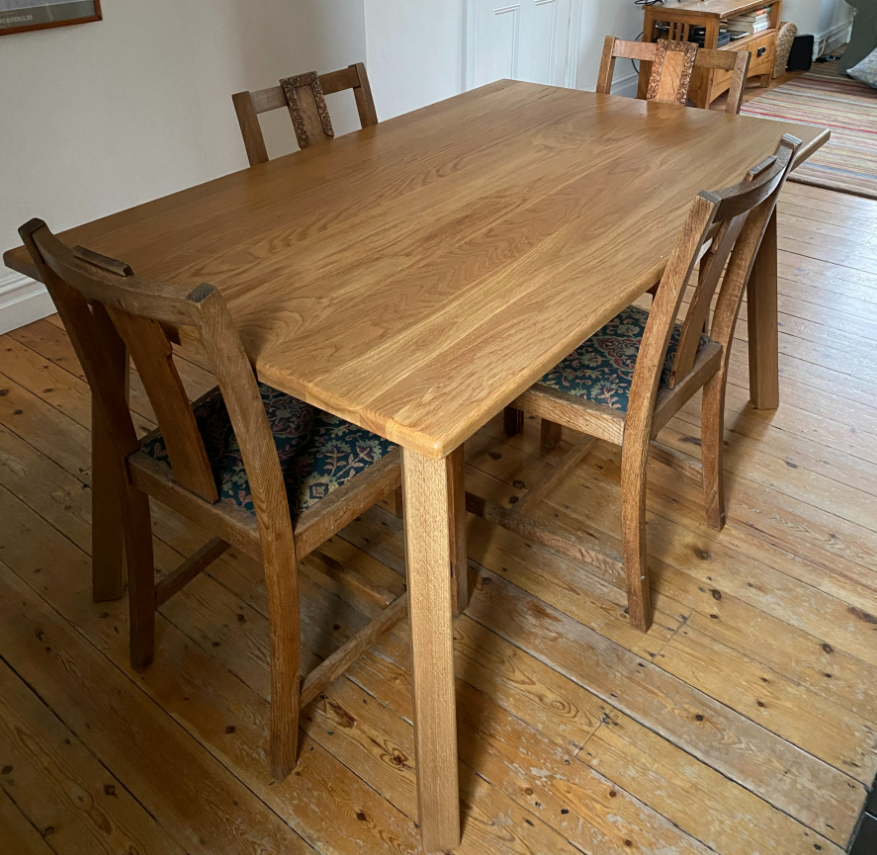 Element 57 Dining Table
Questions we get asked about hotel table tops
Can we order table tops in small size changes for awkward hotel rooms?
Yes. We make tops in 1 cm increments, which helps when existing bases, fixed seating or narrow routes make standard sizes awkward.
Do hotel table tops have to be oak?
Oak is the most common choice, and beech, walnut and pine are also available. The timber species changes appearance and cost, while the practical points of fixing, finish and repair stay the same.
What thickness works best for restaurant table tops?
The right thickness depends on the base, finished table height and the look you want across the room. We offer 24 mm and 30 mm restaurant table top options, so the choice can be matched to the base and setting.
Can a damaged wooden hotel table top be repaired later?
Yes, a solid wood top finished in hardwax oil can be lightly sanded and recoated in the marked area. That repairability is one reason solid wood suits many commercial dining spaces.
Do made-to-measure tops need more checking before ordering?
Yes, made-to-measure tops need careful measurement because the size is being made for your room and bases. Order confirmations list measurements for approval before work starts, so size checks belong early in the decision.