Posted on

How to Upgrade Your IKEA Trotten Desk Top with a Solid Wood Surface (UK Edition)

How to Upgrade Your IKEA Trotten Desk Top with a Solid-Wood Surface (UK Edition) -Tablemaker

How to Upgrade Your IKEA Trotten Desk Top with a Solid Wood Surface (UK Edition)

Why Upgrade the IKEA Trotten Desk Top?

The IKEA Trotten desk is a good starting point for anyone setting up a sit stand workspace at home. Many people eventually choose to replace the top for something sturdier and more personal. Swapping in a solid wood surface, especially oak, brings more strength and long term value.

Oak is a durable hardwood. It supports mounted accessories like monitor arms, holds up well to daily use, and has a natural grain that adds character. In UK homes, oak is a favourite because it handles seasonal changes in humidity without warping. For anyone upgrading a sit stand desk top, it offers strength and style. A solid wood top also adds stability and better weight handling for mounted gear.

Does a Solid Wood Top Fit the IKEA Trotten Frame?

Yes, it does. The frame uses a bracket system that works with different desktop sizes. If your new top is not pre drilled, you can use a paper template to mark the holes.

Most Trotten frames are made for 120 centimetre wide tops. Use metric measurements, mark holes carefully, and double check spacing before drilling. This keeps your desk stable and properly aligned. A Trotten compatible oak top is easy to install using basic tools. Most solid wood tops for IKEA sit stand frames weigh more than MDF alternatives, but the Trotten frame handles the extra load without issue.

Pro Tip: Always use a drill guide or paper template before fitting your oak top to keep holes accurate and the frame level.

Pro Tip: For a smoother finish and less upkeep, choose a pre oiled oak top with a natural satin sheen.

Which Solid Wood Works Best for Desktops?

Oak is reliable and strong. It resists dents and keeps its shape well. It suits modern and traditional interiors and gives a lasting finish. A natural finish oak desk brings out grain character and works well in home offices.

Pine is cheaper and easier to shape, but it is softer. Walnut has a deep tone and premium feel. Choose based on your style and budget.

For sustainability, look for FSC certified timber. Suppliers like Tablemaker provide made to measure oak tops that are responsibly sourced and often pre oiled. If you want a sustainable oak top that matches UK climate needs, this is a smart option.

Wood Comparison Table

Wood TypeDurabilityAppearanceCost Estimate
OakHighWarm, natural grain££
PineModeratePale, lightweight£
WalnutHighDark, rich tone£££

Order Your Oak Desk Top

Looking for Built-In Storage Too?

Call Tablemaker

How Do You Attach a Solid Wood Top to the Trotten Frame?

Turn your top upside down. Place the frame on it and mark bracket holes with a pencil. If the top is pre drilled for the Trotten, align it and go straight to fastening.

Drill pilot holes using a 2.5 mm bit. Use screws that are long enough to secure the frame without piercing through. To make screws sit flush, use a countersink bit.

A paper drill guide helps with alignment. Once the brackets are fixed, the frame will sit square and secure. This method works well for anyone installing a solid wood replacement top. The installation process is beginner friendly and works for most desk top projects.

How to Finish and Care for a Solid Wood Desk Top

Finishing protects the surface and brings out the grain. Danish oil is quick to apply and enhances the wood’s colour. For added protection, use hardwax oil or satin polyurethane.

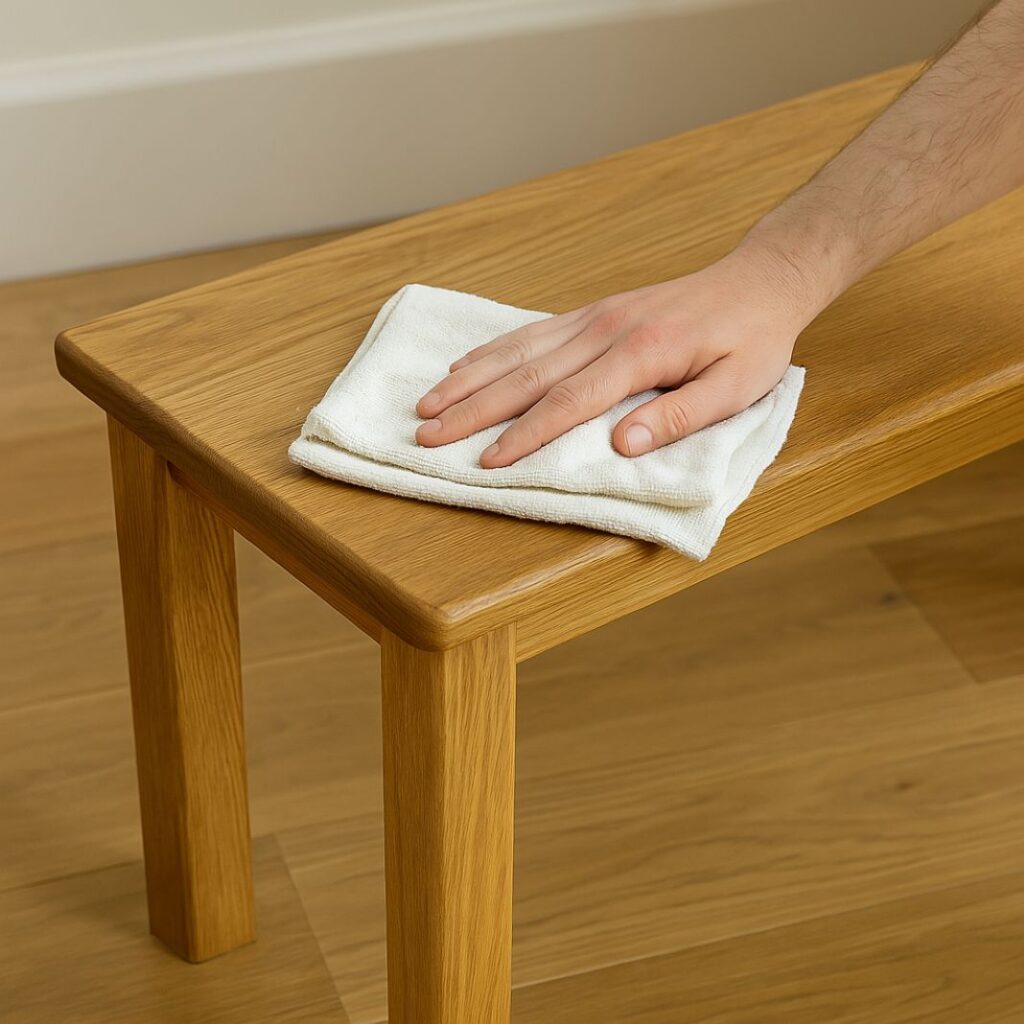
Wipe the desk with a damp cloth. Do not place hot mugs or wet cups directly on the wood. Use coasters or desk mats. Reapply oil or wax every six to twelve months to refresh the surface. A natural finish oak desk is easy to care for and gives long lasting protection.

Some UK suppliers, including Tablemaker, offer pre oiled tops. These are ready to use and require less maintenance in the early months.

What Tools and Budget Should I Plan For?

Tools Checklist

  • Cordless drill

  • Screwdriver or impact driver

  • Countersink bit (optional)

  • Pencil and tape measure

  • Sanding sponge or block (for unfinished tops)

  • Cloth or brush for oil or wax

Expect to spend £120 to £250 for the top. Finishing products add another £20 to £30. If you already have tools, the project can be done for under £300.

Compared to factory options, a custom oak desk top gives you better looks and longer lifespan. For anyone on a budget, this upgrade offers real value without compromising quality. If you are looking for an affordable oak desk top UK wide, many suppliers offer price tiers based on thickness and finish.

Where Can I Get a Solid Oak Desk Top for Trotten in the UK?

In the UK, suppliers like Tablemaker offer cut to size tops made for IKEA frames. These can be ordered pre drilled and pre finished.

You can also find options on Etsy and through joiners who make custom boards. Always confirm the holes match and that the wood is kiln dried. This avoids fit issues and prevents the top from warping.

If you want a faster install, search for ready to fit Trotten compatible oak tops from UK based makers. Choosing a made to measure desk top saves time and helps avoid uneven mounting.

Final Thoughts: Is a Solid Wood Upgrade Worth It?

A solid wood upgrade gives your Trotten frame more strength and a better finish. It makes your desk feel more solid and professional.

If you want a workspace that looks good, lasts longer and feels more personal, this is a practical upgrade. UK suppliers offer made to measure options that are easy to install, especially if pre drilled. It is a great way to upgrade without starting from scratch. Many users consider it one of the easiest ways to improve home office setups while staying within a reasonable budget.


FAQ: IKEA Compatibility and Solid Wood Tops

Q: Can I use any solid wood top with the IKEA Trotten frame?
Yes, as long as the width and bracket spacing match. A standard 120 cm wide top usually fits.

Q: Does the top need to be pre drilled to work?
No. You can drill pilot holes yourself using a template. Pre drilled options are also available.

Q: What thickness should I look for in a solid wood desk top?
Most people choose 25 to 30 mm for strength and a balanced look.

Q: Will adding a solid wood top affect the sit stand function?
It adds some weight, but the Trotten frame handles it well. Make sure it is fitted securely and stays level.

Q: What size desk top fits IKEA sit stand frames like Trotten?
Tops around 120 by 60 centimetres are common. Always double check the bracket layout before drilling.

Q: How much should I budget for a solid wood desk top project?
If you are sourcing and finishing the top yourself, expect to spend between £140 and £280 total, depending on wood choice and finish.

Upgrade Your Whole Workspace

Want more than just a new desk top? We design full home office setups that fit your lifestyle and your space.

Explore Workspace Design

Tablemaker

55 High St, London N8 7QB

02083416334

HVQM+58 London


Posted on

Checklist: Upgrading Your Idåsen Desk Top with A Solid Oak Style

Checklist Upgrading Your Idåsen Desk Top with Craftsmanship and Style -Tablemaker

Checklist: Upgrading Your Idåsen Desk Top with A Solid Oak Style

Should you upgrade your Idåsen desk top to solid oak?

Yes. Replacing the MDF or veneer top on your IKEA Idåsen desk with a solid oak desk top improves both look and durability. While MDF can serve its purpose, oak provides visible grain, adds desk stability, and withstands regular use. It complements grey or black frames and enhances tactile appeal. Choosing a solid oak desk top is a long term upgrade for your workspace.

Before You Start Setup Checklist

  • Clear a workspace and lay down a soft surface

  • Pencil, drill, spirit level, and clamps

  • Measuring tape and old desk top for reference

  • Pilot drill bits and screws or threaded inserts

  • Finish materials such as hardwax oil, satin lacquer or polyurethane

1) Decide if solid oak is right for your Idåsen upgrade

Solid oak handles daily wear, improves the feel of the desk, and balances well on a sit stand frame. Its textured surface and natural tone enhance workspace aesthetics.

Oak pairs with either frame finish. Use a natural oil for a lighter look or a tinted wax or satin finish for deeper tones.

Side Note:  Solid Oak vs Other Wood Types

Oak offers greater density and durability than beech or birch. Walnut provides a darker tone but costs more. Oak balances longevity, tactile appeal, grain enhancement, and classic style, making it ideal for Idåsen desk tops.

Pro Tip: Reapply hardwax oil once or twice a year to maintain finish and grain depth.

Pro Tip: Always pre-drill pilot holes to prevent splitting when mounting oak tops.

2) Measure the frame to match your new desk top

Accurate measurement ensures correct installation. Use the existing desk top as a guide and note preferred overhang. The Idåsen desk frame has a fixed bolt pattern, so record spacing for mounting hardware precisely.

Trace or photograph the bolt layout. Measure width and depth, and mark the centre line for alignment. This improves desk stability and fit.

Need Advice Installing Your Oak Desk Top?

Expert help for fitting, alignment, and finishing.

Contact Installation Support

3) Choose the right thickness for look and strength

Oak tops range from 2 cm to 3 cm thick. Thinner options are light but may flex. A 2.6 cm top offers strength and balance for sit stand frames while providing a substantial visual presence.

Most users find 2.6 cm ideal. Heavier tops may strain frame motors and fixings, affecting performance.

4) Pick your mounting style screws or threaded inserts

Mount using self tapping screws or threaded inserts. Screws work well for fixed setups with pilot holes. Threaded inserts are stronger and allow future removal or adjustments.

Choose based on desk use and potential relocation. Inserts provide repeatable installation and reduce risk of wood splitting.

5) Select a finish that protects and shows off the grain

Hardwax oil highlights the oak grain while offering a tactile finish. Satin lacquer provides extra protection, and polyurethane resists scratches but can feel sticky.

Oil finishes are easy to refresh and natural. Reapply once or twice a year. UV protection is recommended for desks near sunlight to maintain grain enhancement.

6) Prepare and install your solid wood desk top

Place the oak top face down on a soft surface. Mark bolt positions using the Idåsen frame and drill pilot holes or install threaded inserts.

Use clamps or ask for help during alignment. Tighten fixings gradually while checking level with a spirit level. A screwdriver or hex tool is sufficient for installation.

Troubleshooting Tips

  • Wobble Confirm bolt tension and frame alignment

  • Misaligned holes Re use the frame as a guide or adjust carefully

  • Uneven overhang Recheck the centre line and reposition the top

  • Surface scratches Lightly sand and reapply finish

  • Excess weight on motors Reduce desktop load or consider thinner top

7) Keep it looking good ongoing care for real wood

Clean with a soft cloth and avoid moisture. Use coasters for drinks and protect from heat or impacts.

Reapply finish every six to twelve months. Sand and refinish minor scratches. Regular maintenance ensures long term value and maintains grain enhancement and surface quality.

8) Tablemaker’s oak desk tops built for Idåsen frames

Tablemaker offers oak tops designed for Idåsen frames. They come pre drilled in several thicknesses and with proper bolt spacing. Choose square or rounded corners depending on style preference.

Made to measure, these tops save time, ensure correct mounting, and provide a high quality oak desk top without cutting or finishing it yourself.

Local Workshop Address in London: 55 High St, London N8 7QB, United Kingdom

Phone: 020 8341 6334

Pre Cut Oak Tops for Your Idåsen

Get a ready-made solid oak top, drilled for your desk frame.

View Ready-Made Oak Tops

Tablemaker

55 High St, London N8 7QB

02083416334

HVQM+58 London


Posted on

Best Desk Top Materials for Standing Flexispot Desks: Why Solid Wood Beats MDF

Best Desk Top Materials for Standing Flexispot Desks Why Solid Wood Beats MDF Tablemaker

Best Desk Top Materials for Standing Flexispot Desks: Why Solid Wood Beats MDF

What’s the Best Desk Top for a Flexispot Standing Desk?

If you use a Flexispot standing desk frame, the next choice is the surface that sits on top. The desk top isn’t just a finishing touch. It affects how stable your setup feels, how long it lasts, and how it handles daily use. Many start with MDF because it’s affordable and easy to source. But those who upgrade to solid wood often notice the difference straight away.

What Makes a Desk Top Worthwhile?

  • Strong enough to reduce wobble and frame shake

  • Comfortable edges that support long working hours

  • Can hold clamps for monitor arms securely and without damage

  • Resists scratches, bubbling, sagging and wear over time

  • Looks natural, feels solid, and suits a home office or studio

Solid wood performs well in all these areas, especially when paired with a height adjustable frame like the Flexispot E7 or E8. It’s the part of your desk you touch and see all day, so it makes sense to choose a material that feels right.

Pro Tip: If you use clamp-on arms, solid wood protects against compression damage better than MDF.

Pro Tip: For a cleaner finish, ask for rounded edges or chamfered corners when ordering your oak top.

Solid Wood vs MDF: Which Flexispot Desk Top Lasts Longer?

MDF is a widely used material that works well in many standard desk setups. It has a smooth surface and supports light to moderate use.

Solid oak is a durable hardwood. It performs well in sit stand setups and handles daily wear better. It holds clamps more securely, resists dents, and can be sanded and refinished. It also develops a natural patina that improves with age.

FeatureMDFSolid Oak
Surface DurabilityModerateHigh
RepairableNoYes
Water ResistanceLowModerate
Finish QualityLaminateNatural Grain
Clamp StrengthLowerStronger
Lifespan2 to 5 years10 years or more

If you’re adding monitor arms, studio speakers or heavier equipment, oak provides more stability. The screw retention is stronger, and the top will not compress under clamp force like fibreboard sometimes does.

Free Advice Before You Upgrade

Not sure what size or thickness suits your Flexispot frame? Our experts can walk you through it.

Ask Us Anything

Why MDF Desk Tops Can Sometimes Struggle with Daily Standing Desk Use

Clamp-on monitor arms and frequent height changes place extra pressure on any desk top. Over time, some surfaces may show wear or instability.

Many users in Flexispot forums eventually move toward solid wood tops for added stability and surface strength.

Solid Oak Desk Tops: Strong, Reliable and Easy to Maintain

Oak feels solid, and you can tell the difference the moment you sit at it. The surface absorbs sound better, feels more grounded, and offers better clamp performance. The natural grain makes each top unique and develops more depth over time.

Unlike fibreboard or veneer, oak can be refinished. Sanding and resealing restores it to like-new condition. This gives it a much longer service life.

Tablemaker produces solid oak desk tops specifically for Flexispot frames. They offer sizing that fits E7, E8 and other frame types, and you can choose board width, thickness and edge profile. That makes it a more tailored fit for home offices, music production setups, developer desks or dual monitor configurations. For the best desk top for Flexispot, check Tablemaker out.

Can a Flexispot Frame Support a Solid Wood Top? Yes, and Here’s Why

Some people worry that solid oak will be too heavy for a sit stand desk. But Flexispot frames are designed with lifting capacity to support real weight. In fact, many users find the added mass helps with balance and wobble control.

FrameLift CapacityWorks with Solid Oak?
E270kgBest with a lighter top
E7125kgYes
E8125kgYes
Pro Plus100kgYes

As long as the top is properly aligned and fixed with enough mounting points, Flexispot frames can handle solid oak easily. Just ensure your load is balanced, especially if you’re using clamp-on accessories like microphone arms or dual monitor mounts.

If you’re wondering whether a solid wood desk top will affect height stability at full extension, the answer is no—as long as your setup is balanced and within the load limit.

Other Materials Compared: Bamboo, Laminate and Plywood Desk Tops

If you’re exploring other materials before committing to oak, here’s a quick breakdown:

  • Bamboo: Lightweight, attractive and sustainable. But it dents easily, and some users find it too soft for clamp-on accessories.

  • Laminate: Budget friendly and scratch resistant, but it can feel artificial. The edges can chip and it lacks the warmth of natural grain.

  • Plywood: Rigid and durable. Used in industrial applications, but edge finishing is difficult to get right without extra work.

MaterialProsCons
BambooLightweight, eco-friendlySoft, may show dents and scratches
LaminateLow cost, scratch resistantSynthetic feel, edge wear common
PlywoodStrong and stableEdges can look raw or unfinished
OakDurable, refinished easily, premium feelHeavier, higher initial investment

Each material serves a purpose. Oak stands out for users looking for tactile warmth, higher strength, and long-term use without needing frequent replacement.

Oak vs Walnut vs Beech: Which Hardwood is Right for You?

If you’re set on going with solid wood, it helps to understand the main differences between oak, walnut and beech. Each has its own look, feel and strength profile.

Wood TypeAppearanceStrengthPrice RangeNotes
OakMid-tone, visible grainVery strongModerateDurable and easy to finish
WalnutDark brown, smooth grainStrongHigherElegant but more costly
BeechLight, reddish toneSofter than oakLowerLess dent resistant, good for light use

Oak strikes a balance between durability, price and visual appeal. It holds up well under daily work and develops a deeper tone over time. Walnut is a premium choice and looks luxurious, but it’s more expensive. Beech is lighter and more affordable, though not as tough as oak under constant clamp or load-bearing use.

How to Choose the Right Desk Top for Your Space and Budget

When deciding on the right desk top, ask yourself:

  • How much use will it get? A daily workstation benefits from better materials.

  • What is the size of your space and frame? Make sure you measure correctly for fit.

  • What do you need to mount? If you plan to use monitor arms, microphone mounts or other clamp-based gear, choose something with strong screw hold and reliable load bearing capacity.

  • What style do you want? Oak has a clean, timeless look that blends well with both modern and classic interiors.

  • What’s the real value over time? While MDF is cheaper upfront, oak often lasts two to three times longer and holds up better with daily use.

If you’re already using a Flexispot frame, upgrading to a solid oak desk top is one of the most noticeable improvements you can make to your workspace. And if you want a precise fit or help choosing features like edge profiles or finishes, Tablemaker offers custom oak tops that are made to match Flexispot specifications.

Is It Worth Upgrading from MDF to Solid Wood for a Standing Desk?

Yes—especially if you use your desk every day and want better surface strength, comfort and long term value. For many users, a solid wood upgrade makes your desk feel like a piece of real furniture, not just a frame with a flat board on top.

Upgrade Your Flexispot Desk the Right Way

Want a desk top that lasts and actually feels good to use? Let’s help you pick a solid oak top made to fit.

Get a Custom Oak Top

Tablemaker

55 High St, London N8 7QB

02083416334

HVQM+58 London


Posted on

FlexiSpot vs Custom Desk Tops: Which One Is Right for You?

FlexiSpot vs Custom Desk Tops Which One’s Right for You -Tablemaker

FlexiSpot vs Custom Desk Tops: Which One Is Right for You?

Which Desk Top Is Better: FlexiSpot or Custom Made?

If you use a FlexiSpot sit stand desk, you might eventually ask yourself if the standard top really suits your needs. Many people start with MDF, bamboo or chipboard, then later think about upgrading. A custom wood desktop can make a surprising difference, especially if you want your workspace to feel more solid, natural and long lasting. Read on to find out!

What Materials Are Used in FlexiSpot Desk Tops?

FlexiSpot offers ready made tops in MDF, chipboard, laminate, bamboo and tempered glass. These are built to be practical, affordable and easy to set up.

Chipboard and MDF are smooth and simple, commonly used in entry level options. Bamboo is popular for its light finish and eco friendly appeal. Laminate adds durability with a clean finish, and the glass version gives a modern look but can be less forgiving for daily use.

All FlexiSpot tops are compatible with their height adjustable frames, including the E7 and EC1. They arrive pre drilled, so fitting them is straightforward. These tops support workspace setups with clean lines, integrated cable trays and ergonomic accessories.

Pro Tip: Keep a 25 to 30 millimetre gap between top and wall for cable clearance, especially with sit stand frames.

Pro Tip: Always oil your solid wood top before first use to reduce moisture absorption and surface staining.

Why Is Solid Oak a Popular Choice for Custom Desk Tops?

Solid oak is a top pick for those who want a desk that looks good and lasts. As a hardwood, oak is naturally strong, which helps it hold up to daily use, knocks and scuffs. It has a grain pattern that adds warmth, texture and depth to a space.

Over time, oak develops more character. It blends easily with other wood tones in your home, and the finish can be oiled or sealed to protect the surface while letting the grain stay visible. Oak is also one of the best standing desk top materials for heat resistance, wear tolerance and repair potential.

Some UK suppliers, like Tablemaker, make custom oak tops cut to size for FlexiSpot frames. These often come with rounded corners, oiled finishes and added thickness for a solid, premium feel. Many come with edge profiles and grain matching options for design led interiors. Find their solid oak desk top selection here.

Want a Better Office Setup?

Discover smart ways to improve comfort and style in your workspace.

Call for Trade Quote

Are There Other Woods Worth Considering?

While oak is a favourite for many, other hardwoods are also popular choices for custom desktops. Ash has a similar grain and lighter tone, making it ideal for airy spaces. Walnut offers a darker, more luxurious finish with rich variation. Beech is a slightly softer wood but works well for light to medium duty desks.

Each type brings different tones, textures and costs. Most are compatible with FlexiSpot frames when cut to the right size. If you are choosing based on colour or design theme, these alternatives might suit better than oak depending on your space.

How Do FlexiSpot and Custom Tops Compare for Everyday Use?

Each top offers something different depending on how you work. Stock FlexiSpot tops are smooth, easy to clean and well suited to general use. Oak tops are better at hiding small marks and can be sanded or oiled to refresh the surface over time.

Oak also adds a natural warmth and subtle texture that many people find pleasant to work on. If you spend long hours at your desk, the feel of real wood can make a difference. It helps reduce noise from typing or accessories too. This contributes to better workspace comfort, especially in home offices shared with others.

Solid wood is heavier, but FlexiSpot frames like the E7 are built to support the extra weight comfortably. For those looking to build a sturdy, lasting setup, this makes oak a strong choice.

Can You Fit a Custom Top on a FlexiSpot Frame?

Yes, you can. Most custom tops work with FlexiSpot frames, provided the bolt layout is right or can be easily adjusted. Many users transfer hole placements from the original top, or drill pilot holes for accurate fitting.

Threaded inserts or wood screws help fix the top securely. Be sure to check screw length so it does not poke through the surface. Allow for an even overhang so the frame gives proper support.

Solid tops in the 25 millimetre to 40 millimetre range are ideal. If you want a step by step breakdown, check out our guide to installing a solid wood top on a height adjustable frame. This ensures better alignment, smoother setup and reduced movement over time.

Which Looks Better in a Design Led Home Office?

If design matters in your workspace, a real wood desktop often feels like the finishing touch. Oak brings natural detail and weight to a room, and fits nicely into both minimal and cosy interiors. It works well with wood floors, neutral walls and soft furnishings.

FlexiSpot’s own tops, particularly bamboo and laminate, have a clean and modern look. While they may be more understated, they blend in well with simpler setups and offer consistency in finish.

Custom oak tops, however, often become a feature in the room. Their texture and tone bring a level of depth that many stock materials do not. For anyone creating a space that supports wellbeing, focus and long term comfort, oak is an excellent match.

How Much Do FlexiSpot and Custom Tops Cost Over Time?

Stock FlexiSpot tops range from around sixty pounds to one hundred and fifty pounds. Custom oak tops usually start at two hundred pounds and vary based on size and finish. While oak costs more upfront, it tends to last much longer and can be refreshed rather than replaced.

Manufactured surfaces may need swapping after a few years, especially in busy spaces. Oak can handle wear better, and most surface marks can be cleaned up with a light sanding or re oil. That adds up to lower lifetime cost and reduced waste.

If you spend a lot of time at your desk, the extra cost of oak often pays off over time in both function and appearance. It offers a balance of durability, aesthetic value and upgrade worthiness that makes it a common upgrade for remote workers.

Who Are Custom Solid Oak Tops Best Suited For?

Oak tops work well for people who spend most of their day at a desk and want something that feels solid and personal. Creative professionals, home workers and anyone using a desk for long hours often find the quality reassuring.

If your desk sits in a visible part of the home or needs to match existing furniture, a solid oak top offers warmth and visual continuity. It is also good for people who enjoy a tactile surface that improves with age.

For budget conscious setups or temporary spaces, a FlexiSpot top still offers excellent value and ease of use. These tops are also ideal for first time standing desk users who want something ready to go with no adjustment needed.

So Which One Is Right for You? A Quick Recap by User Type

Choose a FlexiSpot stock top if:

  • You want something affordable and ready to install

  • You need a lighter setup

  • You might upgrade later on

Choose a custom oak top if:

  • You want a workspace that lasts and looks good over time

  • Your desk is part of your interior design

  • You prefer a natural, tactile surface to work on

Both options are compatible with FlexiSpot frames. The right choice depends on your day to day routine, your space, and how much long term value you want from your desk.

Frequently Asked Questions

Is oak too heavy for a standing desk?
Most FlexiSpot frames, especially models like the E7, are designed to support solid wood tops with ease. Always check the frame’s weight capacity, but oak within standard size ranges is generally well supported.

Can I re oil a solid oak top myself?
Yes, maintaining a solid oak top is simple. Use a lint free cloth and Danish oil or hard wax oil every six to twelve months, depending on use. Light sanding may help if the surface becomes rough or marked.

How do I check if a custom top fits my FlexiSpot frame?
Measure the mounting hole pattern of your current top, or download the technical spec from the FlexiSpot website. Most custom makers can drill holes to match, or you can drill your own using the original as a template.

What thickness should I choose for a solid wood top?
A thickness of 25 to 40 millimetres offers a good balance of strength and appearance. Thicker tops add visual weight and rigidity but may cost more.

Are other hardwoods like walnut or ash just as good as oak?
Yes, walnut, ash, and beech are all solid choices depending on your budget, colour preference and room style. Each offers a different look and grain pattern while still being durable.

Ready to Upgrade Your Desk Top?

Find the perfect oak top cut to fit your FlexiSpot frame.

Browse our trade shop

Tablemaker

55 High St, London N8 7QB

02083416334

HVQM+58 London


Posted on

How to Customise Your FlexiSpot Desk for Maximum Durability and Style

How to Customise Your FlexiSpot Desk for Maximum Durability and Style - Tablemaker

How to Customise Your FlexiSpot Desk for Maximum Durability and Style

How can you customise your FlexiSpot desk for better durability and style?

Customising your FlexiSpot desk is a practical way to improve how it looks and performs. By making a few smart adjustments such as switching the top, improving desk stability, and choosing practical accessories, you can build a workspace that feels more intentional and lasts longer.

Why Customise Your FlexiSpot Desk in the First Place?

Most people begin with a standard MDF desktop and a basic cable tray. These provide a reliable foundation, but some users look to personalise their desk for added comfort, style, and functionality, especially if it is used every day.

Enhancing your standing desk frame can lead to less clutter, a more polished finish, and a layout that fits your space better. These subtle improvements help make your desk feel more integrated into your home.

Having a setup that reflects your style can also make work feel a bit easier.

Replace the Desktop with Solid Oak for Better Durability and Style

One change that has both visual and practical impact is replacing the MDF top with a solid oak desktop. While MDF and laminate are efficient, oak offers a more substantial feel. As a hardwood, oak is known for being resilient, attractive, and long lasting.

It stands up well to heat, dents and scratches. The natural grain adds character, and it fits seamlessly with other furniture in your space. Suppliers like Tablemaker produce made to measure solid oak tops with pre drilled holes that match FlexiSpot’s frame.

Before attaching your new surface, it is worth checking that your frame supports the additional weight. The good news is, this extra mass actually helps reduce wobble and improves desk weight distribution. You will also want to line up the mounting holes and position the control panel in advance.

Pro Tip: Keep all accessories neutral in colour so your desk remains calm and visually balanced.

Pro Tip: A heavier top like oak not only looks great but also reduces standing desk setup wobble.

Simple Ways to Improve Desk Stability Without Ruining the Look

Standing desks can shift slightly when raised, particularly with dual monitors or heavy gear. You can improve stability without adding bulk or spoiling the appearance:

  • A stabiliser bar under the top improves the rigidity of the frame.

  • Rubber pads under each foot stop the desk from sliding.

  • Setting your desk near a wall or corner gives it extra balance.

  • Using a heavier top like oak naturally adds weight to keep things steady.

These small adjustments improve desk weight distribution and can make a noticeable difference.

Upgrade Your Workspace Today

Feel like your desk setup could do more? Let’s help you create a stylish, long lasting workspace that fits your life.

Call for Trade Quote

Give Your Desk a Visual Upgrade Without Buying More Gadgets

If you are happy with function but want to improve the appearance, a few small changes go a long way:

  • Hide wires with cable trays or sleeves to keep everything neat and improve standing desk cable management.

  • Wrap the desktop in vinyl if you would prefer a new look without swapping it out.

  • Add a desk mat in cork, leather or felt for colour, texture and surface protection.

  • Match your monitor arms or lamp to other fixtures to make the space feel tied together.

Visual upgrades like these make the desk look more considered.

Useful Add Ons That Actually Make Your Workspace Better

Accessories should serve a purpose. Choose the ones that help you work comfortably and maintain a clear surface:

  • Under desk drawers are great for stationery and cables, just check they clear the motor assembly.

  • Clamp on USB hubs bring power access to the front edge.

  • Wireless chargers remove the need for extra cables.

  • Headphone hooks prevent tangles and protect your kit.

  • Wall mounted pegboards or shelves free up desktop space without sacrificing access.

These types of additions to your custom desktop help create a more ergonomic home workspace.

Easy Ways to Tie It All Together for a Cohesive Setup

Once you have made a few changes, it helps to bring the look together. Try keeping colours and materials in sync for a cleaner finish:

  • Choose a chair that works with your top. Oak works well with tan or black leather.

  • Stick to two or three tones across accessories to keep it calm and uncluttered.

  • A small plant or photo adds warmth and softens edges.

  • Pick a light source that supports both task lighting and visual balance.

Layout Combinations That Work

  • Oak desktop, black arm, tan mat = a grounded, modern feel

  • White top, white legs, green plant = fresh and minimal

  • Walnut top, navy chair, brass light = rich and classic

The aim is to make the whole space feel intentional, not pieced together.

Final Thoughts

A FlexiSpot desk gives you a solid base. With a few upgrades like switching to solid oak, adding helpful accessories, or improving layout, you can build a setup that is more comfortable and visually tidy. These changes support longer use, better posture, and a workspace that actually fits your life.

FAQ

Can you use solid oak with any FlexiSpot frame?

You can, as long as the oak surface is cut to size and does not exceed the frame’s weight capacity. Most FlexiSpot frames support heavier tops, but it is always best to double check.

What accessories actually improve daily use?

The most effective ones are drawer trays, wireless chargers and front facing USB hubs. They help cut down mess and make things easier to reach.

How do I keep an oak desktop in good shape?

Wipe it clean with a soft damp cloth. Every few months, apply a wood conditioner or wax oil to keep the grain looking its best.

Will upgrading the desktop make the desk more stable?

Yes. A heavier material like oak adds mass, which can help limit wobble, especially at full height.
Looking for Made to Measure Furniture?

Need a custom oak top or help fitting your FlexiSpot? We can design it around your space and needs.

Browse our trade shop

Tablemaker

55 High St, London N8 7QB

02083416334

HVQM+58 London

 

Posted on

How to Choose Restaurant Tables That Last

How to Choose Restaurant Tables That Last

How do you choose restaurant tables that last?

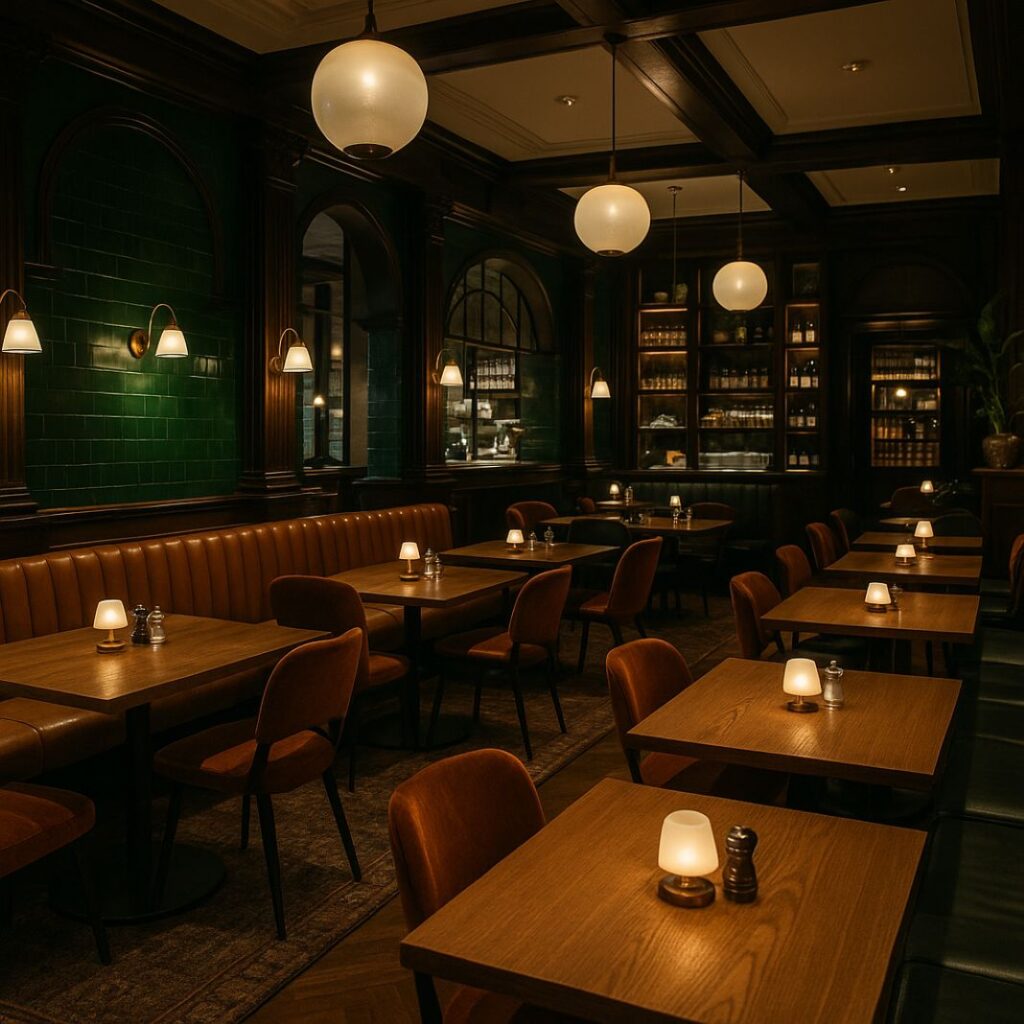
Choosing restaurant tables that hold up over time means focusing on commercial grade materials, functional design, ergonomic structure and spatial adaptability. Tables must withstand high footfall, hot serviceware, cleaning chemicals and frequent rearrangement. A carefully chosen table supports operational flow, enhances customer comfort and reinforces your interior branding.

Tables That Shape Social Interaction

How does table shape affect customer experience?

Table shapes influence conversation flow, spatial comfort and group engagement. Round, oval and hexagonal designs support inclusivity, making them ideal for group dining or communal café settings. Modular tables suit evolving layouts, letting you scale from two-person tables to banquet seating easily.

Smaller round tables are popular in quick service restaurants and cafés, while rectangular options are commonly used in casual dining to maximise floor space. Consider how each format affects visibility, accessibility and guest comfort.

Trends in Social Dining Design

Current hospitality design trends favour open layouts and sociable zones. Community tables, counter seating and shared benches offer both interaction and flexibility. High tops and standing tables are now common in bars and fast casual venues.

Thoughtful zoning supports different group sizes and moods, while modular restaurant furniture lets you switch layouts between lunch and evening service. 

Pro Tip: Tables with hidden casters and modular sizing give you the flexibility to reconfigure layouts for private events or seasonal flow changes.

Pro Tip: Always match table materials with usage zones. For example, use compact laminate for high-traffic areas and softer woods in quieter, low-use zones.

Tables That Make a Statement

Which table designs help build brand identity?

Restaurant tables play a large role in visual storytelling. Materials like reclaimed wood, poured resin, terrazzo or live edge hardwoods offer both durability and design value. These features visually distinguish your space while reflecting your venue’s style and message.

One of the most unique approaches in sustainable restaurant furniture is the use of Full Grown trees—trees shaped over years to form furniture structures without cutting or joining. This method creates one-of-a-kind pieces with no waste and a powerful backstory. UK-grown furniture of this kind shows true design commitment and adds unmatched authenticity to interiors.

Some chefs have even started building their own tables from reclaimed materials that match the tone of their food. A table made from salvaged wood and finished with natural oil can align beautifully with a locally sourced, organic menu. These stories create stronger emotional bonds with customers.

Reinforcing Visual Identity

Tables with soft corners and earth tones suit casual bistros, while crisp finishes and geometric edges lend themselves to more formal layouts. Colour matched furniture can visually segment seating zones. Restaurant furniture choices should be consistent with overall interior design themes, down to the detail of table base shape or leg material.

Design Support for Hospitality Spaces

From layout planning to table sourcing—we help you get it right.

Call a Design Consult

Choosing Materials That Withstand the Test of Time

What are the most durable table materials for restaurants?

Tables in hospitality settings must be made from materials rated for high wear. Solid woods such as oak and ash remain popular for their longevity and aesthetic flexibility. High pressure laminate and compact laminate offer exceptional heat, moisture and stain resistance with easy maintenance.

Commercial grade stone surfaces like quartz and granite are ideal for high contact areas due to their scratch resistance and ease of cleaning. For metal bases, powder coated aluminium and stainless steel are excellent for strength and corrosion resistance.

For a deeper comparison of materials, this commercial furniture durability breakdown is a helpful resource.

Sustainability and Material Storytelling

FSC-certified timber, reclaimed scaffold boards, recycled aluminium and locally sourced stone help restaurants reflect environmental values. Highlighting the story of your materials builds connection and credibility. For example, showcasing tabletops built from timber reclaimed from local landmarks adds meaning to design.

Emerging sustainable materials like Polygood, made from post-consumer recycled polystyrene, offer new aesthetic options that support circular economy values. It’s now possible to source table tops that are Cradle to Cradle certified while still maintaining colour consistency and impact resistance.

Moisture tolerant, UV resistant and antimicrobial finishes reduce maintenance frequency while meeting food safety standards. Choosing such surfaces contributes to responsible procurement and supports lower operational costs.

Putting Comfort First With Ergonomics and Inclusive Design

What makes a dining table comfortable for all guests?

Tables should follow ergonomic guidelines for seat clearance, leg space and height. The UK standard dining height is approximately 76 centimetres. Chairs should allow 30 centimetres between the seat and table top to maintain posture alignment.

Rounded corners help avoid injury and improve comfort, especially in tight spaces. Weighted bases prevent wobbling and keep furniture in place on uneven floors. Choose options that support wheelchair access and offer flexibility for parents with pushchairs.

Enhancing Dwell Time Through Design

Acoustic absorbent surfaces and upholstered chairs help soften ambient noise, making conversations more enjoyable. Non-glare, low sheen finishes create a more welcoming table surface. Layouts with breathing room between tables give guests a sense of privacy without isolation.

These choices support longer stays and improve perceived comfort. For more on pairing surfaces and chairs effectively, read our feature on restaurant table and chair combinations.

Flexibility and Future Proofing With Smart Design

How can restaurant tables support changing service needs?

Restaurants often switch layouts to accommodate groups, events or delivery packing. Modular tables, nesting sets and lightweight moveable designs provide maximum layout control. Features like adjustable legs and hidden casters also make room reconfiguration quick and simple.

Flexible table heights, such as those suited to bar service or banquette seating, help maximise every area of the restaurant. Table options should reflect different usage zones without disrupting visual harmony.

What are the latest restaurant table trends including tech and communal layouts?

Restaurants across the UK are integrating wireless charging pads, tabletop ordering tablets and LED indicators to streamline service. These upgrades improve guest convenience and support contactless workflows.

AR-enhanced dining is also gaining interest. Research from immersive dining venues abroad shows that augmented reality projected onto tables can change mood, improve engagement and even influence meal pacing. While still early for the UK market, some restaurants are experimenting with AR menus and ambient projection setups.

Communal tables are being embraced in casual dining, cafés and even fine dining spaces. These long tables increase capacity, support shared experiences and often improve turnover. Smart spacing between diners keeps things comfortable while maximising seating density.

Final Thoughts

Selecting restaurant tables involves more than matching colours and shapes. The right tables reflect your concept, hold up under daily use, support efficient service and create a comfortable environment. Focus on commercial durability, material performance, comfort and layout flexibility to make a long-term investment that works across every service.

Upgrade to Commercial Grade Today

Shop high-performing tables that handle everyday restaurant use.

Browse our furniture shop

Tablemaker

55 High St, London N8 7QB

02083416334

HVQM+58 London
 

Posted on

Are Oak Benches a Good Alternative to Dining Chairs?

Are Oak Benches a Good Alternative to Dining Chairs?

Are Oak Benches a Good Alternative to Dining Chairs?

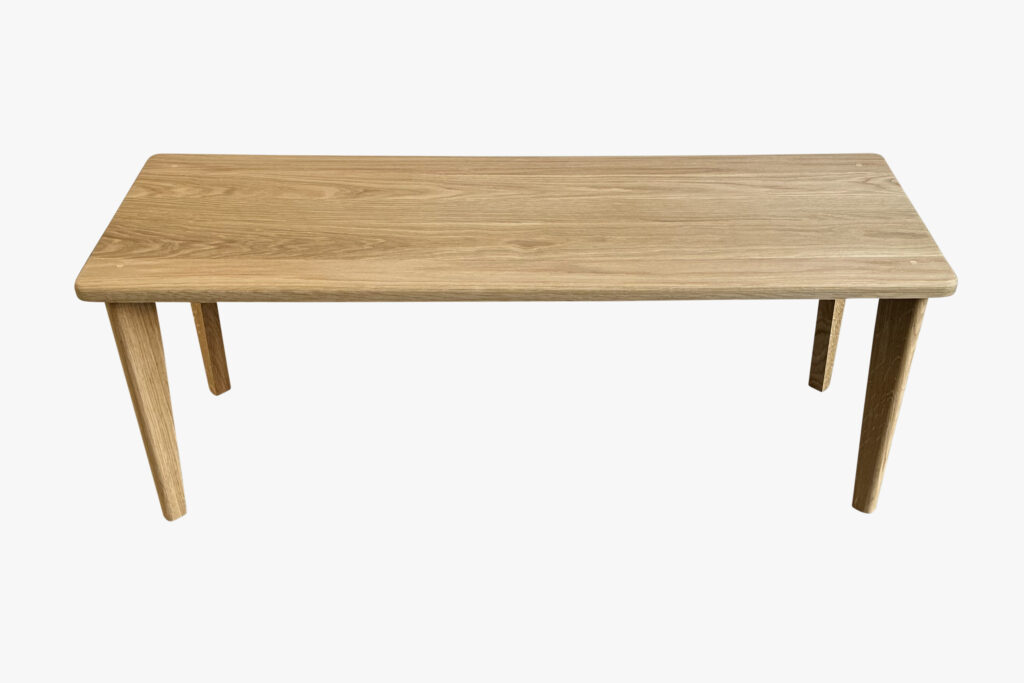
Yes, oak benches are a genuinely practical and attractive option for your dining area. They are adaptable, space efficient and suit a broad mix of interior styles in homes across the UK. Whether you want a relaxed setup for daily family meals or a clean, simple layout for a kitchen diner, an oak bench handles the job with ease. Alongside being a comfortable place to sit, they bring warmth, functionality and a natural grain that complements many interiors. For those seeking made to measure dining furniture or solid wood bench seating, oak benches offer both long term value and timeless appeal.

The Rise of Oak Benches in Modern Dining Spaces

Why Are More Homes Using Benches Instead of Chairs?

Across the UK, homeowners are rethinking how their dining furniture works in everyday life. With space often limited, especially in new builds and city flats, benches have become a sensible choice. They fit neatly beneath the table, seat more people when needed and maintain an open flow in the room.

Design trends such as Scandinavian modern and Japandi place focus on simple, natural materials. Oak fits perfectly into these themes with its visible grain and strength. Designers are also specifying benches for built in dining corners and banquette setups, particularly in smaller kitchens or open plan areas where flexibility and clean lines are a priority.

Benches create a friendly and communal dining setup. Mealtimes feel more relaxed and social without losing functionality. Whether you’re having a quick breakfast or hosting a casual dinner, an oak bench can make the space more inviting.

In Devon, a community-built project created an 18 metre table using a single fallen oak tree, highlighting oak’s rich heritage and connection to shared dining. This reinforces the material’s long-standing use in bringing people together through form and function.

Pro Tip: Curved oak benches are ideal for round tables or awkward kitchen corners—get a made to measure option for a perfect fit.

Pro Tip: Pair an oak bench with an upholstered pad for added comfort and a warmer dining setup.

Practical Benefits for Everyday Living

How Do Oak Benches Help With Space and Flexibility?

Benches take up less space than standard dining chairs. They are ideal for narrow rooms and smaller homes because they slide easily under the table when not in use. This helps keep walkways clear and the room looking tidy.

For longer tables, a bench can seat more people without the clutter of extra chairs. Families appreciate how easy they are for children to use and how adaptable they are for changing needs. Many households use a bench in the dining room, then move it to the hallway or use it as a wooden window seat when needed elsewhere.

Some customers choose built in oak benches with hidden storage underneath. This creates useful space in kitchen diners or compact homes, giving you a place to stow away kitchenware or school bags while keeping everything within reach.

Benches also work well in commercial interiors. Cafés and pubs can increase their customer seating with wooden bench layouts. Oak holds up well in high traffic areas thanks to its durability and low maintenance.

If you’re considering one for daily use, take a look at our care and maintenance advice for solid oak benches.

Not Sure What You Need?

Let us help you design the right bench with size, shape and style advice.

Request a Trade Quote

Why Solid Oak Makes All the Difference

What Are the Benefits of Solid Oak Over Other Materials?

Oak is a hardwood known for its density and strength. It performs far better under pressure than pine or veneered MDF, especially over time. Solid oak does not chip easily and holds its shape even after years of use.

At Tablemaker, we use sustainably sourced prime grade European oak to produce our made to order benches. Every piece is made in our North London workshop using traditional joinery techniques. These include mortise and tenon joints that provide long lasting strength without visible fixings.

Each oak bench is finished with hardwax oil. This protects the surface from water and heat while enhancing the natural tones of the timber. It also allows for future maintenance, as the oil can be reapplied without removing the original finish.

We also offer curved oak bench options ideal for round tables or small kitchen corners. These are especially useful when designing built in breakfast nooks that need to follow the shape of a wall.

If you’d like to compare colours or grains before ordering, you can request a wood sample directly from our site.

Style, Comfort and Customisation Options

How Can You Make an Oak Bench Fit Your Space?

There are several variations in bench styles. A backless oak bench gives a minimal profile and is easy to move around. Benches with backs offer greater support for longer seating periods. Upholstered seat pads in linen or wool can be added to boost comfort while keeping a natural look.

For a more practical approach, consider using durable fabrics like Sunbrella for custom seat pads. These are easy to clean, moisture resistant and perfect for high use family spaces.

Many people combine a bench with chairs on the opposite side of the table. This keeps the seating arrangement flexible and visually interesting. Benches also work well alongside round or rectangular solid wood tables.

We build all Tablemaker benches to specification. This means you can choose the size, style and finish that works with your layout. Whether you are planning a fitted dining nook or an open plan room, we offer support on design choices through our oak table and bench style guide.

Oak’s natural grain pattern ensures each bench is slightly different, giving every customer a unique result. This individual character is what makes custom furniture such a worthwhile investment.

Benches Are Back and Built to Last

Are Oak Benches Still a Good Choice Today?

Oak benches are a smart choice for both form and function. They suit family kitchens, modern dining rooms and commercial spaces where furniture needs to work hard without looking worn out. The balance of long term use, comfort and custom fit makes them a great match for today’s homes.

Our customers across the UK rate Tablemaker benches highly for their quality and design. We focus on real materials, clear pricing and personal service. Each piece is made to order, finished by hand and built to last.

Browse our solid oak bench collection or contact us if you need help choosing a custom option. We are here to help you find something that fits naturally into your space, both in size and style.

Further useful reading material:

BBC Learning English – Building a better world with wood
Highlights the health benefits of natural timber environments and historic use of oak

Order a Custom Oak Bench

Made to fit your space and style. Choose your size, finish, and shape.

Browse our furniture shop

Tablemaker

55 High St, London N8 7QB

02083416334

HVQM+58 London
 

Posted on

Understanding Table Leg Position and Seating Capacity in Commercial Spaces

Understanding Table Leg Position and Seating Capacity in Commercial Spaces

How does table leg position impact seating capacity in commercial venues?

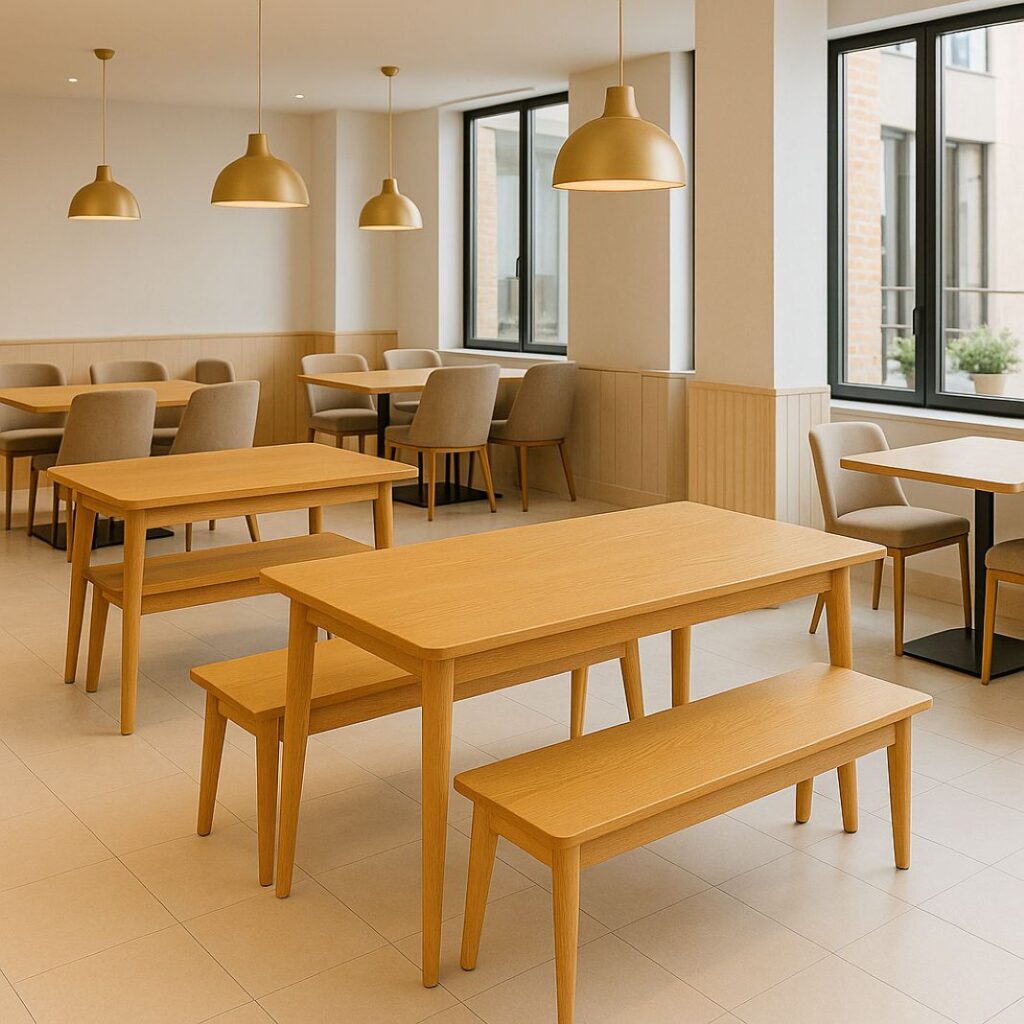
Table leg position plays a practical role in how well a table functions in any hospitality or commercial environment. From seating arrangements and foot clearance to table stability and layout efficiency, the way legs are arranged under the surface can influence everything. Whether the space is a pub, café, restaurant, shared office or co-working hub, thoughtful leg placement helps create a comfortable setting where guests or clients feel welcome. At Tablemaker, we build custom commercial furniture with solid oak frames that are designed with real-world usability in mind.

Why does table leg position affect space planning?

When choosing contract furniture for high-traffic interiors, it’s common to focus on table shape and finish while missing the importance of leg placement. Poor leg positioning restricts where chairs can go, creates awkward gaps and limits seating. Even a well-sized tabletop with badly spaced legs can reduce usable seating area.

For hospitality fit-outs where guest flow and capacity directly influence revenue, leg clearance and seating optimisation should be considered early. Every Tablemaker piece is constructed using traditional mortise and tenon joinery with sustainable solid oak. This gives us the flexibility to adjust leg spacing for each commercial floorplan, so the final piece works seamlessly in its setting.

Incorporating unique table leg formats like geometric metal structures or hyperbolic paraboloid bases, such as those developed by No Rock, can also help with uneven flooring and reduce table wobble in busy dining settings. These functional yet design-led options can play a major role in enhancing guest experience.

Pro Tip: If your space has uneven flooring, consider a self-stabilising or centre pedestal leg system for smoother use.

Pro Tip: Use AR planning apps or paper floorplans to test leg placement before ordering. This saves time and prevents bottlenecks in busy areas.

Smart leg positioning for better seating capacity

How far should table legs be from the edge?

For most commercial dining tables, legs should be positioned around 38 to 50 centimetres from each end of the table. This placement supports efficient guest movement, avoids knee obstruction and maintains comfortable spacing between diners. Legs fixed at the corners often look clean but reduce side seating.

Based on commercial fit-out experience:

  • A 120 centimetre solid timber table works well for four diners

  • A 180 centimetre layout fits six guests without crowding

  • A 240 centimetre oak table supports eight to ten, depending on leg type and chair width

Venues needing adaptable layouts often benefit from trestle or pedestal bases which improve access. To learn more about seating suitability and table dimensions, view our guide to selecting table sizes.

Matching leg design to layout and footfall

In restaurants and cafés, poor table design can cause circulation problems. When leg frames extend too far out or in, they limit both capacity and staff movement. Smart positioning opens up floor space and speeds up service flow. At Tablemaker, we provide guidance based on actual restaurant layouts. For tight areas near corridors or wall seating, narrower frames or centrally aligned leg options reduce congestion without sacrificing table stability.

Further useful reading:

Architectural Digest: No Rock Tables for Stability

Get Expert Advice on Table Sizes

Not sure what size or style fits your space best? Speak with our team directly.

Request a Trade Quote

How does table leg design affect strength and appearance?

Choosing a design that suits function and style

Leg style affects both how a table looks and how well it handles commercial use. From Scandinavian-style dining tables to industrial café furniture, the shape of the base influences structural support and interior design tone. We offer options such as square, tapered, splayed and hairpin legs. Each one distributes weight differently and suits different spaces.

For example, a 30 millimetre thick oak top sits best with square or tapered legs for balance. Smaller bistro tables benefit from slimmer supports, while shared workbenches or banquet seating require thicker base elements to prevent wobble and extend durability.

Design-led commercial interiors often look to incorporate statement leg styles that provide visual identity without losing practicality. Whether the focus is geometric design, industrial chic, or ergonomic functionality, leg shape can help reinforce a brand’s character.

Choosing the right material for daily use

We only use contract-grade solid oak for its grain definition, strength and surface resistance. Unlike veneered MDF or softwood options, solid hardwood withstands heavy usage. Our tables are treated with hardwax oil, which provides a long-lasting protective seal and brings out the natural tone of the timber.

If you are furnishing a venue with an existing palette or design scheme, we offer a range of oak samples to help you match finishes. This is especially useful for commercial interiors where branding and consistency matter.

Current trends in commercial table leg design

What materials and techniques are influencing modern furniture?

Designers and business owners are exploring fresh ideas in leg construction, particularly with digital prototyping. 3D printing is increasingly being used to model leg structures in lightweight metals or composite blends. While we continue to work with natural oak, we regularly adapt requests inspired by these emerging styles.

Clients also use Augmented Reality software to visualise room layouts and plan spacing. This helps decide whether a pedestal table or four-leg format fits better into the service flow. We are happy to work from floorplans produced using these tools to make sure your bespoke piece fits correctly and performs reliably.

Adjustable-height tables and reclaimed wood options are growing in popularity, particularly among environmentally conscious businesses and co-working setups. Our oak is always sustainably sourced, and we can advise on leg designs that meet the needs of adaptable or shared-use spaces.

Pairing sustainable leg materials with strong design aesthetics like industrial chic or contemporary minimalism is another growing trend. It aligns with brands that want to combine environmental awareness with interior style.

Why table leg placement matters for commercial clients

How does better leg placement improve usability?

Tables with correctly placed legs make better use of space. They give customers more room to relax and provide staff with clearer paths to serve guests efficiently. In high-footfall venues, this contributes directly to customer satisfaction, turnover speed and return visits.

A commercial table designed for proper chair spacing and layout flow improves every aspect of daily service. These practical choices influence how customers feel during their visit and how well the space operates during busy periods.

What should buyers look for in commercial tables?

Choose materials and techniques that stand up to commercial use. At Tablemaker, all of our furniture is built by hand in North London using solid oak, traditional woodworking and joinery that holds up long-term. We understand what hospitality and workspace venues need: reliable tables that look the part and perform well without the usual trade-offs.

If you are planning a refurbishment, opening a new venue or simply want a better layout from your furniture, we are ready to help. Visit tablemaker.co.uk to explore ideas, view our custom work and get advice from a team that knows both design and function.

Build the Perfect Table for Your Venue

Need tables that fit your layout and last? Let us help you design something that works and looks great.

Browse our furniture shop

Tablemaker

55 High St, London N8 7QB

02083416334

HVQM+58 London
 

Posted on

How Many People Can Sit Around a 180cm Table?

How Many People Can Sit Around a 180cm Table?

How many people can sit around a 180cm table comfortably?

A 180cm table typically seats between six and eight people, depending on its shape, width and the seating arrangement. A rectangular model that is 90cm wide allows three chairs along each side and one at each end. For a round 180cm table, eight people can sit comfortably, and up to ten in closer settings. UK recommendations suggest a space allowance of 60 to 70cm per person for practical and relaxed dining. This supports better movement and avoids overcrowding, whether you are hosting family dinners, restaurant service or planning an event layout.

Understanding Seating Capacity and Table Dimensions

What is the usable seating space on a 180cm table?

A 180cm table provides a versatile footprint that works well in medium sized dining areas. The actual number of seats depends on both the shape of the table and the type of seating. Larger dining chairs require more spacing, while benches and slimmer side chairs offer more flexibility.

  • Rectangular 180cm table: Ideal for seating six to eight people. With three seats on each long side and one on each end, spacing is usually adequate for family dining and hospitality settings.

  • Round 180cm table: Comfortably accommodates eight diners. Ten is possible in tighter arrangements, but serving becomes more difficult.

UK ergonomic standards favour a space allocation of 60 to 70cm per diner. This is particularly relevant for maintaining ease of movement and a clutter-free layout. Pairing these dimensions with compatible dining chairs or benches helps maintain ergonomic alignment and comfort.

Comparison of seating capacity by table shape

Table ShapeMaximum SeatsComfortable Seats
Rectangular86
Round108
Oval106 to 8

For further comparisons, the Tablemaker table shapes page provides visuals that illustrate spacing and layout options.

Pro Tip: Keep at least 30cm between guests for relaxed meals and space to pass dishes comfortably.

Pro Tip: Pair armless dining chairs with your 180cm table to increase comfort without sacrificing capacity.

Table Shape and Seating Psychology

How does table shape influence social interaction?

The shape of a dining table affects how people engage with one another. In UK households, rectangular tables are more common, especially in formal dining areas. Round tables promote an even distribution of attention and often suit smaller groups where conversation is shared more evenly.

Rectangular Tables

  • Help define long or narrow dining zones

  • Accommodate head and end seats for added seating

  • Provide clear layout lines for serving paths

Round Tables

  • Offer equal visibility and connection between diners

  • Work well in square rooms or open layouts

  • Encourage relaxed, informal gatherings

Oval Tables

  • Provide a similar capacity to rectangular designs with softened edges

  • Make narrow rooms appear more spacious

Seating density: UK vs Europe

European furniture layouts may provide less space per person, often allocating just 45 to 50cm. However, most UK households and venues prefer a looser configuration that supports extended dining without discomfort.

Can table shape influence customer experience in hospitality?

Hospitality studies show that round café tables often encourage longer visits and increased spending. Their shape creates a relaxed atmosphere and is associated with conversational ease and visual balance. These attributes help diners feel welcome and unhurried. For venues such as cafés and pubs, this can subtly increase table satisfaction and even customer retention.

For more guidance on shape and comfort, visit the Tablemaker shape and seating guide.

Further relevant reading material:

Plan Your Space with Confidence

Speak with our table planner to see exactly how a 180cm table fits in your room.

Request a Trade Quote

Group Dynamics and Social Comfort

Does guest count affect comfort and interaction?

Seating arrangements have a direct impact on group comfort. With six to eight people around a 180cm table, guests can comfortably maintain eye contact and engage in shared conversation. Larger groups around the same table size tend to result in fragmented discussion, especially with circular layouts.

Points to consider:

  • Space for movement: Each person should have enough room to move their chair without disrupting others

  • Serving efficiency: Sufficient space improves table service and reduces spill risk

  • Acoustic comfort: Balanced group size prevents echo and overlapping speech

Popular uses for a 180cm table

  • Family meal settings with space for passing dishes

  • Small restaurants or pubs optimising table turnover

  • Conference room layouts requiring open visibility

  • Wedding or event hire with flexible seating setups

  • Café furniture planning around fixed dining zones

Can table layout affect solo diners or group satisfaction?

Research shows that inter-table spacing and seating density influence how diners perceive comfort, especially solo guests. A 180cm table, when placed with appropriate spacing from neighbouring tables, can support both individual privacy and group interaction. Hospitality layouts using well spaced 180cm round or rectangular tables are often rated more favourably by guests.

To see 180cm tables in different settings, explore the Tablemaker 180cm dining table gallery.

Design, Space and Layout Considerations

How much clearance do you need around a dining table?

The surrounding space is just as important as the tabletop itself. UK interior design standards suggest a minimum of 70 to 90cm of clearance from the edge of the table to any wall or furniture. This ensures guests can slide out their chairs and move around freely without disruption.

Practical layout tips:

  • Bench seating: A practical alternative in tight kitchens or compact diners

  • Visual spacing: Mix round and rectangular tables to improve layout flow

  • Leaf extensions: Allow size flexibility for special occasions without needing a second table

For help planning your layout, try the Tablemaker online planner to map dimensions and movement space accurately.

Layout advice for events

Designers often prefer round 180cm tables arranged in clusters or staggered configurations. These patterns keep pathways open and make it easier for guests to engage. Long banqueting setups also work, provided table widths allow suitable spacing between seats and aisles remain open for servers.

Can a 180cm table support safe social distancing?

In commercial venues or post-pandemic layouts, a 180cm table allows flexible seat spacing that supports distancing guidelines without compromising functionality. Many venues are using hybrid seating models that pair standard tables with mobile partitions or layout staggering to maintain comfort and safety.

Choosing the Right Fit with Tablemaker

What makes a 180cm table the right choice?

A 180cm table fits comfortably in spaces that require a balance between functionality and style. At Tablemaker, our dining tables are built for daily use in real homes, restaurants and venues. Each design reflects ergonomic guidelines and user comfort.

Why people choose Tablemaker:

  • Tables are measured to align with British dining space requirements

  • Styles include round, oval and rectangular to suit different floor plans

  • Designed for long term usability in domestic and commercial environments

Is a 180cm table suitable for business and event use?

Yes, absolutely. A 180cm table works well in boardrooms, training areas and private hire venues. These tables offer enough surface space for materials, meals or technology setups while keeping the layout manageable. Sightlines and access pathways are maintained, supporting better guest or delegate interaction.

Plan with precision

Use the Tablemaker table planner to calculate spacing and seating arrangements before ordering. Visualise where chairs will go, check surrounding clearance and decide whether fixed or extendable models suit your needs best.

Explore the full range of made to measure 180cm tables and speak to our team for advice on matching seating, lighting and layout to your selected table.

Find Your Ideal 180cm Table

Browse our made to measure dining tables built for comfort, function and style.

Browse our furniture shop

Tablemaker

55 High St, London N8 7QB

02083416334

HVQM+58 London

 

Posted on

What Is the Ideal Height for a Desk or Dining Table?

What Is the Ideal Height for a Desk or Dining Table?

What is the ideal desk or dining table height in the UK?

Getting the height right can make a noticeable difference in everyday comfort and how your furniture fits your home or workspace. The correct table height supports posture, reduces musculoskeletal strain, and improves how you feel whether you’re working, dining, or studying. Standard height ranges offer a baseline, but they do not reflect the wide variety of body types and room designs across the UK.

At Tablemaker, we build solid oak tables measured to fit your exact preferences and needs. Whether you need a workstation for remote work, a solid dining table for daily use, or a tabletop for your café, we help ensure your table is the right height for you and your space. Choosing the right height improves legroom, supports neutral posture, and helps prevent long-term discomfort.

Why does table height matter so much?

Using a table that does not fit your body dimensions can cause shoulder tension, neck strain, poor circulation, and wrist fatigue. Many tables from furniture chains are manufactured at fixed heights, using veneered particleboard or mass-produced sizing that does not reflect ergonomic standards.

At Tablemaker, we customise tables to fit your needs. Our customers tell us that switching to the right height made daily use easier and more comfortable. Whether seated or standing, correct height ensures relaxed shoulders, parallel arms, and enough clearance to shift naturally in your chair.

Good ergonomics support your comfort during long sessions at the table. From productive home office setups to shared family dining, the correct table height plays a role in daily wellbeing.

How does table height influence productivity and wellbeing?

Standing desk research shows that adjusting height based on your posture can reduce lower back pain, improve focus, and support circulatory health. People who alternate between seated and standing workstations often report reduced fatigue and better alertness.

At Tablemaker, our customers have described improved concentration and mood after switching from standard desks to height-adjusted solutions. Using a solid oak surface also adds a tactile, calming quality, especially in high-focus environments like studies or creative work zones.

Pro Tip: Always match your chair height with your table height for optimal leg clearance and posture.

Pro Tip: Avoid deep table aprons if you regularly cross your legs or use ergonomic chairs with armrests.

What are the standard desk and dining table heights in the UK?

Common dimensions you can start with

Understanding the average furniture sizes used across the UK is a helpful place to begin:

Dining tables

Most dining tables measure approximately 75 centimetres in height. This allows them to pair well with dining chairs that have a seat height of 43 to 48 centimetres, creating suitable vertical clearance between your legs and the table surface.

Desk tables

Desk height usually ranges between 74 and 76 centimetres. This range supports neutral wrist angles and relaxed posture when used with an adjustable chair. These measurements are common in home offices and commercial desk setups.

Standing desks and bar tables

A standing desk typically measures between 95 and 110 centimetres depending on the user’s height. Ideally, your forearms should rest parallel to the floor with elbows bent at 90 degrees. Kitchen islands and bar counters often follow this guidance. Using ergonomic principles here can help reduce lower back fatigue.

What if the standard height doesn’t feel right?

Standard dimensions do not always match your unique posture, especially if you’re taller, shorter, or have specific seating preferences. You may find yourself leaning forward, lifting your shoulders, or struggling to cross your legs.

For shared spaces, hybrid office desks, or bespoke installations, Tablemaker adjusts furniture dimensions based on your needs. We use measurements provided by you and guide you through best practices for setting your ideal table height.

For more help with this, our how-to size guide includes diagrams and clear steps.

Unsure on Size? We’ll Help

Send us your measurements and we’ll work out the right height for you.

Request a Trade Quote

How do you find the right table height for your body?

Use your elbow height as a quick reference

Sit or stand with your arms bent at a 90 degree angle. Measure the distance from the floor to your forearms. This gives a personalised guide for desk or table height, useful when deciding between seated or standing setups.

Body-based height formulas for desks

Ergonomic assessments often use these formulas to estimate desk height:

  • Seated desk: height in centimetres multiplied by 0.24

  • Standing desk: height in centimetres multiplied by 0.53

For example, someone who is 170 centimetres tall would use a sitting desk around 41 centimetres high and a standing desk near 90 centimetres.

You can also compare multiple use cases in our quick table:

Table TypeStandard HeightIdeal Use
Dining Table75 cmMealtimes, family dining
Desk (Seated)74–76 cmWriting, computing, admin work
Standing Desk95–110 cmHybrid working, creative tasks
Child’s Desk46–60 cmStudy, drawing, school assignments

Common mistakes to avoid

One often missed detail is apron depth. The apron is the structural panel under many table surfaces. If it’s placed too low, it interferes with thigh clearance and can make sitting uncomfortable. Aim for at least 28 centimetres between chair seat and table underside.

Think about how you naturally sit. Do you tuck your feet under or cross your legs? These small habits influence how much clearance and surface reach you need. A table built to suit your posture and body language improves comfort.

Where do unique styles and cultural influences fit in?

A look at standing tables through time

Long before adjustable desks became popular, public figures like Winston Churchill and Charles Dickens used standing tables to support productivity and movement. These setups allowed them to shift positions and think clearly during long writing sessions.

Design influences across cultures

In Japanese homes, low wooden tables paired with floor cushions support shared meals and intimate conversation. Scandinavian design focuses on practical construction and clean lines. These influences have shaped modern table use and height preferences.

At Tablemaker, we blend these ideas into durable tables with UK-built quality. Our Scandinavian inspired pieces offer function with a minimalist appearance, while low-profile builds or high standing counters can be adapted for cultural or personal preference.

Children’s desks and student ergonomics

Studies show that a mismatch between student desks and children’s body proportions can affect focus and lead to poor posture. That’s why Tablemaker offers seated desk heights between 46 and 60 centimetres depending on age and seat height. Well-matched dimensions support better concentration, especially for long study sessions.

Fixed height or adjustable?

In shared workspaces or classrooms, adjustable furniture is useful. But for permanent setups at home, a custom fixed height often looks better and offers more stability. Our team helps you weigh the pros and cons based on your space and users.

Our desk top options include both fixed and adjustable variations.

Why choose Tablemaker for custom table heights?

Built from solid oak in London

Every table is constructed in our Hornsey workshop using high grade solid oak. Unlike veneered or laminate boards, solid oak lasts decades and can be refinished if damaged. This makes it a better long-term choice for busy homes or commercial settings.

Our tables are treated with hardwax oil. This protective finish repels spills while preserving the texture and colour of natural wood. It soaks into the surface, improving durability without adding plastic-like shine.

Simple design with flexible options

We favour Scandinavian design principles: clean shapes, smooth finishes, and balance between looks and usability. Our edge styles, leg options, and tabletop dimensions can all be adjusted. Whether you need a desk for a studio or a dining table for eight, we’ll help you measure and specify the right height.

Support from start to finish

We speak with customers daily about space planning, measurements, and how to choose the right materials. From families to interior designers, our customers appreciate the guidance we offer.

You can view some of our Google reviews to read their feedback and see how others have customised their tables.

Try before you decide

We offer solid oak samples and size recommendations so you can check the finish and scale before committing. If you have a question or want help measuring, just send us a message. We’re happy to offer advice before you order.

Further useful reading:

Design Your Table, Your Way

Not every table fits everyone. Let us help you build one that does.

Browse our furniture shop

Tablemaker

55 High St, London N8 7QB

02083416334

HVQM+58 London