
How to Choose Restaurant Tables That Last
How do you choose restaurant tables that last?
Choosing restaurant tables that hold up over time means focusing on commercial grade materials, functional design, ergonomic structure and spatial adaptability. Tables must withstand high footfall, hot serviceware, cleaning chemicals and frequent rearrangement. A carefully chosen table supports operational flow, enhances customer comfort and reinforces your interior branding.
In this article about restaurant tables, we have covered:
Tables That Shape Social Interaction
How does table shape affect customer experience?
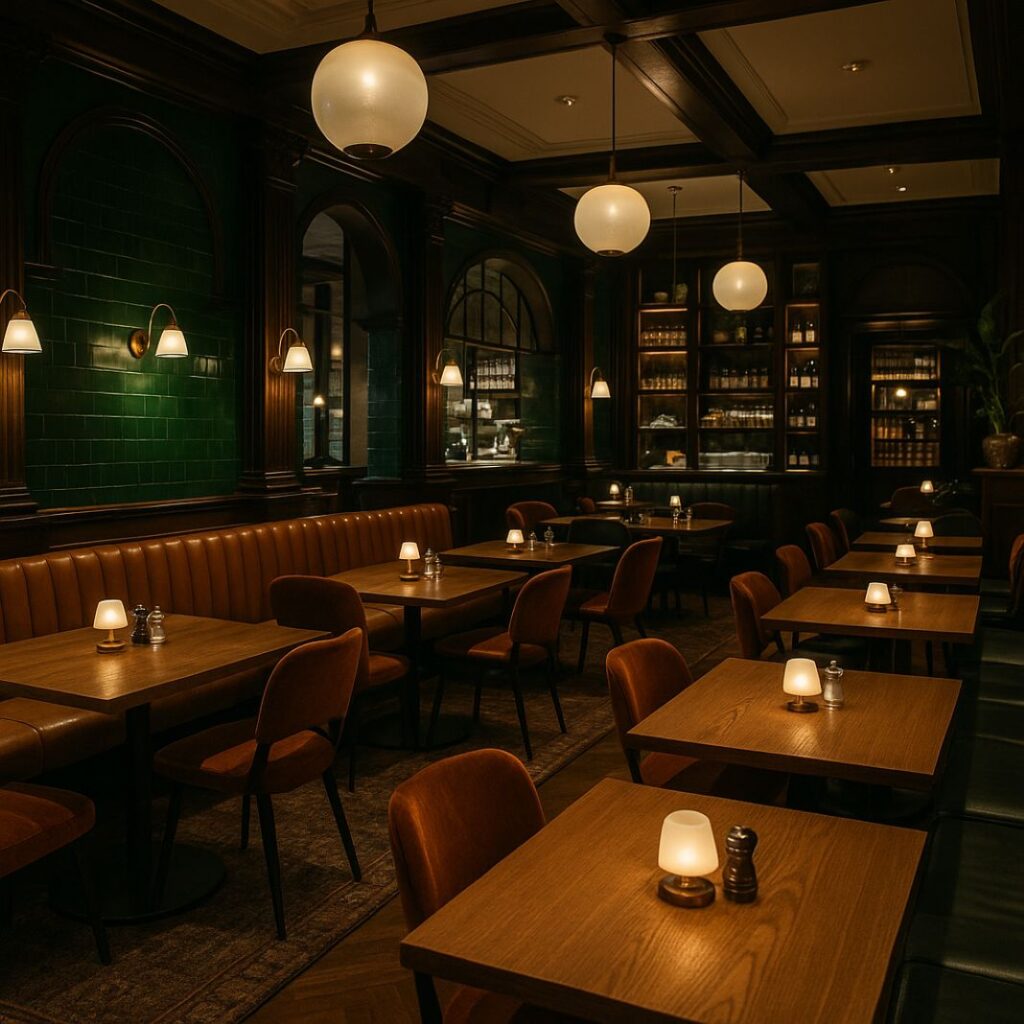
Table shapes influence conversation flow, spatial comfort and group engagement. Round, oval and hexagonal designs support inclusivity, making them ideal for group dining or communal café settings. Modular tables suit evolving layouts, letting you scale from two-person tables to banquet seating easily.
Smaller round tables are popular in quick service restaurants and cafés, while rectangular options are commonly used in casual dining to maximise floor space. Consider how each format affects visibility, accessibility and guest comfort.
Trends in Social Dining Design
Current hospitality design trends favour open layouts and sociable zones. Community tables, counter seating and shared benches offer both interaction and flexibility. High tops and standing tables are now common in bars and fast casual venues.
Thoughtful zoning supports different group sizes and moods, while modular restaurant furniture lets you switch layouts between lunch and evening service.
Pro Tip: Tables with hidden casters and modular sizing give you the flexibility to reconfigure layouts for private events or seasonal flow changes.
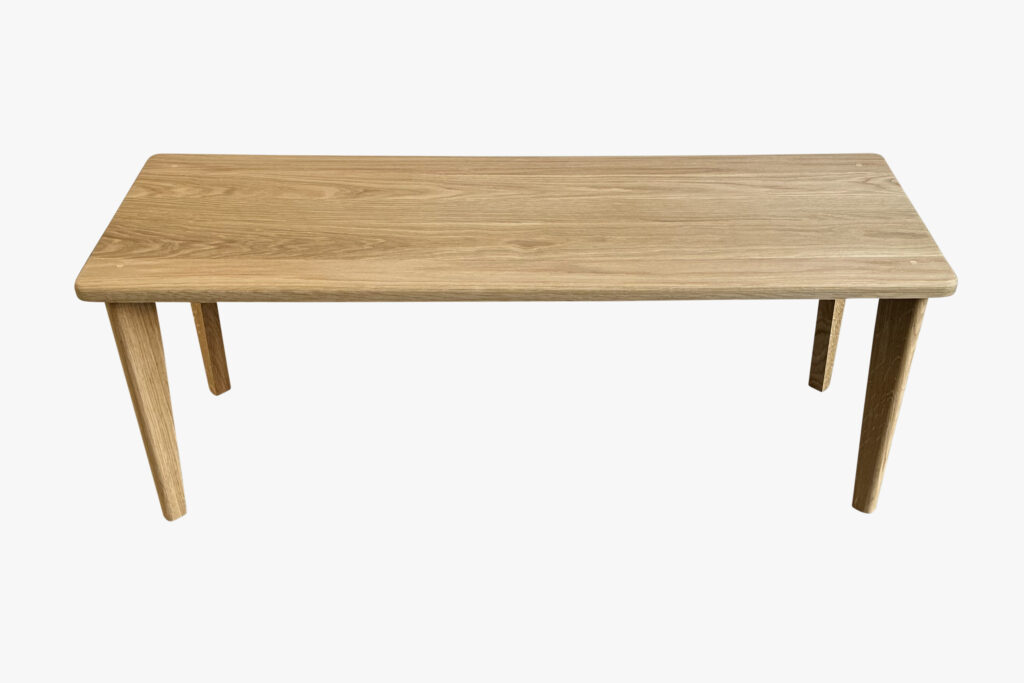
Pro Tip: Always match table materials with usage zones. For example, use compact laminate for high-traffic areas and softer woods in quieter, low-use zones.
Tables That Make a Statement
Which table designs help build brand identity?
Restaurant tables play a large role in visual storytelling. Materials like reclaimed wood, poured resin, terrazzo or live edge hardwoods offer both durability and design value. These features visually distinguish your space while reflecting your venue’s style and message.
One of the most unique approaches in sustainable restaurant furniture is the use of Full Grown trees—trees shaped over years to form furniture structures without cutting or joining. This method creates one-of-a-kind pieces with no waste and a powerful backstory. UK-grown furniture of this kind shows true design commitment and adds unmatched authenticity to interiors.
Some chefs have even started building their own tables from reclaimed materials that match the tone of their food. A table made from salvaged wood and finished with natural oil can align beautifully with a locally sourced, organic menu. These stories create stronger emotional bonds with customers.
Reinforcing Visual Identity
Tables with soft corners and earth tones suit casual bistros, while crisp finishes and geometric edges lend themselves to more formal layouts. Colour matched furniture can visually segment seating zones. Restaurant furniture choices should be consistent with overall interior design themes, down to the detail of table base shape or leg material.
Design Support for Hospitality Spaces
From layout planning to table sourcing—we help you get it right.
Call a Design ConsultChoosing Materials That Withstand the Test of Time
What are the most durable table materials for restaurants?
Tables in hospitality settings must be made from materials rated for high wear. Solid woods such as oak and ash remain popular for their longevity and aesthetic flexibility. High pressure laminate and compact laminate offer exceptional heat, moisture and stain resistance with easy maintenance.
Commercial grade stone surfaces like quartz and granite are ideal for high contact areas due to their scratch resistance and ease of cleaning. For metal bases, powder coated aluminium and stainless steel are excellent for strength and corrosion resistance.
For a deeper comparison of materials, this commercial furniture durability breakdown is a helpful resource.
Sustainability and Material Storytelling
FSC-certified timber, reclaimed scaffold boards, recycled aluminium and locally sourced stone help restaurants reflect environmental values. Highlighting the story of your materials builds connection and credibility. For example, showcasing tabletops built from timber reclaimed from local landmarks adds meaning to design.
Emerging sustainable materials like Polygood, made from post-consumer recycled polystyrene, offer new aesthetic options that support circular economy values. It’s now possible to source table tops that are Cradle to Cradle certified while still maintaining colour consistency and impact resistance.
Moisture tolerant, UV resistant and antimicrobial finishes reduce maintenance frequency while meeting food safety standards. Choosing such surfaces contributes to responsible procurement and supports lower operational costs.
Putting Comfort First With Ergonomics and Inclusive Design
What makes a dining table comfortable for all guests?
Tables should follow ergonomic guidelines for seat clearance, leg space and height. The UK standard dining height is approximately 76 centimetres. Chairs should allow 30 centimetres between the seat and table top to maintain posture alignment.
Rounded corners help avoid injury and improve comfort, especially in tight spaces. Weighted bases prevent wobbling and keep furniture in place on uneven floors. Choose options that support wheelchair access and offer flexibility for parents with pushchairs.
Enhancing Dwell Time Through Design
Acoustic absorbent surfaces and upholstered chairs help soften ambient noise, making conversations more enjoyable. Non-glare, low sheen finishes create a more welcoming table surface. Layouts with breathing room between tables give guests a sense of privacy without isolation.
These choices support longer stays and improve perceived comfort. For more on pairing surfaces and chairs effectively, read our feature on restaurant table and chair combinations.
Flexibility and Future Proofing With Smart Design
How can restaurant tables support changing service needs?
Restaurants often switch layouts to accommodate groups, events or delivery packing. Modular tables, nesting sets and lightweight moveable designs provide maximum layout control. Features like adjustable legs and hidden casters also make room reconfiguration quick and simple.
Flexible table heights, such as those suited to bar service or banquette seating, help maximise every area of the restaurant. Table options should reflect different usage zones without disrupting visual harmony.
What are the latest restaurant table trends including tech and communal layouts?
Restaurants across the UK are integrating wireless charging pads, tabletop ordering tablets and LED indicators to streamline service. These upgrades improve guest convenience and support contactless workflows.
AR-enhanced dining is also gaining interest. Research from immersive dining venues abroad shows that augmented reality projected onto tables can change mood, improve engagement and even influence meal pacing. While still early for the UK market, some restaurants are experimenting with AR menus and ambient projection setups.
Communal tables are being embraced in casual dining, cafés and even fine dining spaces. These long tables increase capacity, support shared experiences and often improve turnover. Smart spacing between diners keeps things comfortable while maximising seating density.
Final Thoughts
Selecting restaurant tables involves more than matching colours and shapes. The right tables reflect your concept, hold up under daily use, support efficient service and create a comfortable environment. Focus on commercial durability, material performance, comfort and layout flexibility to make a long-term investment that works across every service.
Upgrade to Commercial Grade Today
Shop high-performing tables that handle everyday restaurant use.
Browse our furniture shop
Tablemaker
55 High St, London N8 7QB
02083416334
HVQM+58 London