

Why are London cafés choosing solid wood tables to stand out from chain coffee shops?
London cafés often use solid wood tables to create a stronger sense of place, improve durability, and make better use of awkward spaces. In a crowded market where many interiors feel familiar, real wood gives independent venues a clear visual identity and a surface that can age, be repaired, and remain in service for years.
Table of Contents
The London Café Landscape: Independent Identity Versus Chain Uniformity
Across London, café design carries more weight than it once did. Customers notice lighting, seating, sound levels, and table layout almost as quickly as they notice the coffee itself. In busy high streets and residential neighbourhoods alike, the room has become part of the overall experience.
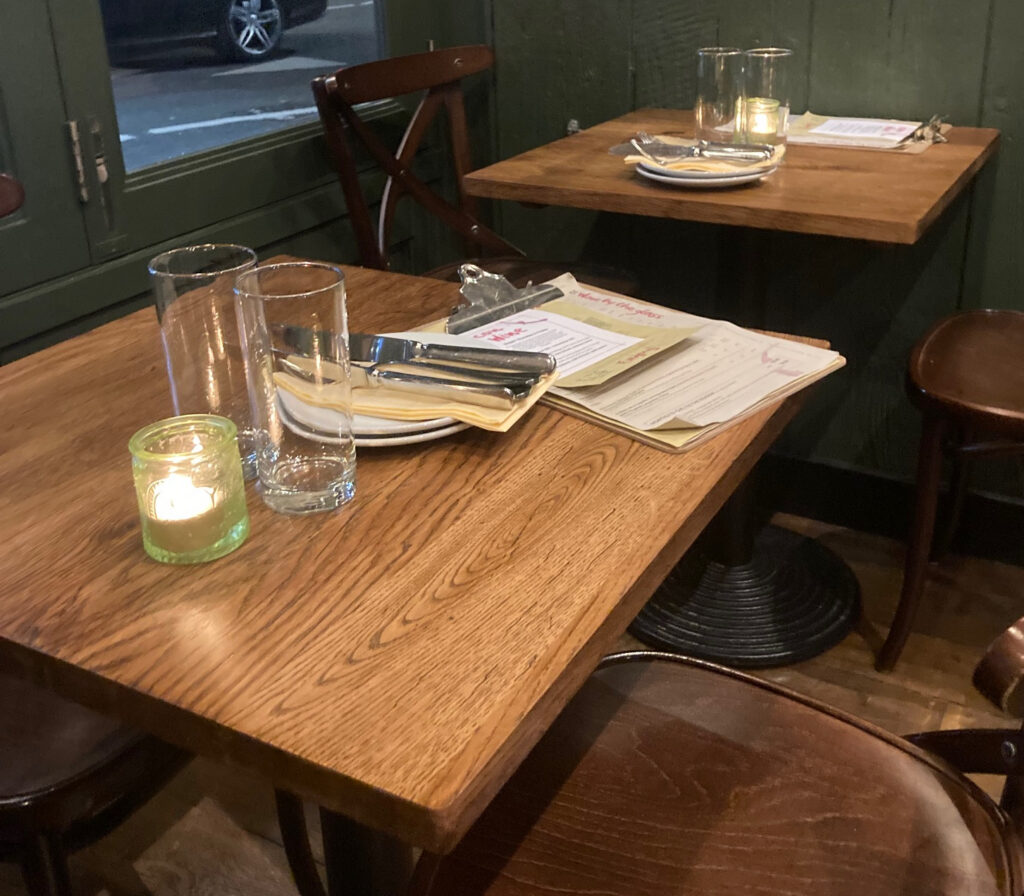
Chain coffee shops tend to favour consistency because consistency makes operations simpler across multiple sites. Familiar layouts, repeatable finishes, and standard furniture help create a recognisable setting, whether the branch sits near a station, an office block, or a shopping street. That approach suits scale, but it can also produce interiors that feel interchangeable.
Independent cafés usually work from a different starting point. A corner site in Stoke Newington, a narrow unit in Soho, or a former shop in Crystal Palace each asks for different decisions about flow, seating, and atmosphere. Owners looking for chain coffee shop alternatives often focus on tangible details that customers can see and use, including table materials, proportions, and how the furniture fits the room. In that setting, the table is part of the identity, not a background item.
Material honesty: why solid wood tables signal authenticity
Solid wood has a presence that manufactured surfaces often struggle to imitate. People notice it through touch as much as sight. A hardwood top has weight, variation, and a natural grain pattern that reads as genuine because it is genuine.
That matters in café atmosphere. Customers may not stop to analyse the table in front of them, yet they tend to register whether a surface feels substantial or temporary. Real wood furniture can suggest care in the choices behind the room, especially in a market where many hospitality spaces rely on standardised finishes.
A simple comparison shows why the difference is felt so quickly:
- Solid wood shows natural grain variation and can be refinished if the surface becomes tired.
- Veneer can offer a neat appearance, but damage may be harder to repair depending on thickness and construction.
- Laminate is practical in many settings, though it usually delivers a more uniform tactile experience.
Some owners assume wood is too delicate for commercial use. In practice, that depends on species, build quality, and finish, along with how the café is run day to day. A well-made solid wood café table is not precious furniture for occasional use. It is a working surface that gains character through service, including the faint marks and soft sheen that come from constant contact with cups, plates, and hands.
Pro Tip: Specify a finish like hardwax oil for easy on-site maintenance and simple refinishing when needed.
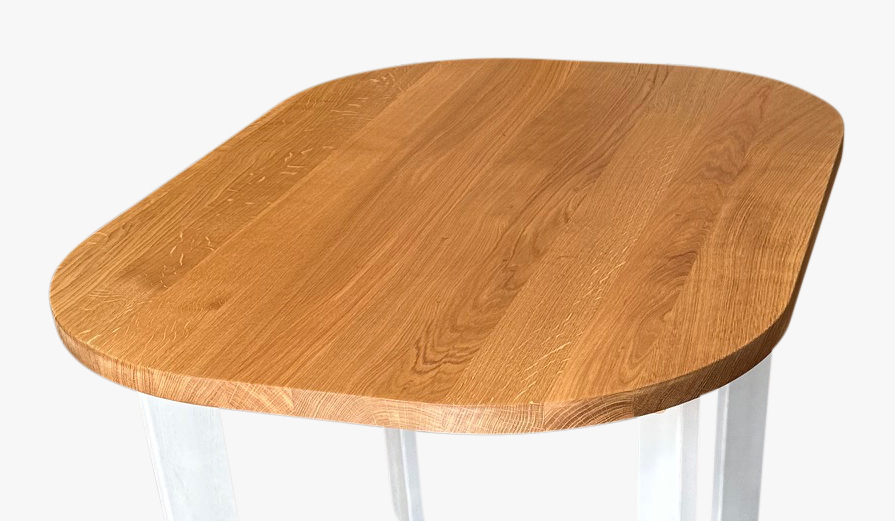
Pro Tip: Order made-to-measure tables to maximise usable space and improve customer comfort in irregular café layouts.
Bespoke sizing and fit: adapting tables to unique café spaces
A London café rarely gets a simple rectangular shell with generous circulation space. Older buildings, tight frontages, alcoves, radiators, columns, and uneven walls can make off-the-shelf furniture feel like an awkward compromise from the first day of trading.
Imagine a small neighbourhood café with a narrow central aisle, a window ledge on one side, and a recessed back corner that never quite works. Standard tables might leave one area cramped and another underused. Made-to-measure tables allow the owner to adjust width, depth, and shape so the room works properly for both staff and customers.
Workshop-led makers such as Tablemaker are often brought into these decisions when a venue needs a top built to exact dimensions or made to suit an existing base. That can be especially useful where floor plans are constrained by building regulations, service routes, or the need to keep wheelchair access practical.
A few sizing considerations usually shape the outcome:
- Circulation space for staff carrying trays and customers moving between seats.
- Table depth that suits cups, plates, and laptops without crowding the room.
- Corner conditions, wall setbacks, and fixed features such as radiators or joinery.
Shape matters as much as size. Round tops can soften tight corners and improve movement in compact rooms. Narrower rectangular tops may suit window seating. Banquette areas often benefit from bespoke dimensions because a difference of a few centimetres can decide whether a seat feels relaxed or cramped.
Good café layout solutions do not have to look obviously custom. In many cases, the best result is the one that feels natural, as if the furniture belonged to the room from the start.
Durability and maintenance: meeting the demands of busy service
Café tables work hard. They deal with heat, spills, repeated wiping, dragged crockery, laptop corners, takeaway bags, and the daily friction of constant turnover. Any material used in that setting needs to cope with routine use rather than showroom conditions.
Solid wood can suit that pressure well because wear does not automatically mean replacement. A scratched or dulled surface can often be cleaned, lightly sanded, and refinished, depending on the construction and the extent of the damage. That repairability changes the long-term picture in a commercial setting.
Finishing matters here. Hardwax oil is commonly used on solid wood tops because it protects the surface while keeping the timber repairable. Instead of forming a thick plastic-like layer, it allows local maintenance in a way many owners find practical. Tablemaker uses hardwax oil on many of its tops for exactly that reason, particularly where the piece is meant for regular use rather than display.
Several maintenance points are worth keeping in mind:
- Daily cleaning should follow the finish guidance and avoid harsh products that can strip protection.
- Standing water should be wiped promptly, especially around joins and edges.
- Periodic refresher coats may be useful in high-traffic hospitality settings.
- Small marks can often be treated before they turn into larger surface problems.
The common objection is that wood marks too easily. Any table surface used every day will show some wear. The real distinction lies in what happens next. With many mass-market alternatives, visible damage means living with it or replacing the top. With solid wood, refinishing wood tables remains an option, which changes both lifecycle cost and the amount of material sent out of service.
Start Your Bespoke Table Project
Discover how a custom solid wood table can transform your café space and customer experience.
Request a ConsultationVisual impact: creating a memorable customer experience
A table sits directly within the customer’s field of view for the length of the visit. That fact gives it an unusual influence over how a room is remembered.
Wood grain tables bring variation into a space that might otherwise feel flat. One top may show long, clean lines, while another carries knots, colour shifts, or a softer figure. Those differences create visual warmth without relying on decorative clutter, and they often work well with the restrained palettes common in café interior design.
Interior designers often use timber surfaces as anchors within a room. Pale oak can brighten compact spaces with limited natural light. Richer tones can add weight in larger venues that need grounding. A matte finish usually feels calmer than a glossy one, particularly where daylight and pendant lighting sit close to the surface.
Uniform furniture can make a room appear tidy and controlled, which suits some concepts. Natural variation does something else. It gives customers small visual cues that feel less repeated and more specific to that café. Over time, those cues contribute to customer recall in a subtle way. Someone may forget the exact wall colour, yet remember the warm wood tables by the front window or the large communal top at the back that became part of the venue’s signature look.
That kind of memory rarely comes from a single design gesture. It grows from repeated contact with materials that feel considered and coherent.
Sustainability and longevity: reducing waste in hospitality design
In hospitality, sustainability often comes down to lifespan as much as sourcing. Furniture that stays in use for longer creates less disruption and less waste than furniture that needs regular replacement because the surface has failed or the look has dated too quickly.
Solid wood supports that longer view because it can be repaired, refinished, resized, and in some cases adapted for a different use. A café that changes layout might reuse an existing top on a new base. A worn communal table can be sanded back and returned to service. That repair culture matters in commercial interiors, where hard use usually tests materials quickly.
Responsible sourcing also plays a part. Sustainable timber certification, including FSC where applicable, can help buyers understand the origin of the material. Even so, the environmental case is strongest when good sourcing is paired with long service life and practical maintenance.
One way to think about the lifecycle is this:
- Timber is selected and made into a table suited to the space and level of use.
- The table enters daily service and develops surface wear over time.
- The top is maintained, refreshed, or refinished instead of discarded.
- The piece remains in use longer, which reduces replacement frequency.
UK waste regulations and wider repair and reuse initiatives have made more businesses think about disposal in a broader way. For cafés, that does not have to mean chasing perfect environmental credentials in every category. Sometimes the soundest decision is simply choosing a table that can still be working years later, with the marks of service addressed by maintenance rather than a skip.
Beyond the surface: rethinking value in café furniture choices
Tables are easy to treat as background equipment because every café needs them and every customer uses them. Yet they shape more than seating capacity. They affect movement, noise, visual tone, maintenance demands, and the sense of permanence a room gives off.
Short-term buying decisions often focus on immediate cost or speed of installation. Long-term café design asks a different set of questions about how a piece will wear, whether it can be repaired, and what it quietly communicates about the business. In that light, investing in café tables becomes less about decoration and more about operational judgement.
London cafés that choose solid wood are often making a practical statement as much as an aesthetic one. They are choosing surfaces that fit their space, stand up to regular use, and leave customers with a clearer impression of where they have been. In a city full of familiar interiors, that kind of distinction is hard to fake and easy to recognise.
Browse Durable Café Furniture
See our range of handmade café tables crafted for commercial longevity and style.
View Collection
Tablemaker
55 High St, London N8 7QB
02083416334
HVQM+58 London