Solid wood vs veneer: which is better?

Solid wood vs veneer furniture: which is better?

Veneer is real wood, and on the right piece it is a smart choice. For a dining table or desk you use every day, solid oak is the better buy. It can be sanded back and refinished for decades.

Get a solid oak table price

Free and without obligation.

Made by hand in our North London workshop. Rated 5.0 on Google. 12-month workmanship guarantee.
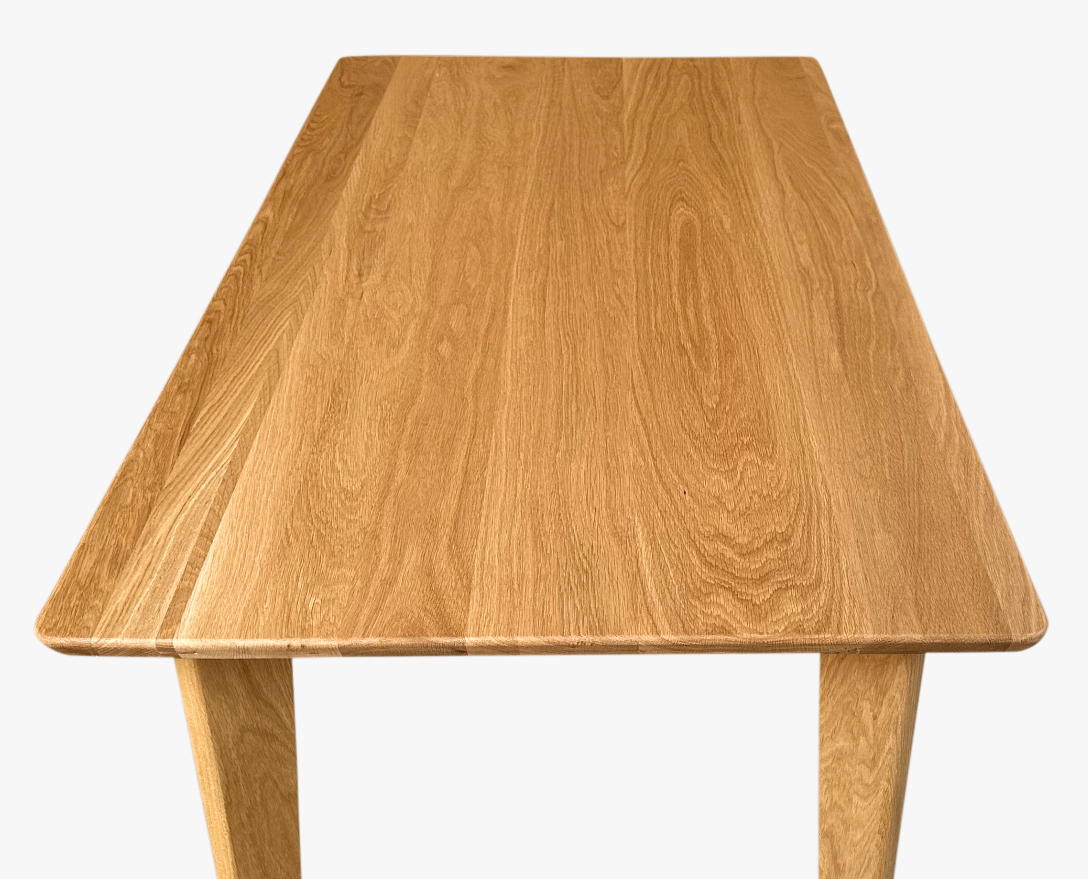
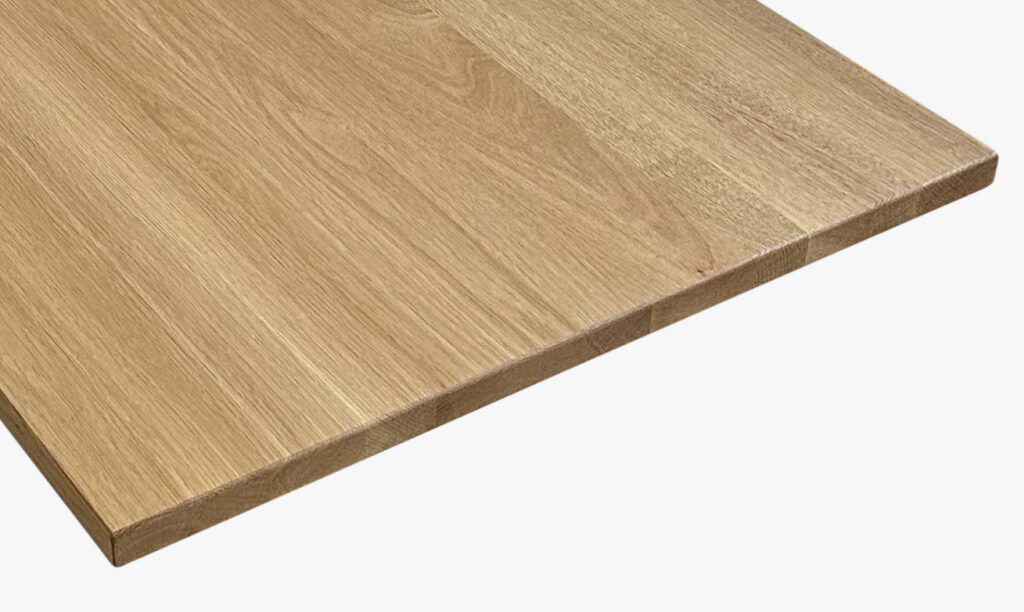
Prime full-stave solid oak table top with long boards and minimal knots

The short answer: solid wood for tables, veneer for panels

Solid oak vs oak veneer is a question of where each one earns its place. Both have a proper home in a well-made room. This guide shows you where each belongs, and how to spot which one you are looking at.

Solid wood vs veneer comes down to the job the piece has to do. Veneer is a thin slice of real wood glued over a board. It suits wardrobes, cabinet doors and big panels. At Tablemaker we build dining tables and desks in solid oak, because a solid top can be sanded and refinished again and again.

Solid oak earns its place on Dining tables and desks
Veneer earns its place on Wardrobes, cabinet doors and big panels
under 1mm

The usual thickness of a wood veneer.

Is oak veneer real wood?

Yes. Oak veneer is a thin slice of real oak, usually less than 1mm thick, glued onto a board such as MDF (medium-density fibreboard), plywood or chipboard. The surface you see and touch is genuine oak. The body under it is a board.

Solid wood is built another way. It is made from solid timber all the way through, so the grain you see on top carries on inside the board.

Think of it like this. Solid oak is a thick piece of oak. Veneer is a fine slice of oak laid over a supporting base. Both start in the same tree, and the difference between solid wood and veneer furniture comes down to thickness, how the piece is built and what it is built for.
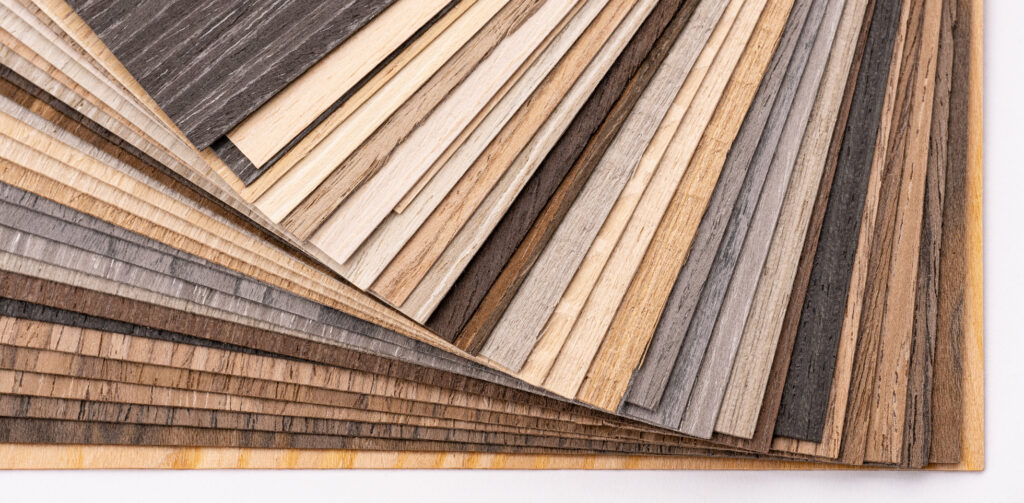
Stack of thin wood veneer sheets, each less than a millimetre thick
Veneer: a slice of real oak under 1mm thick, glued to a board.
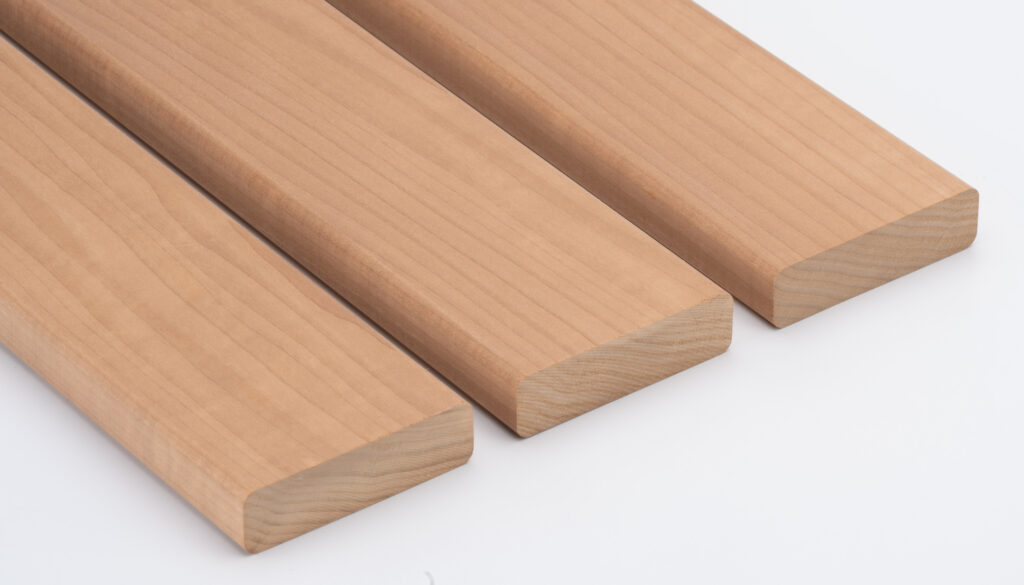
Solid oak boards in the workshop, the same wood all the way through
Solid oak: the same wood all the way through.

Why an oak table can turn out to be oak veneer

Most of the mix-ups start with the product listing. A listing may say oak table, oak dining table, real wood table or oak finish. Only the full specification shows that the top is oak veneer over MDF or plywood.

Most people expect cheap furniture to be made from boards. Fewer expect veneer at higher prices. John Lewis sells oak veneer dining tables alongside solid oak ones, and Heal's sells tables made from a mix of solid oak and oak veneer. That is often a sound technical choice, and Heal's itself points out that veneer is less likely to warp.

Two phrases need a second look. Solid wood construction can mean boards are hidden in the body of a piece. Solid oak in a product title can describe the legs or frame, while the top is veneer. Read the materials list line by line, and ask in writing about the top.

What engineered oak and other oak labels really mean

Solid oak, engineered oak and oak veneer furniture all show real oak on the surface. Oak effect can show little or no oak at all. Here is what each label puts in your home.

Solid oak

Oak all the way through

Many people picture a solid oak table cut from one huge piece of wood. In fact, most solid oak tops are made from several boards joined edge to edge. Wide boards with no flaws are rare and costly. Every part is still solid oak, all the way through.

Engineered oak

Real oak on a steady core

Engineered oak usually means a layer of real oak glued to a steady core, such as plywood or MDF. It gives the look of solid wood on a board that barely moves.

Oak veneer

Real oak face, board core

Oak veneer is a thin layer of real oak glued to a board. The face is real oak. The core is a board.

Oak effect and laminate

Little or no real oak

Oak effect usually means a printed or plastic surface made to look like oak. Laminate is layers of paper and resin pressed into a hard plastic sheet, then printed with a grain pattern. It can look like oak while holding very little real wood.
End grain on a solid oak table top showing the growth rings
Solid oak: end grain on the table top, showing the growth rings.
5

checks that work in a shop or on a good product photo.

How to tell if a table is solid wood or veneer

A few quick checks will usually tell you if a table is solid oak or veneer. Look where the maker had to finish an edge, because that is where the truth shows. These five checks work in a shop and on good product photos.

  1. 1Look at the ends of the top. Solid wood shows end grain, the ring pattern you see on a cut log.
  2. 2Look along the long edges. A veneered top often has a thin strip called edge banding, with the grain running sideways along it.
  3. 3Check the underside. On solid wood, the grain underneath matches the grain on top. A plain board or a different colour points to veneer.
  4. 4Look inside any hole. Screw holes, cable holes and chips show the core. The same wood grain means solid. Pale pressed board or thin layers mean veneer.
  5. 5Ask in writing. Ask the seller: is the top solid oak all the way through? A clear written answer protects you.
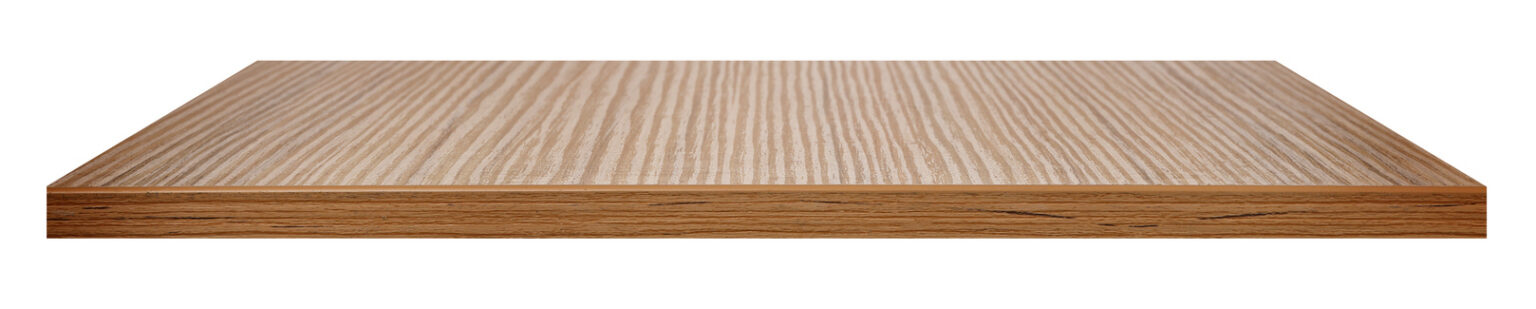
Veneered table top edge with banding and grain running sideways, a sign of solid wood vs veneer
Check two, up close: edge banding with the grain running sideways, which means a veneered top.

Weight is a useful clue as well. A heavy table can still be chipboard under a veneer, so trust the edges and the underside first.

Where veneer is the better choice, and why makers use it

In the veneer vs solid wood debate, veneer wins on three things: it stays still, it looks even, and it opens up rare woods. That is why it appears in the finest interiors, and why good makers use it on purpose.

Stability

Why doors, drawer fronts and big panels are veneered

Solid wood grows and shrinks a little as the air gets drier or damper through the year. Good makers plan for it. Plywood and MDF move far less, which makes veneer a strong choice for cabinet doors, drawer fronts, large panels, built-in furniture and some extending tables.

Consistency

Matching grain across a whole run of cabinets or a long table

Veneer lets a maker match the grain across a whole run of cabinets or a long meeting table. Doing that in solid wood would be hard and very costly.

Rare woods

Burls and figured timbers you cannot buy as solid boards

Some woods are too rare, too costly or too lively to use as solid boards. Walnut burl, Macassar ebony, zebrawood and figured maple are mostly sold as veneer. One log can then cover dozens of pieces instead of just one.

Fine interiors

Hotels, offices and yachts, where veneer is the technical answer

Walk into a smart hotel, a fine office or a yacht. Many of the wood surfaces you admire there are veneered. There, veneer is chosen because it is the best technical answer.

We use it this way ourselves. All our standard designs have solid oak tops. For custom work we also build in birch ply, and we can veneer it with a wood such as walnut on pieces up to about 120cm x 60cm.

Budget veneer and premium veneer are different products

Veneer runs from throwaway to heirloom. The core and the skill of the maker decide which one you get.

Thin veneer, chipboard core

Budget veneer

At the low end, veneer is mainly a way to save money in the factory. Expect thin veneer, chipboard cores, plain edge strips and simple finishes. These pieces can look lovely when new. They tend to tire under years of heavy daily use, so they suit rooms where they get gentle use.

Matched leaves, a specialist tool

Premium veneer

Good veneer is a whole other thing. Makers select leaves cut in order from one log and lay them out by book matching, slip matching or sequence matching. This creates flowing grain patterns that solid boards could never give you. Here, veneer is a specialist design tool.
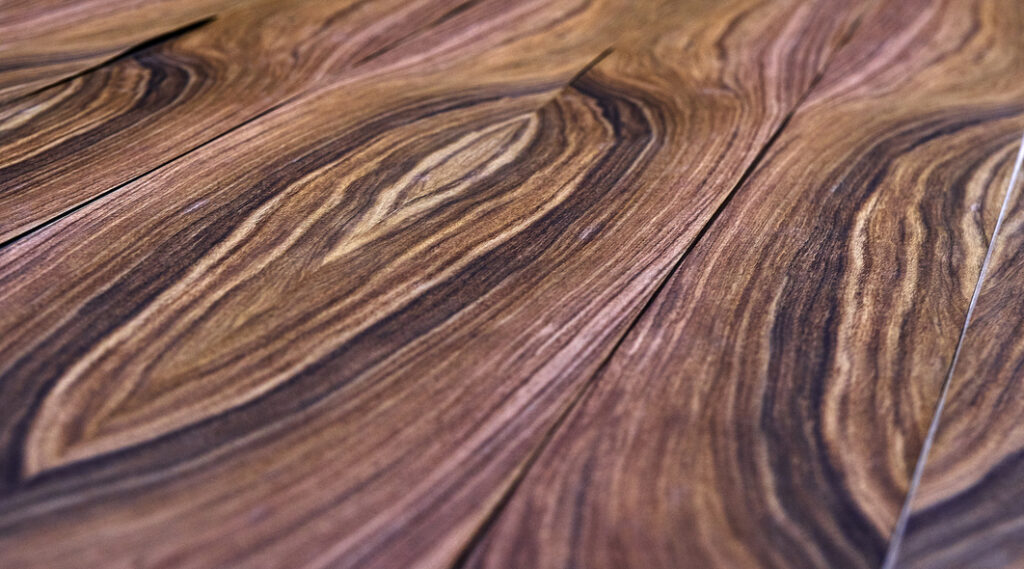
Bookmatched wood veneer with mirror-image grain from one log
Bookmatched wood veneer with mirror-image grain from one log.

A quick check: veneer on plywood is stronger and steadier than veneer on chipboard. It holds screws better too. A screw in chipboard or MDF can lose its grip once it has been taken out and put back.
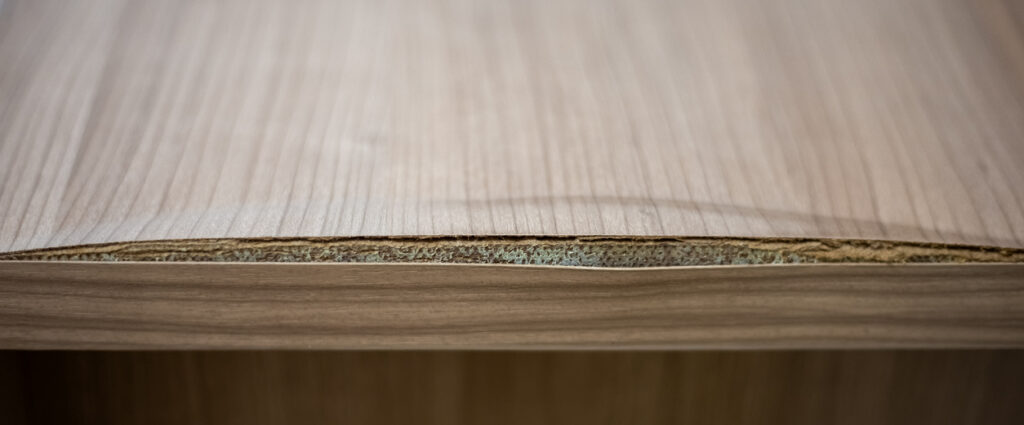
Chipped veneer on a table edge showing the board core underneath
Where it starts: chipped veneer on a table edge, showing the board core underneath.

How veneer and solid oak age on a busy dining table

Is oak veneer durable? Well-made veneered pieces can last many years. How long depends on the build, how thick the veneer is, the finish, the room and how hard the piece is used.

Veneer over time

Chips, lifting, and the swelling risk in the core

On a solid wood vs veneer dining table, the edges tell the story first. A knock on a corner can chip the thin veneer and show the board beneath. Poor glue or damp can make veneer lift and peel, or rise in small bubbles.

The biggest risk is swelling. Once water gets into an MDF or chipboard core, the board puffs up and is hard to put right. A solid top has no core to swell, which is why it copes so much better.

Solid oak over time

Dents, scratches, seasonal movement, and why each can be worked out

Solid oak wears in a way you can put right. Heavy knocks can dent it, sharp things can scratch it and the finish slowly wears thin. It also moves a little with the seasons. A well-made table allows for this, and straightening bars under larger tops help keep them flat. Every one of these marks sits in solid wood, so it can be worked out.
Which is easier to repair, solid wood or veneer?

Solid wood is far easier to repair. A solid oak top can be sanded, refinished, patched and even rejoined. Even heavy marks can often be taken out for good.

Veneer can be mended, but it takes a skilled hand and a matching piece of veneer. Heavy sanding can cut straight through a layer thinner than 1mm. So a veneer repair tends to cost more and show more. A solid top gives a repairer far more wood to work with.

From our own bench

We see the difference on our own bench. A solid oak Heal's extending table came to us badly marked by water. It had been stored somewhere damp during building work.

We sanded and refinished the top, cut it shorter for a new room and reworked the slides for its extra leaf. The customer then ordered a matching bench. You can see a water-damaged Heal's table we sanded back and shortened. If you own an oak table already, here is what sanding back an oak table involves.

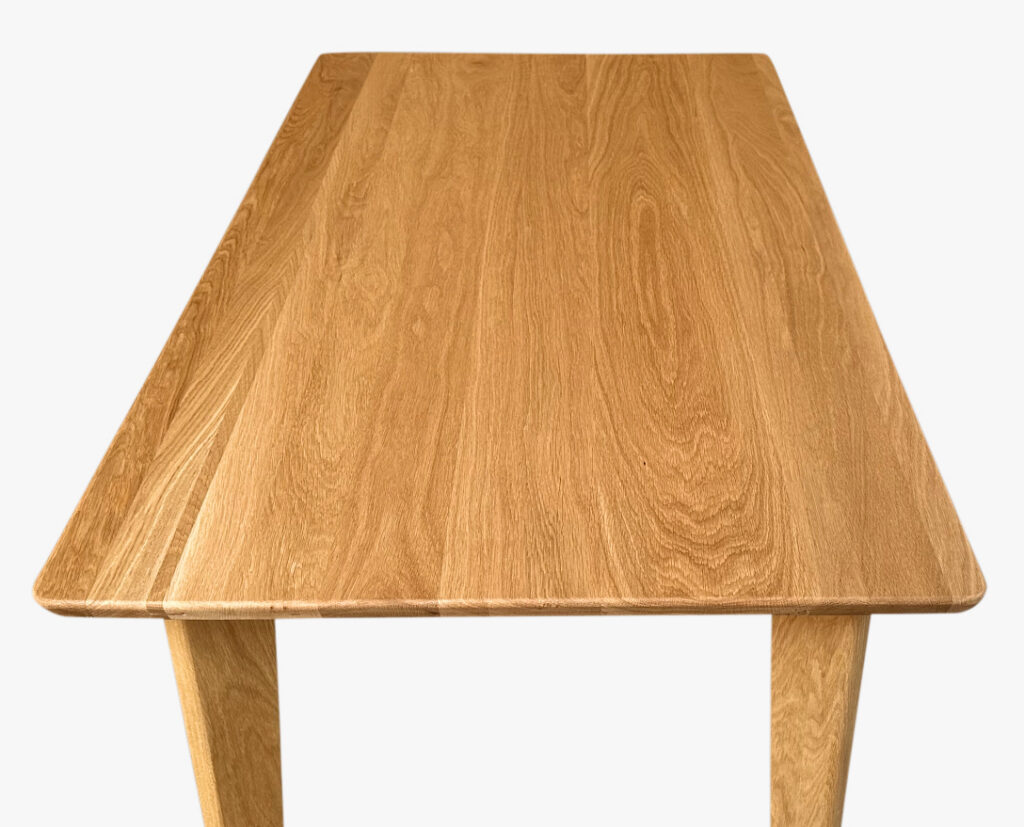
Prime full-stave solid oak table top with long boards and minimal knots
Prime full-stave oak: long boards running the length of the top, with minimal knots.

Most of our tables are prime full-stave oak, and here is why

Every one of our standard designs has a solid oak top, and most are prime full-stave oak. Full-stave means each board runs the full length of the top, so the grain flows unbroken from end to end. Prime grade means very few knots or defects.

You get fewer breaks in the grain, a cleaner look and better colour match. Oak also has crown grain and fine silver flecks called medullary rays. They give the surface real depth. We make every top to order in 1cm increments at our North London workshop, in 24mm or 30mm oak as standard.

This is the oak your table is made from, cut to the centimetre for your room.

Price your oak table

Free and without obligation. Prefer to feel the wood first? Order a solid oak sample.

£800 to £1,000

What most of our solid oak dining tables cost.

Most of our solid oak dining tables cost £800 to £1,000

That puts them level with mid-range high street prices, where many tables at the same money are oak veneer. Solid oak costs more to make, and over its life it often costs less, because it gets restored instead of replaced. You can see real workshop prices for our oak dining tables by size and model.

For dining tables, desks and coffee tables that get heavy use, we think solid oak is the better buy in the long run. A veneered table may one day need to be replaced. A solid oak table can be put right again and again, so it lasts far longer.

Every table has our 12-month guarantee on the work. Its hardwax oil finish can be topped up years later, with no need to strip it back.

On a budget? Put the money into the table top

If money is tight, prioritise the top. A solid oak top on a simple base is money well spent. It beats a fancy base under a weaker top.

There is plenty of room between cheap flat-pack and very pricey designer pieces. That is where many small makers work. You get good wood, good work, fair prices and sizes that fit.

If you want a table to last 20 years or more, put solid wood, good joinery, repairability and a durable finish first. The finish will need refreshing along the way, and on solid wood that is a simple job.

Solid wood and veneer questions our makers get asked

Six questions we are asked most often about solid wood, veneer and which one belongs where.

020 8341 6334

Is oak veneer good quality?

It can be very good. It depends on the core, how thick the veneer is and the skill of the maker. Good veneer on plywood is stable and beautiful. Thin veneer on chipboard is built to a price, so check the core before you judge the grain.

Should bedroom furniture and sideboards be solid wood or veneer?

Either can work well. Wardrobes, sideboards and bedroom storage have large flat panels and doors, where good veneer over plywood stays straight and stable. A bed frame, like a dining table, takes more knocks and does well in solid timber.

What is the difference between veneer and laminate?

Veneer is real wood. Laminate is paper and resin pressed into a hard plastic sheet, then printed with a wood pattern. It can look like oak and hold very little real wood.

Can you sand a veneered table?

Lightly. The real wood layer is usually under 1mm, so light marks can be buffed out, but heavy sanding soon reaches the board. A solid oak top can be sanded back to fresh timber many times.

Is a solid wood or veneer desk top better on a standing desk?

For a desk you lean on and use all day, solid wood takes the wear and can be refinished later. Our guide to solid wood and laminate tops for sit-stand frames compares the choices in detail.

Is it worth buying a solid wood dining table over a veneer one?

For a table you eat at every day, yes. It costs more at the start, and because it can be repaired and refinished for decades, it can be the cheaper choice over its life.

The simplest tables are the hardest to get right

The pieces that impress us most are often the simplest. A table with clean lines, careful details and fine wood is harder to get right than a fussy one. Every choice is on show.

Small decisions carry the result: the edge profile, the leg angle, the timber, the finish colour and the proportions. When they work together, a simple table feels timeless.

So the real question is where each one belongs. For cabinets, wardrobes and big panels, good veneer is a fine answer. For the table at the centre of daily life, solid oak is the one we would choose every time.
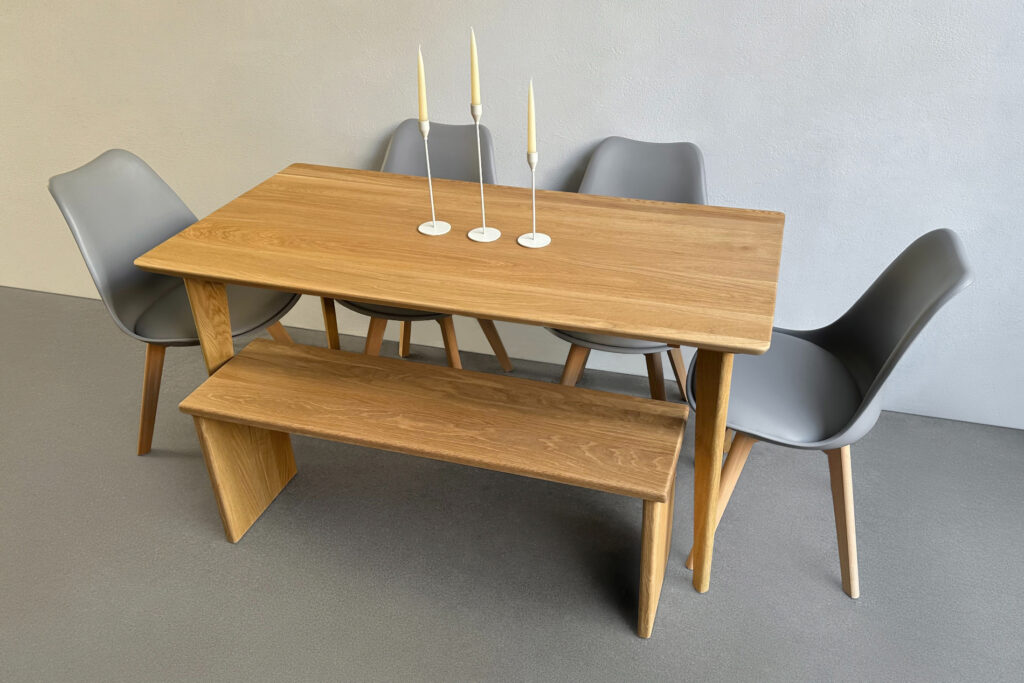
ATO 55 solid oak dining table with a Henge 20 bench in a dining room
Simple, and made to order: the ATO 55 solid oak dining table with a Henge 20 bench.

Price a solid oak table made to your size

Tell us the size and design you have in mind. The people who will build it will send back a price for that exact table.

Get my table price Prefer to talk? 020 8341 6334

Free and without obligation. Nothing is cut until you approve the measurements.

Prefer to see the wood first? Order a solid oak sample, size and price a dining table online, or visit our showroom at 55 High St, London N8 7QB by appointment.

    Tell us the size, we will tell you the price

    Send the size, seats and design you have in mind and we will come back with a price for that exact table. Free and without obligation.

    What you are looking for

    Your table size

    Your design

    Top thickness (optional)

    Practical details

    Delivery or collection (optional)

    Anything else