What Does a Custom Oak Dining Table Cost?
A custom solid oak dining table in the UK typically costs £800 to £1,200 for most standard designs. Highly customised or bespoke tables usually range from £1,000 to £2,500+, and because we do not mark up the timber, most of our own designs come in between £800 and £1,000.
Quotations are free and without obligation.
Made by hand in our North London workshop. Rated 5.0 on Google. 12-month workmanship guarantee on every table.
Custom means two different things, and two different prices
'Custom' covers both a resized version of one of our existing designs and a piece designed from scratch, and the two are priced very differently.
In-house designs, resized
What you can change, and how the price calculator works
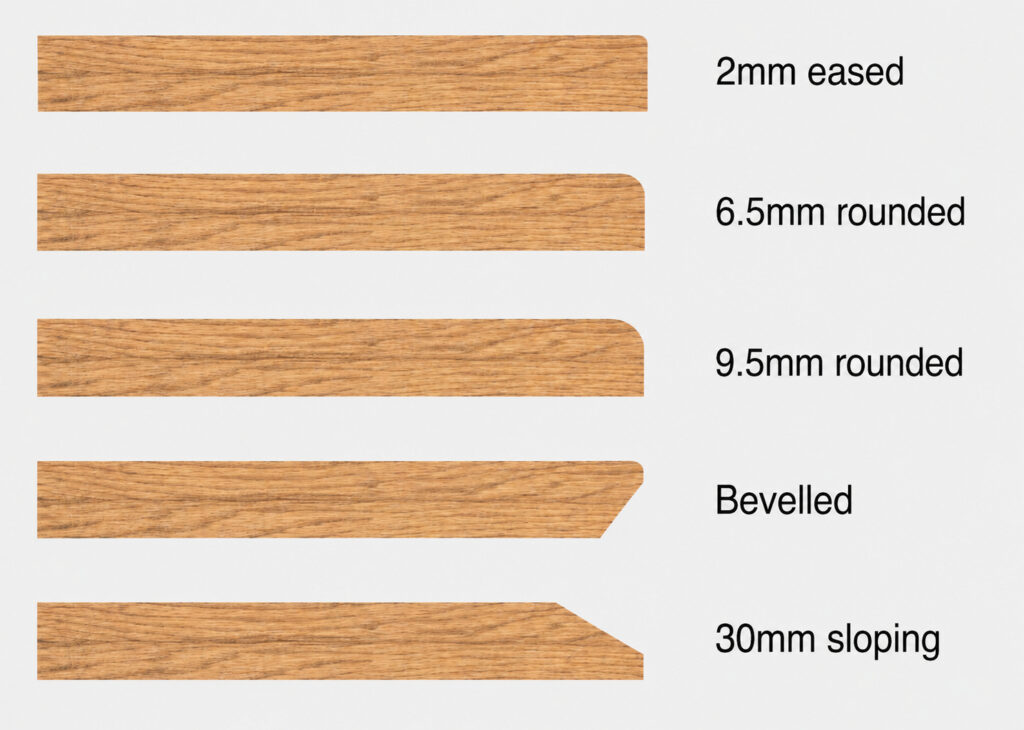
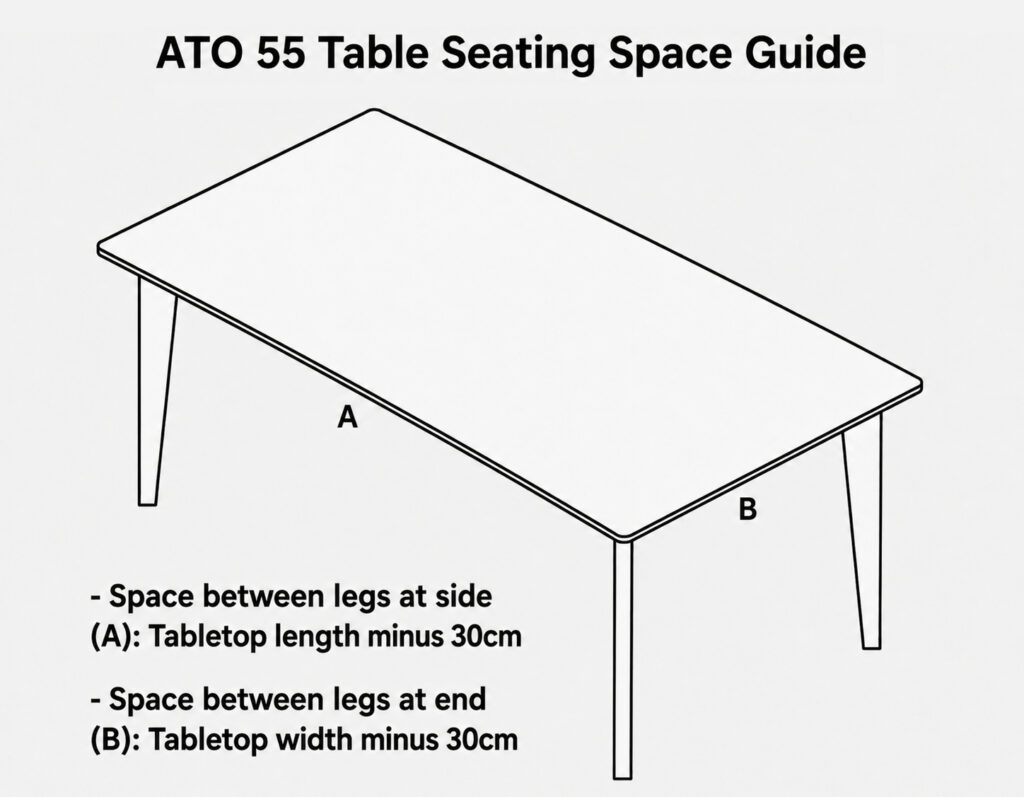
Our in-house designs are the tables, desks, benches and tops in the shop. Each one is photographed in a specification we think suits it, but almost none of them is fixed. You can choose the length, width, edge shape, thickness, height, corner shape and colour finish. Sizes run in 1cm increments, so the table fits the room instead of the nearest standard size.
Because the combinations run into thousands, the product pages carry a price calculator instead of a price list. Enter a length and width and it prices the table in the specification shown. Change the edge, thickness, legs or finish and we send a precise quote for that version.
Custom projects, from scratch
New designs, unusual shapes, built-in storage, and what they cost
Custom projects sit outside that range: a completely new table, an unusual desk shape, a shelving unit, a commercial fit-out piece, or furniture with cupboards, drawers and cable management. Some need CAD drawings or a prototype before anything is cut, and that development time is part of the price. A small custom oak shelving unit might be possible for around £500. A large, uniquely shaped office desk with cupboards, shelves and cable management can cost several thousand pounds. Most custom projects fall between £500 and £2,500, with bespoke tables and desks usually £1,000 to £2,000 depending on complexity. You can see the range in the bespoke custom projects we have built.
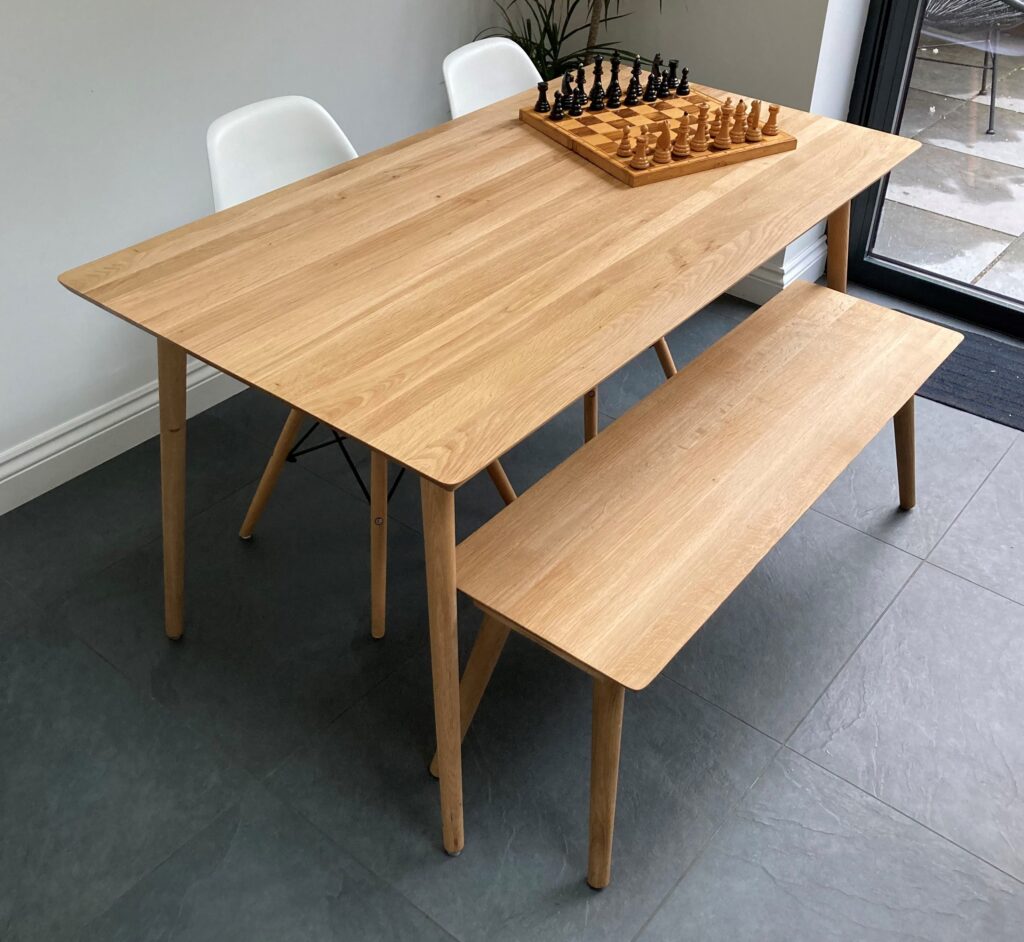
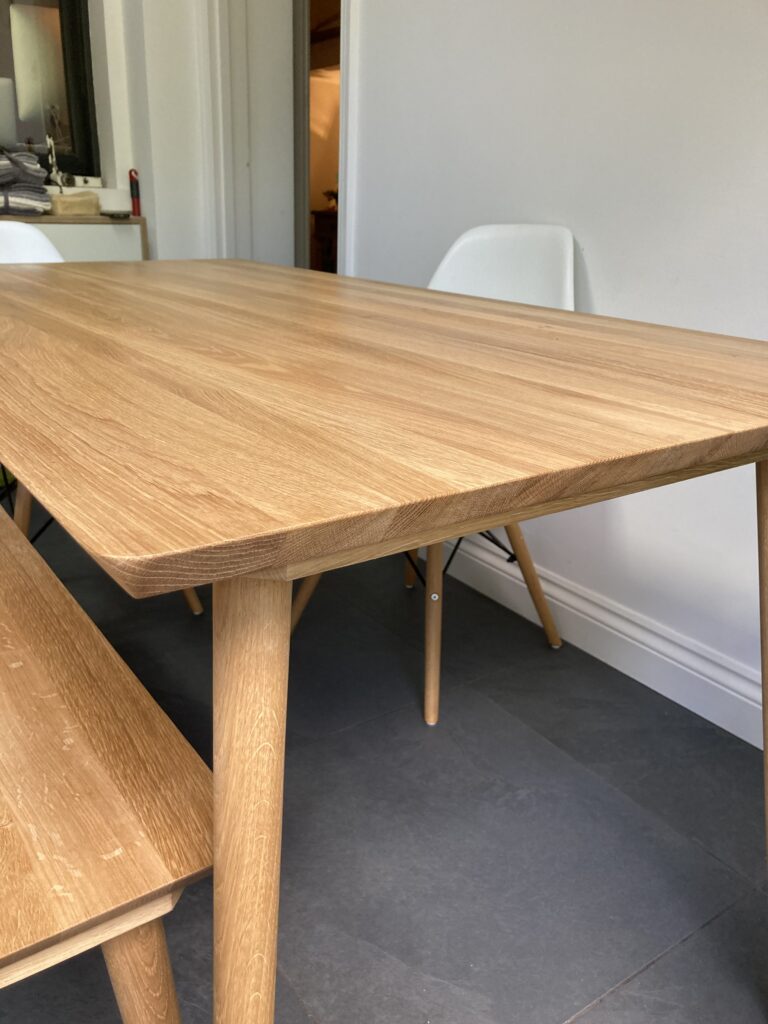
A 190cm x 85cm ATO 55 in solid oak, autumn 2026.
Real prices from our workshop in autumn 2026
The ATO 55, one of our most popular designs, costs around £753 in its smallest listed size and around £989 in its largest.
It is a solid oak table with a clean, Scandinavian-influenced design and tapered square legs. At the time of writing in autumn 2026, the online size range runs from 75cm x 40cm up to 210cm x 100cm. A typical dining table size of 190cm x 85cm comes to around £926 in the specification shown. If that is the size you need, price the ATO 55 in the size you need today.
At the same 190cm x 85cm, the Wing 200 is around £981, the Stadium 300 around £996 and the Radius 70 around £1,036. Every one of those figures comes straight from the calculator on its product page. Exact prices can change, and a different size or an added feature changes the quote.
| Model at 190cm x 85cm | Price |
|---|---|
| ATO 55 | around £926 |
| Wing 200 | around £981 |
| Stadium 300 | around £996 |
| Radius 70 | around £1,036 |
Every figure above came from a calculator you can use yourself, without sending an enquiry.
Price Your Size OnlineThe price calculators on our dining table pages show the price in the specification photographed. A quote for changes follows within the same conversation.
factors set the price of a custom oak dining table
Eight things set the price, and size is not the biggest
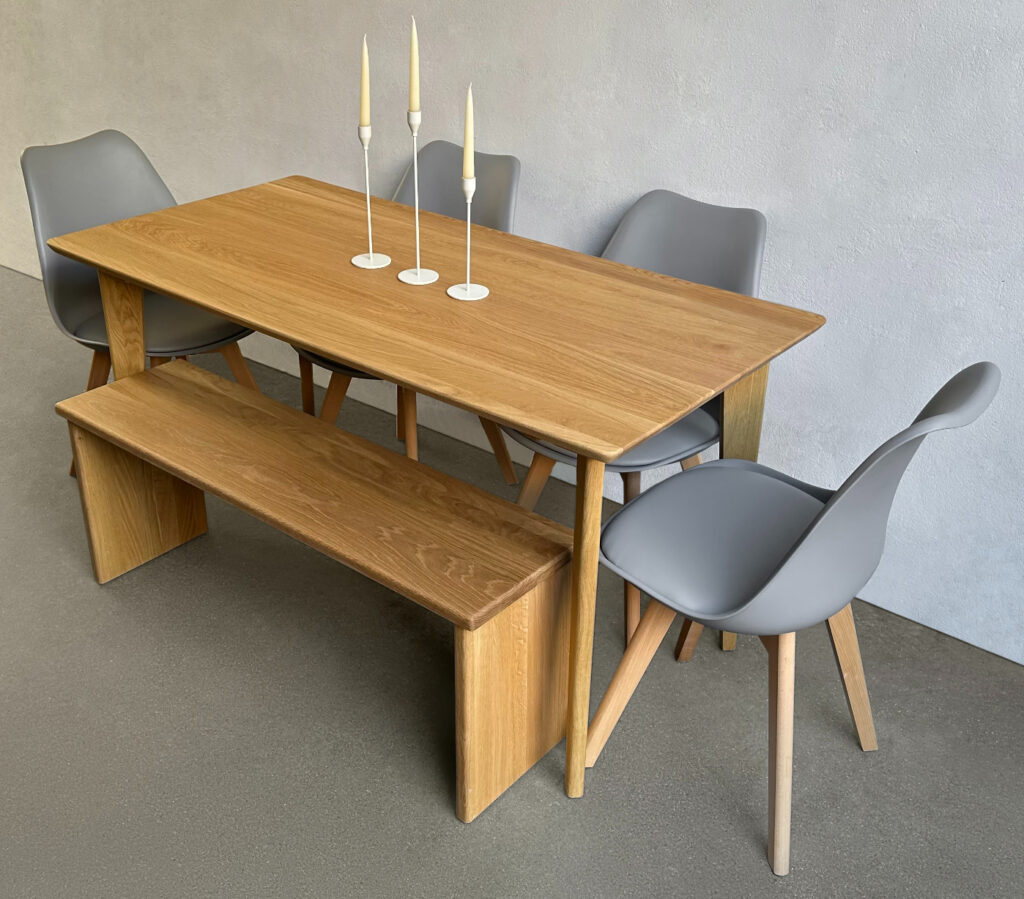
Eight factors set the price of a custom oak dining table: size, top thickness, timber, design complexity, leg or base style, finish, added features, and whether the design already exists or starts from a blank sheet.
- Size
- Top thickness
- Timber
- Design complexity
- Leg or base style
- Finish
- Added features
- Existing design or blank sheet
People often assume size is the one that matters most. It matters, but it is rarely the factor that changes a quote most. We buy timber in quantity and pass it on at close to what we pay, with a small allowance for wastage and no material mark-up, which is why a bigger top adds less than most people expect.
The larger jumps come from top thickness, unusual timbers, a new base design and extra workshop time. The next five sections take them in turn, with the real numbers.
The price difference between a 140cm x 75cm and a 180cm x 85cm ATO 55.
A bigger table adds less than you expect
Going from a 140cm x 75cm ATO 55 to a 180cm x 85cm one takes the price from around £852 to around £914, less than an 8% increase for a much bigger footprint.
More timber always costs something extra. On most of our in-house designs, though, the legs and base are made separately and fixed to the top, so adding length or width does not make the whole build much more involved. The extra you pay is mostly the extra oak, and the oak is priced at close to cost.
Size still matters when you are planning the room, so work out the table size your room needs before you price it. When you want to bring a quote down, a thinner top or a simpler design usually saves more than taking 20cm off the length.
Thickness costs more than length: 30mm adds about 12%
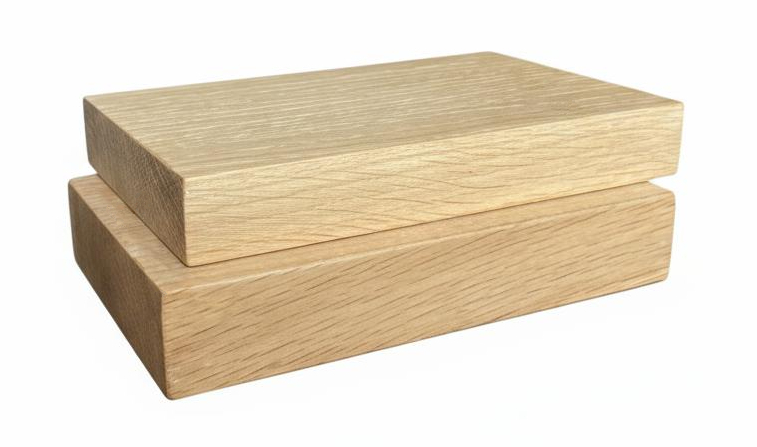
The cost of moving a 150cm x 70cm ATO 55 from 24mm to 30mm oak.
Switching a 150cm x 70cm ATO 55 from 24mm oak to 30mm oak takes the price from around £852 to around £956, a rise of about 12%.
Why most of our tables are 24mm
The standard top, and the designs that use 30mm instead
Most of our designs use 24mm solid oak. It suits the clean, modern, slightly mid-century look we are known for, and it gives a strong, substantial surface without looking heavy. Designs with a more industrial feel use 30mm oak: the Box 85 with its 30mm top, the Industry 68 desk and the Element 57 table.
What 30mm adds to the price
The raw material difference, and the effect at a larger size
The raw material difference between 24mm and 30mm oak can be around 50 to 60%, and that has to show in the final price. At a larger size, 200cm x 80cm, the same switch adds around 17%.
Other thicknesses and the built-up edge
19mm, 40mm, and how to get a chunky look for less
Other thicknesses are possible. Tops in 19mm or 40mm can cost more because they are not standard board sizes. Where you want a chunky 35mm or 40mm look, a built-up edge gives that visual thickness without making the whole top that thick. Making the join invisible takes extra workshop time, and it still costs less than solid 40mm oak throughout.
What solid walnut adds over solid oak, before you have changed anything else.
Oak sits in the middle of the timber price range
Our standard timber is prime full-stave oak, usually American white oak or European oak, and it sits roughly in the middle of the price range for solid wood: knotty pine costs around a third as much, and solid walnut around 40% more.
- Knotty pinearound a third of the price of oak
- Prime full-stave oak, our standardthe reference price
- Solid walnutaround 40% more than oak
What prime full-stave oak means
Full-length boards, matched colour, and how much knot you will see
Full-stave means each board runs the full length of the top, so the grain flows uninterrupted with none of the short cross-grain joins you see in butcher's block worktops. Prime grade means the boards are well colour matched and mostly free of knots, splits and defects. Small pin knots turn up here and there. The dramatic knots and gaps of rustic or character-grade oak do not.
Cheaper timbers: ash, beech and pine
What they save, and what softer wood means for daily use
Cheaper solid woods are an option. Ash and beech cost less than oak, and softwoods such as pine, spruce or fir bring the cost down further. Knotty pine is a favourite: it can cost around a third of the price of oak, it suits a light, simple Scandinavian room, and it takes a stain well for a warmer or more antique look. It is much softer, though. On the Janka hardness scale white oak scores around 1,350 lbf and pine species roughly 380 to 870 lbf, so a pine dining table used every day will show dents and wear far sooner than oak.
Walnut, and the dark-stained oak alternative
The premium timber, and how to get the colour without the price
At the other end sit American black walnut and European walnut: rich, dark and beautiful, and around 40% more expensive than oak as solid timber. Many customers who want that depth of colour choose dark-stained oak instead and keep the difference.
A new base design is the biggest single cost
The usual cost of a cable hole or socket cut-out.
A table built on one of our existing designs costs far less than a table designed from scratch, and a new leg or base design is the one change most likely to push a quote well past £1,000.
A new base: the questions we have to answer first
Why a proven design is cheaper, and what a fresh design has to prove
Everything already exists for a proven design: the proportions, the tested structure, the templates, the tooling and the build sequence. A new base means answering fresh questions. Will it wobble? How do the joints work, and is it clear how they will be made? What templates or tooling does it need, and what do they cost? How long will it take, and is that predictable? Are there risks nobody has spotted yet? That planning and testing has to be built into the price.
Complexity in the top: cut-outs, shapes and profiles
Cable holes, socket cut-outs, rounded corners and unusual edges
Complexity in the top costs less. Cable holes and socket cut-outs usually add somewhere around £40 to £100, depending on the shape, size and quantity. Special shapes, large rounded corners, cut-outs and unusual profiles add time, though rarely on the scale of a new base.
Moving parts: drawers, doors and sliding shelves
Why storage in solid oak costs the most, and the cheaper alternative
Moving parts cost the most. Solid wood moves with the seasons as humidity changes, so a drawer, a door or a sliding shelf has to work five winters from now, not just on delivery day. That is one reason factories reach for MDF, chipboard and plywood: they are stable and predictable. We build storage into solid oak when the budget allows. Often a ready-made drawer unit that suits the look of the table and fits underneath is the better use of the money.
Exact sizing and repairability are what you are paying for
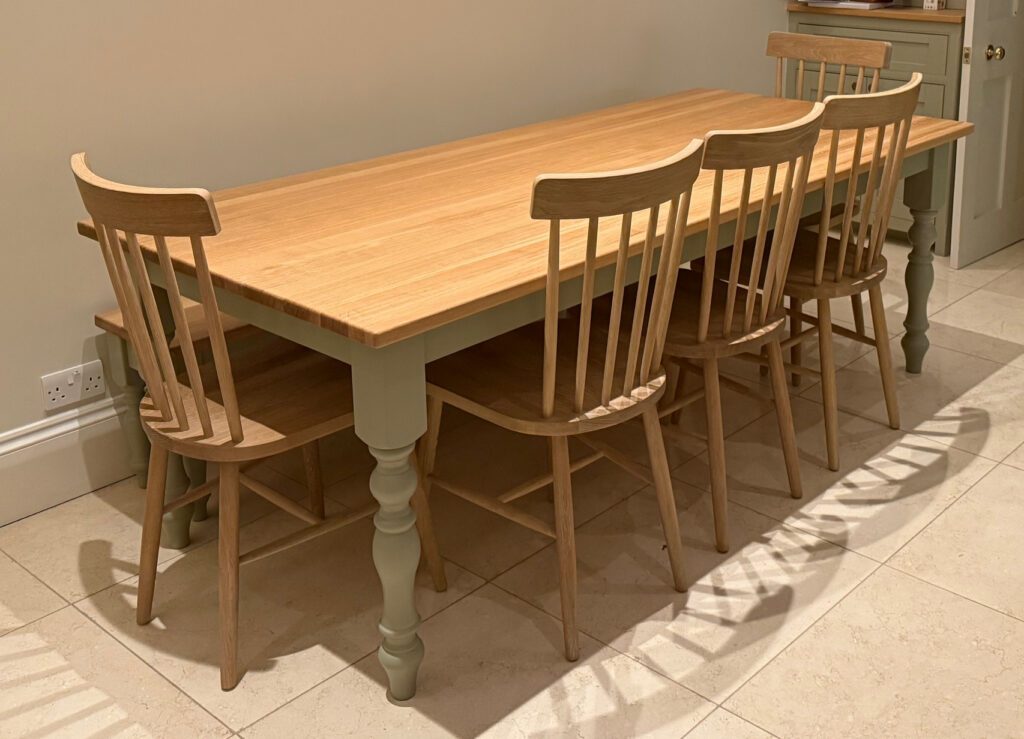
A custom oak table is worth the extra when you want a table that fits the room exactly, feels substantial, and can be repaired instead of replaced.
Exact sizing: the practical win
Why a few centimetres either way changes how a room works
Exact sizing is the practical win. A table slightly too large makes a room feel cramped. One slightly too small loses a seat. In a home where every centimetre matters, a table made to the size you worked out gives you the seating you need without taking floor space you cannot spare.
Repairability: the long-term win
What we see on the restoration bench, and what can be put right
Repairability is the long-term win, and we see it on the restoration bench. When a chipboard, MDF or laminate top has chipped, swollen, peeled or blown, it is usually past economic repair. A solid oak top gets sanded, repaired and refinished: scratches, dents, heat marks and stains come out or improve a great deal, and even splits are fixed with ordinary carpentry and joinery. That makes the table a long-term object, not a disposable one.
Every table also carries our 12-month workmanship guarantee. If a structural or workmanship problem appears in that time, we put it right. Before we cut anything, you approve an order confirmation with the exact measurements, so the table that arrives is the table you priced.