
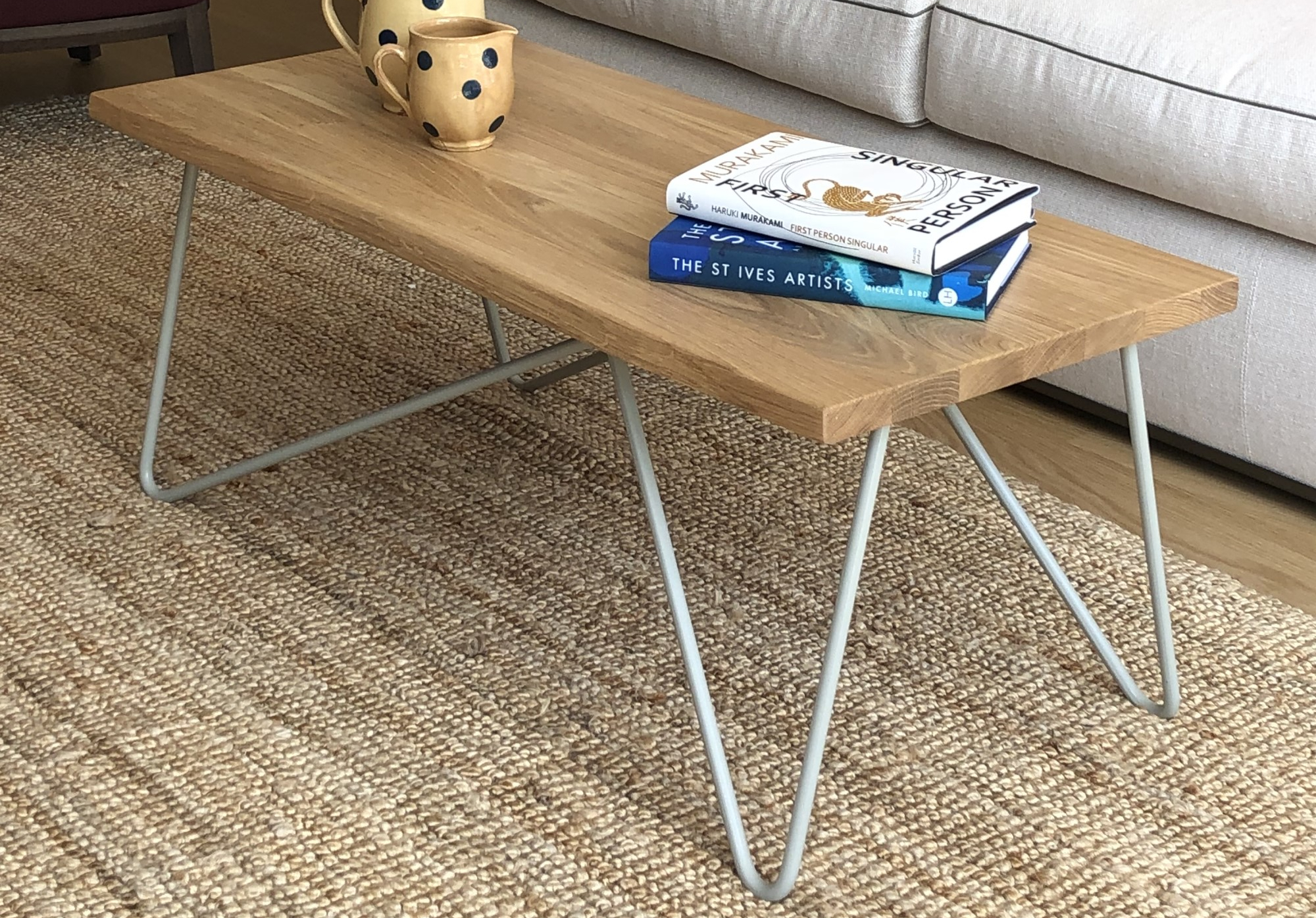
What is the safest way to start choosing tables for a tight coffee shop?
The safest start is to measure the working footprint: table top, chair pull-out, base and route. A tight coffee shop layout works when customers can sit, staff can pass and access stays clear. We plan how the room will run, then choose the table sizes.
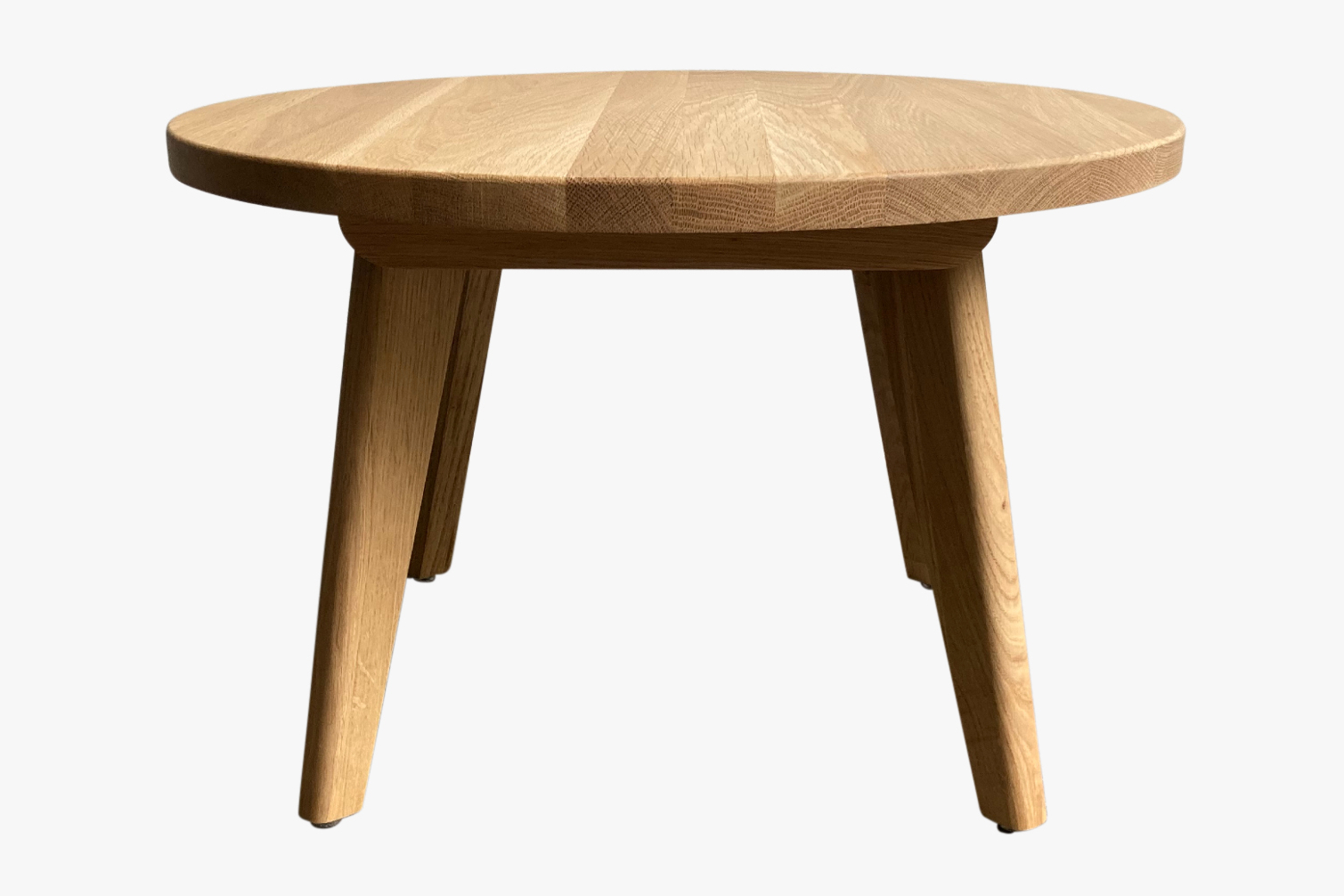
Plan the usable footprint before the table size
An empty café floor can look workable until the chairs go in. Add a queue line, a member of staff carrying drinks, and a customer trying to get past a pulled-out chair, and the room tells a different story.
Most people measure the room and forget the chairs. In a small coffee shop, the usable footprint includes the table top, the chair position, the base and the walkway around it. Café table planning starts there, because a table that fits on the drawing can still fail in service.
Use this order before comparing small café tables:
- Mark fixed points first, including the counter, door, queue, till route and toilets.
- Add likely chair positions, with chairs pulled out as customers would use them.
- Check the staff service route with trays, orders and clearing in mind.
- Decide where standard tops work and where made-to-measure tops or wall-mounted table tops solve an awkward gap.
- Remove any table position that blocks access or slows daily service.
Cover count matters, but a blocked route costs you in other ways. Staff take longer to serve, customers feel squeezed, and table turnover becomes harder to manage. A good coffee shop seating layout uses the room steadily through the day, without forcing every corner to carry a table.
Size and shape choices need to follow the position
No single table shape wins in every tight café. Square, round, narrow and wall-mounted tops all work well in the right place, and all cause problems in the wrong one.
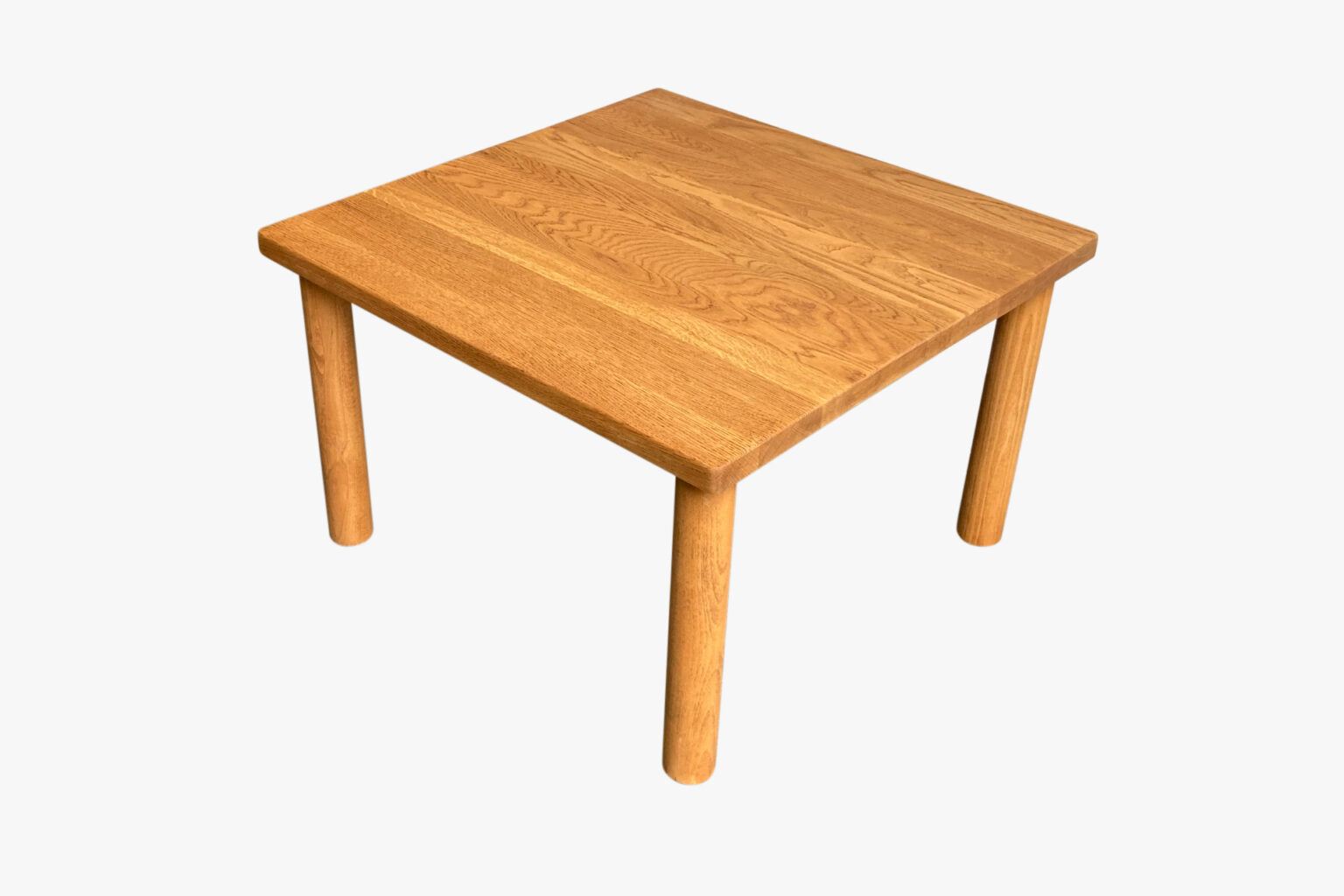
A two-person café table is often the basic planning unit. At Tablemaker, our most requested café table tops are 60 by 60 centimetres, sized for two-person dining in busy service settings. We also build commercial table tops to the centimetre, which lets a mixed layout follow the room instead of forcing every table into the same size.
Choose by position first, then shape. A square top can sit neatly against a wall and join to another table when a group arrives. A round bistro table can feel easier for customers to sit around in some open spots, but it still needs the right base and chair space. Narrow rectangular tops work well along edges where a deep table would steal the walkway. Wall-mounted tops can turn a thin strip by a wall or window into useful seating without adding loose table legs.
| Table type | Where it works | What to check |
|---|---|---|
| Square tops | Walls, corners and flexible two-person settings | Check whether chairs tuck in and whether tables may need to join |
| Round tops | Open positions and bistro-style seating | Check the base spread and the space chairs need around the curve |
| Narrow rectangular tops | Perimeter seating, window runs and thin plans | Check depth, elbow room and the staff path behind seated customers |
| Wall-mounted tops | Narrow edges where freestanding tables block movement | Check wall strength, fixing position and knee room below the top |
A mixed set usually beats a room full of identical tops. One awkward corner might need a rounded corner, a wall run might need a narrow top, and the central area might need small square tables that can move when the lunch pattern changes.
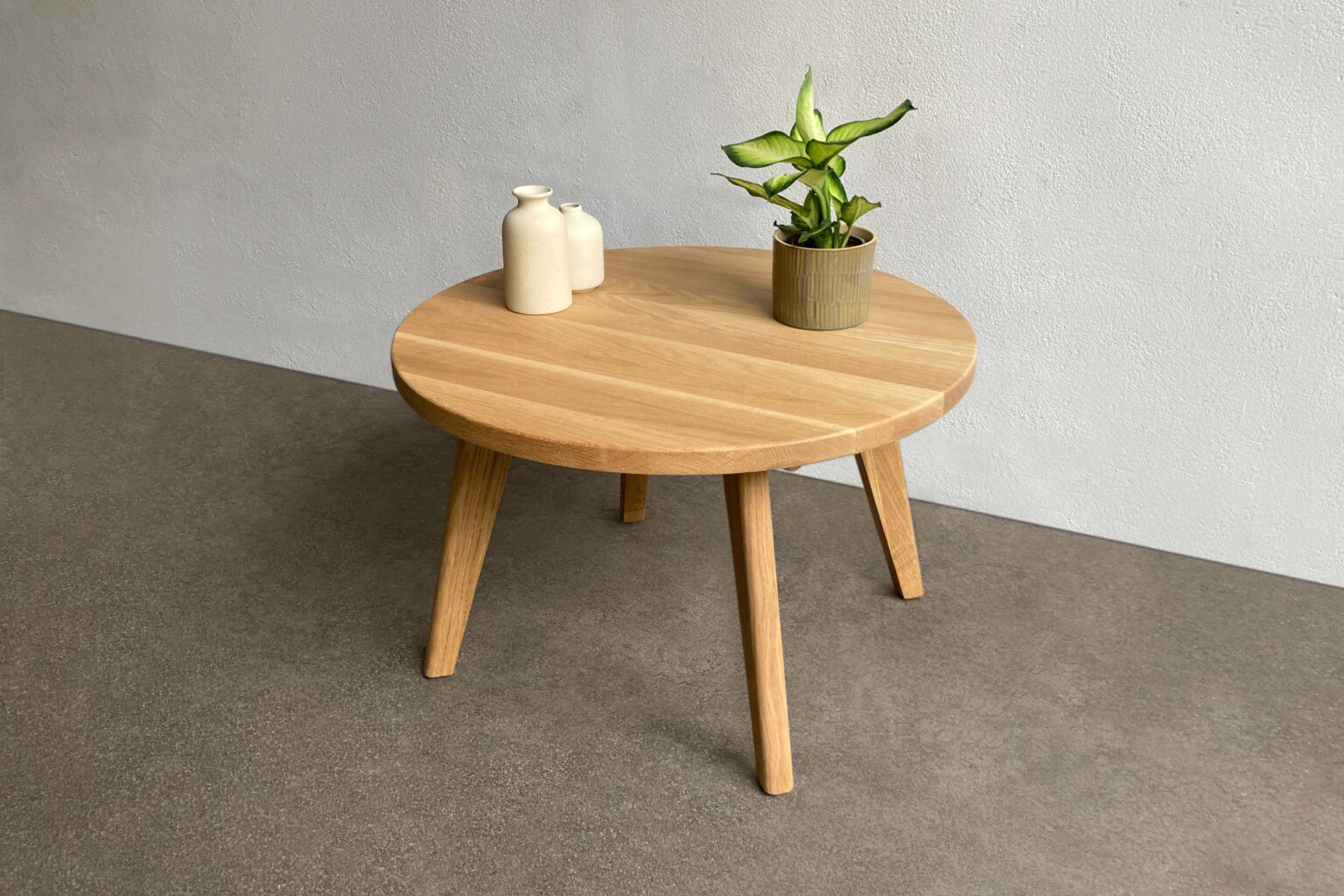
Measure chair pull-out as part of the table footprint. A top that fits on paper can still block the route once customers sit down.

Table bases change the space you actually have
Base choice can make a small table work or fail. A top that looks the right size still wastes space if the chair cannot tuck in or the base sits exactly where knees need to go.
Pedestal bases free up some chair positions because there are no legs at each corner. Balance still matters, because a wide or heavy top needs a base that feels steady in service. Four-leg bases are simple and familiar, but each leg takes away a possible chair position in a tight coffee shop layout.
Existing café bases deserve a proper look before you replace the whole table. We can make commercial tops for existing bases in round, square or oval shapes, which helps when the base is sound and the worn part is the top. That route also keeps disruption down, because you are solving the part that no longer works.
Fixings need attention before any replacement table top is made. The mounting plate, screw holes, overhang and base footprint all affect the finished table, so the base should be checked before the top is ordered.
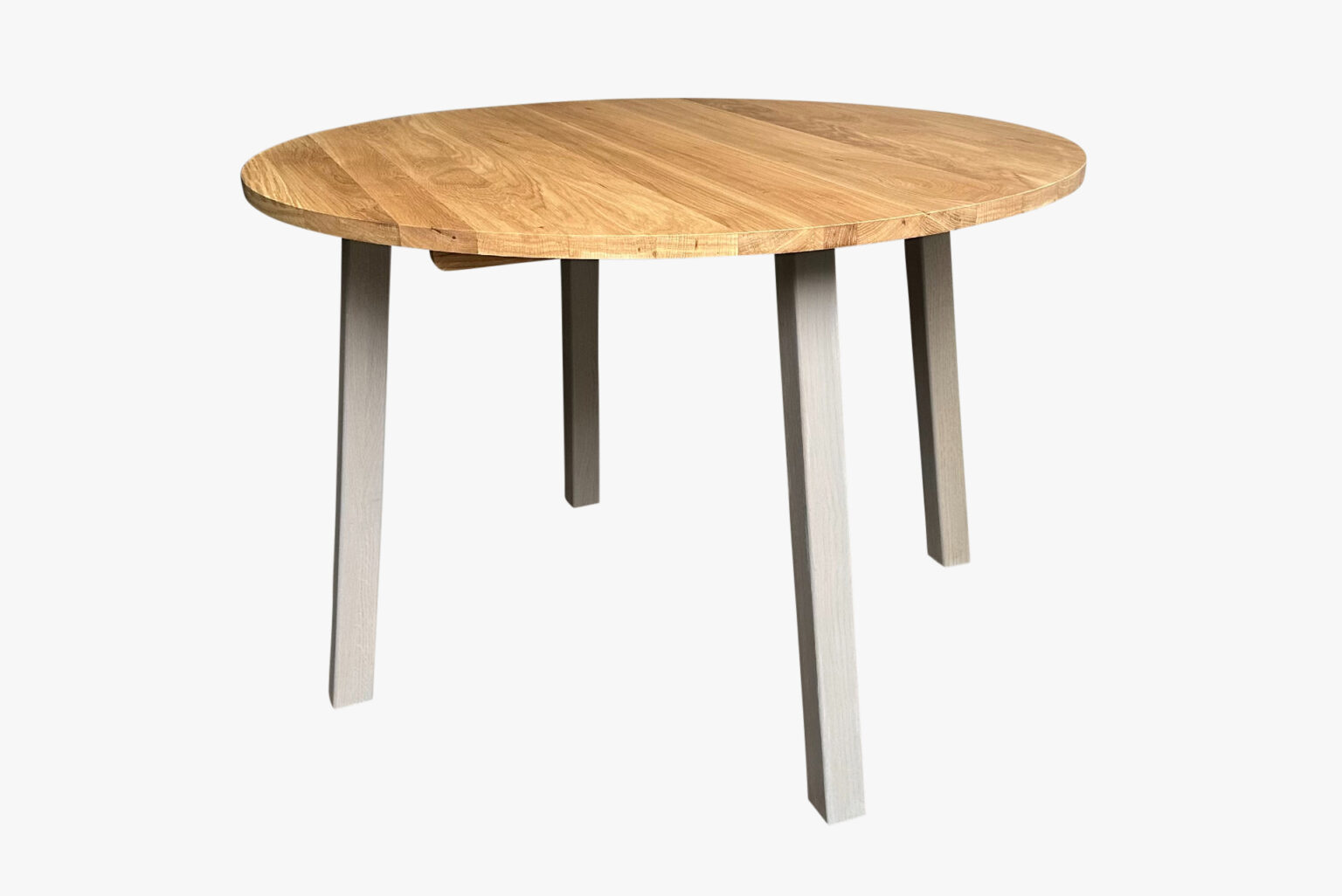
Clearance needs a real-use test
If a chair blocks the route when someone sits down, the table does not work there. Clearance has to be tested as the café will be used, with customers seated, staff passing and the route to key areas kept open.
A tight layout does not need a made-up universal aisle figure. Venue layout, access needs, furniture shape and service style all affect the space you need. We focus on the practical test first, then any venue-specific access or licensing checks that apply.
Keep these checks together during coffee shop table clearance planning:
- Chair pull-out, tested with the chair in the position a customer will actually use.
- Staff path from the counter to the tables, especially where drinks are carried through the room.
- Customer route to the door, counter and toilets, with no blocked pinch point.
- Accessible use of public areas, checked early enough to affect the table plan.
- Outdoor pavement seating, treated as a separate layout with its own rules.
Approved Document M Volume 2 says refreshment facilities such as restaurants and bars should be designed so they can be reached and used by all people independently or with companions. Your access checks also sit alongside the Equality Act 2010. Detailed access design can be checked against BS 8300 or with your local authority building control or access officer.
Outdoor café tables need another layer of thought. In England, GOV.UK guidance says a pavement licence can allow cafés and coffee shops to place removable furniture on certain highways next to their premises. Local authority pavement licensing teams may apply local conditions, including a smoke-free seating condition, so outdoor furniture should be checked before you buy it.
A layout has to pass the real-use test, not just the floor-plan test.
Check whether one base can be kept and the top replaced. That can solve wear or sizing problems without changing the whole table.
Long-term checks matter in a tight room
A table that fits on day one still has to cope with cleaning, marks, movement and later layout changes. Small spaces work furniture hard, because the same edges get knocked, the same tops get wiped all day, and the same tables may be moved to suit different service patterns.
Finish choice matters here. At Tablemaker, we finish commercial table tops with clear hardwax oil, pigmented oil or food-safe mineral oil, and those finishes can be spot repaired or re-oiled. That repair route matters in a café because a marked patch should not automatically mean replacing the whole top.
Solid oak table tops also give you room to adapt later. A top can be sanded and refinished, and matching replacements can be planned more easily when sizes, edges and finishes have been recorded properly. In a tight room, that future matching is useful because one changed base or one added wall-mounted top can disturb the whole layout if it looks or works differently from the rest.
Edges and corners deserve the same attention as the main size. Rounded edges and softened corner shapes can reduce knocks in close layouts, especially near the queue, door or staff path. A sharp-looking rectangle on a plan might need a small corner change before it becomes a table people can use comfortably every day.
Once you read the room through the usable footprint, the buying decision becomes clearer. You know which spaces can take standard tops, which gaps need made-to-measure sizing, which bases are worth keeping and which table positions have no proper job. In a tight coffee shop, every table needs a clear reason to be there.
Questions we get asked about coffee shop tables
Can we keep our current café bases and change the tops?
Yes, if the bases are sound and the problem is the top size, finish or wear. We check the base footprint, mounting plate and fixing points before making replacement tops.
Do wall-mounted tables suit narrow coffee shops?
Wall-mounted tables can work well along a wall, window run or thin edge where freestanding bases would block movement. Wall strength, fixing height and knee room need checking before that choice is made.
Should all tables in a small coffee shop be the same size?
A mixed set usually gives better control in a tight room. Square two-person tops, narrow perimeter tops and one or two made-to-measure pieces can solve different parts of the plan.
Are round tables better than square tables in a small café?
Round tables work well in some open positions, but square tables often suit walls and joined seating better. Chair size, base type and the exact position matter more than the shape alone.
Do outdoor café tables need different checks from indoor tables?
Yes, because outdoor furniture may need to be removable and may sit under pavement licensing conditions. Exposure, storage, base weight and local authority requirements should be checked before buying.
This is general information, not professional advice.