

Can I Send You a Sketch for a Custom Table Top? UK Ordering Guide
Can I send a hand-drawn sketch for a custom table top in the UK?
Yes, a sketch is welcomed and often helpful when ordering a custom table top in the UK. It does not need to be technical or artistic, and just clear enough to show your design intent, measurements and any specific needs you have for your space or frame.
Table of Contents
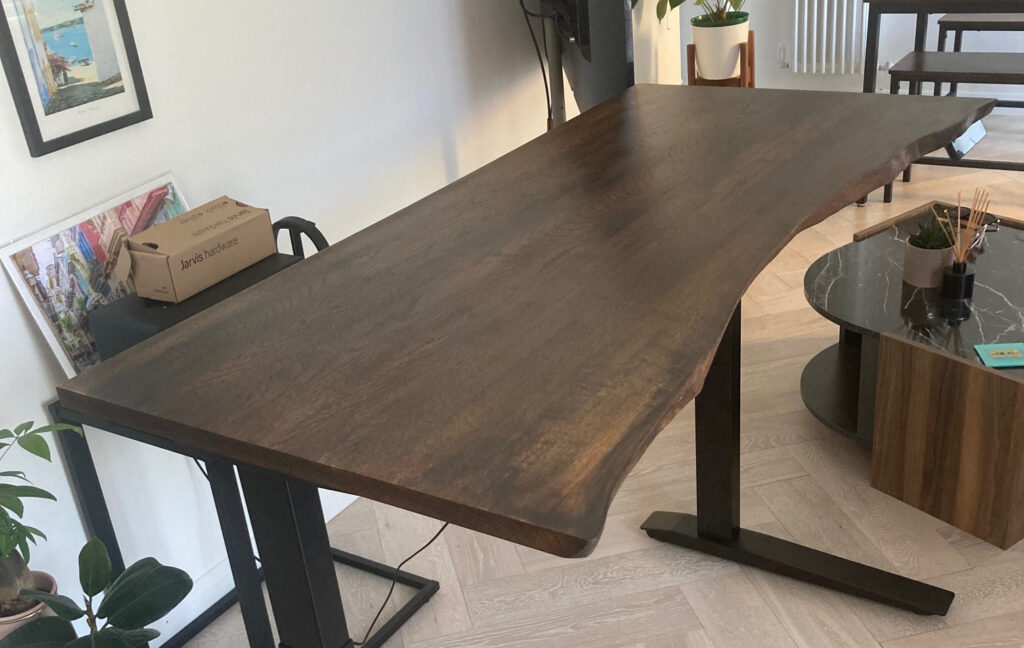
A Simple Sketch Can Go a Long Way
You do not need to be a designer, draughtsperson or artist to provide a useful sketch. A hand-drawn plan, even on paper with rough markings, can be valuable. It gives the workshop something tangible to interpret, helping turn your idea into something buildable.
A sketch can communicate:
- Overall shape and edge layout
- Important cut-outs or features such as cable gaps
- Overhangs or frameless areas that need to be accommodated
- Notes about what the top will sit on or fit within
- Preferred positioning of features like grommet holes or mounting cleats
Photos of the intended space or base, sent alongside a sketch, can add further clarity. A sketch is not mandatory, but it often reduces back-and-forth and makes communication easier for everyone involved.
What to Include in Your Sketch or Drawing
If you’re sketching your idea, here’s what to include to help the workshop interpret it clearly:
- Overall dimensions in millimetres or centimetres
- Shape layout (rectangle, oval, round, or L-shaped, for example)
- Location and size of any cut-outs (for cables, radiators or corners)
- Notes on which edge is the front or back, if important
- Any known mounting points or frame leg positions
- Optional: desired grain direction, edge profile or finish preference
Adding a few explanatory notes can make a drawing much more informative. If possible, include photographs of the base or the room, especially if the table will need to fit around something specific.
Pro Tip: If your frame includes predrilled holes, referencing the manufacturer’s mounting pattern can save time and avoid errors.
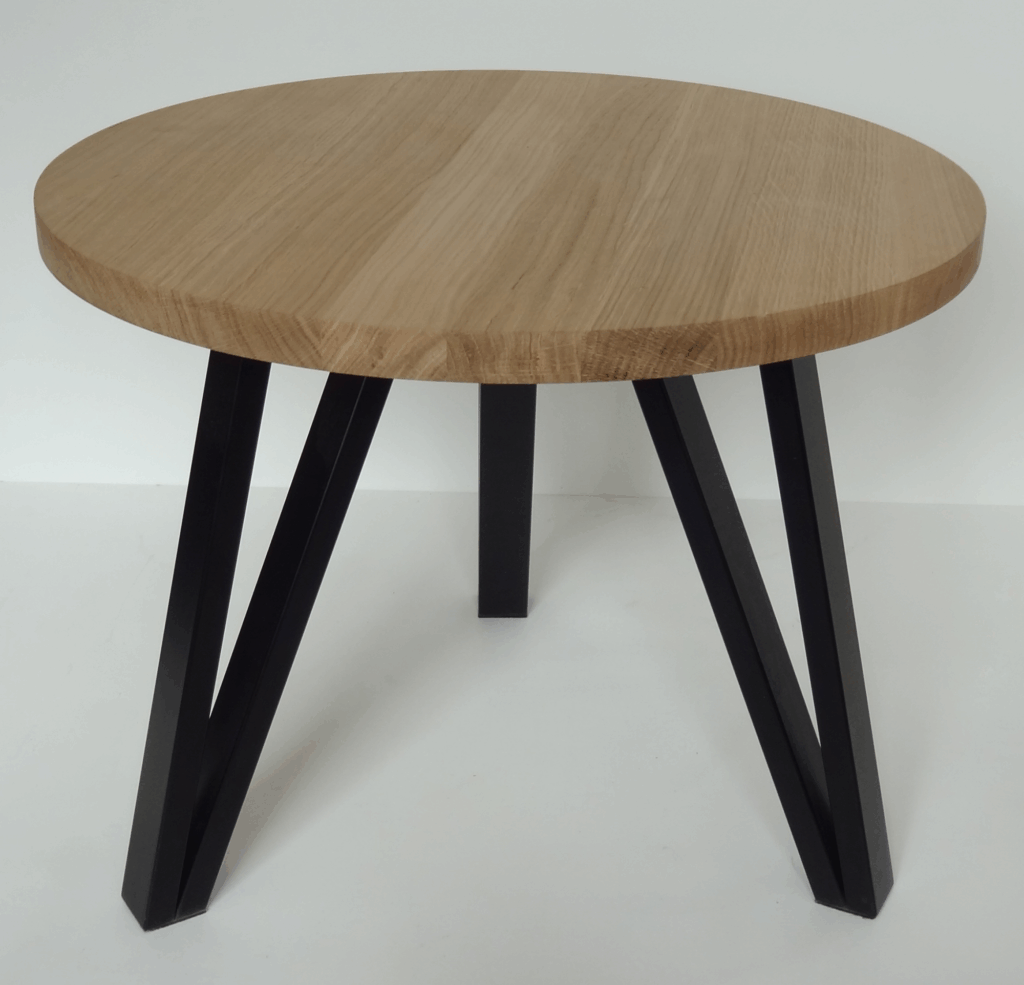
Pro Tip: Photograph your existing space or base from multiple angles to give the workshop helpful context alongside your sketch.
How Custom Table Tops Are Interpreted and Built
Once your sketch arrives, the workshop begins by reviewing the drawing to understand your intent and check practical alignment with material limits and construction logic.
Initial review Your sketch is opened and assessed for completeness. If anything is unclear, you’ll be contacted with specific questions. The aim is to clarify the essentials without requiring redrafting.
Material planning Solid timber is selected, usually kiln-dried oak, with full-length staves arranged for surface stability and appearance. Grain direction is chosen to suit type and layout.
Construction logic Standard reinforcement includes straightening bars fitted across the grain to minimise movement over time. These are positioned based on size and mounting needs.
Final confirmation You’ll receive a spec confirmation with the discussed measurements, and any adjustments agreed on. Nothing is cut until this stage is signed off.
This process keeps your original idea intact while aligning it with practical build methods and long-term durability.
Materials, Thicknesses and Finishes: What You Can Choose
Several key decisions shape how your custom table top looks, performs and wears over time.
Wood type Oak is the default option due to its durability and ability to be repaired or refinished. Other hardwoods can be discussed for specific projects.
Thickness Common choices range from 27mm to 40mm thick. A thicker top has more presence and tolerance for future surface sanding, while a slimmer top may suit smaller spaces or lighter frames.
Finish Hardwax oil is used as standard. It enhances the grain and provides surface protection without forming a plastic-like coating. It is also easy to refresh yourself with spot repairs or a full resand down the line.
Edge profiles You can request square, rounded or chamfered edges. These are often indicated in sketches or notes and can be adjusted depending on the intended use.
Each of these contributes to how the piece will age, handle wear and suit the space it lives in.
Sizing for Fit: Working with Existing Bases or Spaces
Many custom tops are made to fit an existing base or within a particular space. Some details are useful to get right early on.
- If you have a fixed-leg metal frame, measure the inner and outer leg positions
- For sit-stand frames, include the mounting dimensions and whether the top will overhang
- In alcove or wall-adjacent setups, be precise about wall-to-wall measurements
- Allow space for cables if desks are plugged in against a wall
- Consider notching or adapting corners for radiators or uneven plasterwork
Precision to the nearest centimetre can make the difference between a satisfying fit and an awkward compromise. Most tops from Tablemaker are made to exact metric sizes, so 1cm increments are possible but expected.
If your frame has predrilled holes, a photo or link to the manufacturer’s mounting template may eliminate the guesswork.
Start Your Custom Table Top
Send your drawing or notes to begin the design process with the Tablemaker team.
Send My SketchSending Your Sketch: Formats, Files and Contact Methods
Sending your sketch is straightforward. It does not need to be a digital file or a technical drawing.
Acceptable formats include:
- A photo of your hand-drawn sketch (taken on a phone is fine)
- Scanned drawings or PDFs
- Simple digital mockups or annotated photos
- Emails with dimensions and notes, even without a visual, where necessary
You can attach your sketch, describe your idea and include any relevant photos when contacting the workshop. Supporting notes such as intended use, special concerns or questions can help guide the first response.
Once received, the workshop will assess your submission and follow up with clarification or firm proposals if needed.
Lead Times, Confirmations and What to Expect After Sending
Once your sketch is sent, everything proceeds with a clear and measured process.
Initial reply You will typically receive an acknowledgement within a working day or two. Any questions will be sent at this point to clarify your sketch or intent.
Final confirmation Before anything is made, you’ll be asked to approve a final spec. This usually includes size, timber type, finish, and any mounting details.
Production and delivery Most custom tops are delivered within two to three weeks after confirmation. This includes the time to build, finish and prepare your top for delivery or collection.
Adjustments are possible until the design is confirmed, so you are encouraged to explore what works best. The process is collaborative and responsive rather than automated.
The Tablemaker workshop treats each submission as a long-term surface that needs to function daily, not just look good on arrival. Your sketch, however simple, is the starting point for something made to last.
Explore Material Options
See available hardwoods, edge styles and finishes for your made to order top.
View Material Choices
Tablemaker
55 High St, London N8 7QB
02083416334
HVQM+58 London