
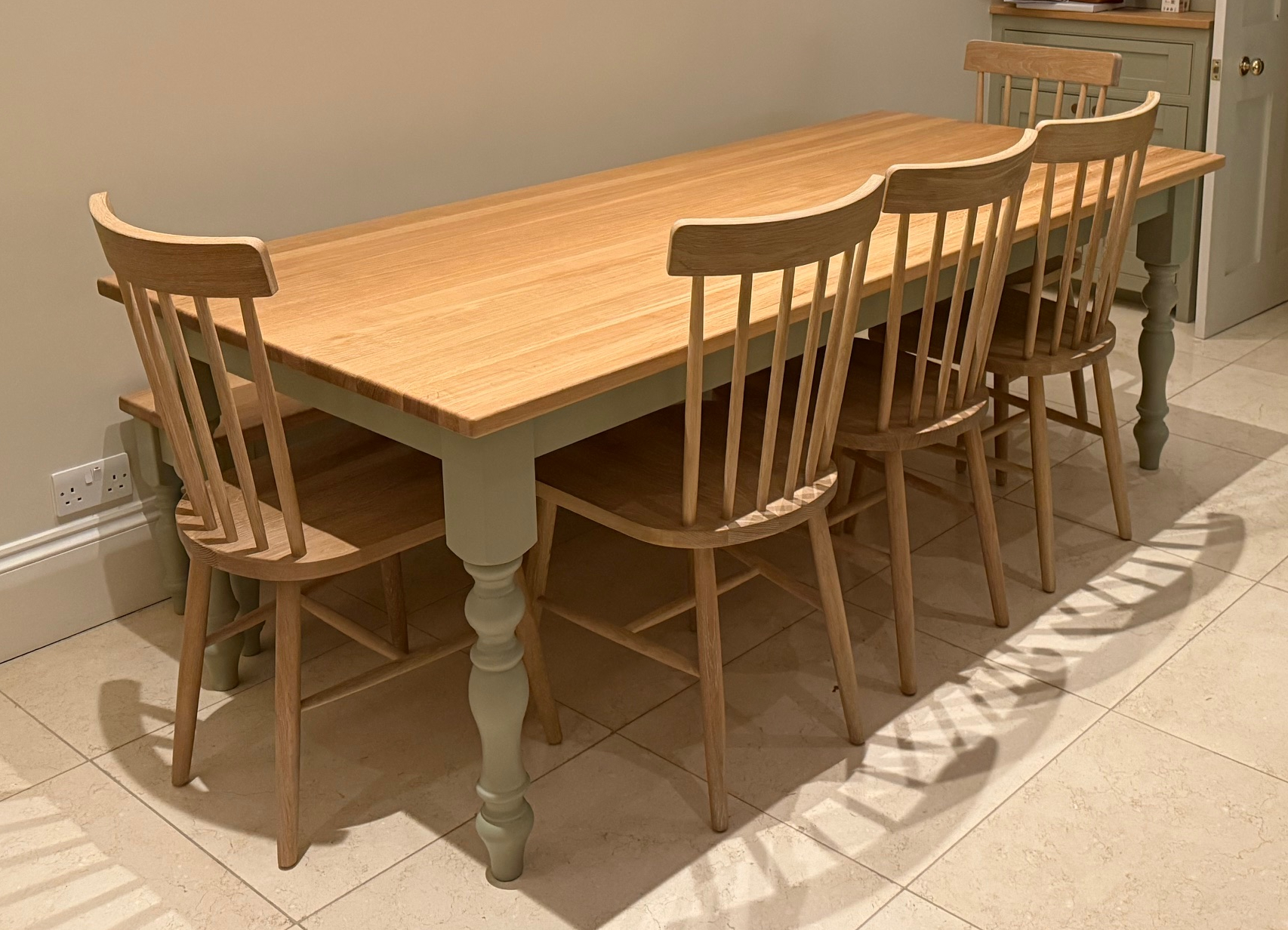
What should you check before replacing restaurant table tops for summer?
Start by assessing condition, fit, hygiene, material, timing, and total cost. Some tops need only refinishing, while others have reached the point where poor stability, damaged edges, or worn finishes make replacement the more sensible option. The best choice usually comes from balancing day-to-day service demands with how the tables will perform after summer has passed.
Table of Contents
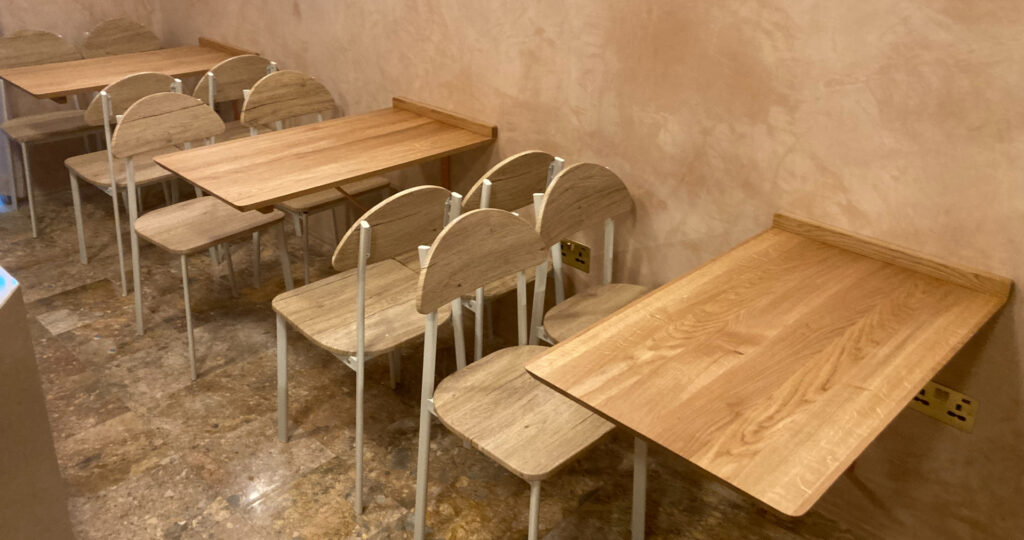
Assessing existing table top condition
A proper restaurant furniture inspection begins with a simple distinction: does the table top have cosmetic wear, or does it have structural problems? Surface scratches, light finish wear, and minor marks from plates or cleaning products often look tired without making a table unsafe or unusable. By contrast, wobble, persistent warping, edge chipping, and water damage around joints or corners usually point to more detailed issues.
A quick walk through the dining room before service can reveal more than a spreadsheet ever will. Staff will often know which tables guests avoid, which ones rock on level flooring, and which worn table surfaces never seem fully clean despite regular wiping. That practical feedback matters just as much as visual inspection.
- Surface scratches and finish degradation usually affect appearance first
- Water damage can lead to swelling, staining, or movement in the top
- Edge chipping often becomes a hygiene issue once crumbs and moisture collect in damaged areas
- Wobble may come from the base, the fixings, or a distorted top rather than a loose floor contact point alone
Repair or replace table tops is rarely a binary decision across the whole restaurant. Solid wood can sometimes be refinished if the board remains sound and stable, whereas veneered tops with broken edges or blown surfaces may offer less room for repair. Environmental Health Officers will expect surfaces to be cleanable and in good condition, so any table top damage that traps food residue or leaves rough, open areas deserves closer attention.
One common misconception is that all timber tops wear out quickly. In practice, lifespan depends on construction, finish, maintenance, and how hard the tables are worked during service, not on a single material label.
Material selection: durability, maintenance, and aesthetics
Material choice affects much more than appearance. It shapes cleaning routines, repair options, how the room feels at peak covers, and how often you will need to revisit the issue.
Different materials suit different operations:
- Solid wood: warm appearance, repairable surface, may need periodic maintenance depending on finish and use
- Veneered tops: often neater on price and visually consistent, but harder to repair if the top layer is damaged
- Laminate or composite: easy-clean and practical in many busy settings, though deep chips or edge failures can be difficult to disguise
Claims such as waterproof or scratchproof deserve a cautious reading. Most restaurant table durability comes from the whole build, including substrate, edging, finish, and cleaning routine, rather than from a single headline term. A hardwearing finish can reduce day-to-day marking, but no surface remains untouched by heavy commercial use.
Solid oak remains popular because it can be refinished and repaired over time, which means that a top does not always need replacing at the first signs of wear. Workshops such as Tablemaker often focus on that long-term logic, particularly for high-use table tops where serviceability matters as much as first appearance. On the other hand, a laminate surface may suit a site that prioritises fast wipe-downs and visual consistency across a large floor.
Cleaning protocols matter here as well. The Food Standards Agency expects surfaces to be maintained in a condition that supports hygiene, so the finish is just as important as the base material. Hardwax oil on solid wood can work well in hospitality settings if it is properly maintained, whereas neglected finishes of any type tend to fail early. Matching the material to the pace, menu style, and cleaning demands of the restaurant usually produces a better result than chasing the hardest-sounding specification.
Sizing and compatibility with existing bases
A replacement top that looks right on paper can still fail on the floor if the sizing is off by even a small margin. Restaurants often keep existing bases to control costs, but universal fit is more myth than reality.
Before ordering, measure with installation in mind, not just appearance:
- Check the exact width and length of the current top, then confirm whether those dimensions still suit covers, circulation, and plate service.
- Measure the base plate or spider fixing points and compare them with the underside area available on the new top.
- Review overhang on all sides so guests have enough legroom and the table does not look top-heavy.
- Confirm thickness, fixing method, and whether new mounting holes will be needed.
- Test for accessibility and spacing, particularly where tighter layouts, banquettes, or wall-mounted seating affect chair movement.
Irregular cast iron bases, older pedestal frames, and mixed-height furniture often create the biggest problems. A top can be the correct size overall and still sit awkwardly if the fixing points land too close to the edge or the weight distribution is wrong. BSI guidance on furniture dimensions and accessibility considerations are useful reference points, especially in dining rooms where layout efficiency has gradually narrowed clearances over time.
Made-to-measure sizing can solve these issues, although custom work is not necessary for every room. Where an existing base falls outside standard dimensions, or where overhang needs to be adjusted for service flow, workshops including Tablemaker can produce tops to suit fixed conditions rather than forcing the space to adapt to a stock size. Many ordering mistakes begin with one rushed assumption: if the old top fitted once, any new one in the same nominal size will do.
Pro Tip: A brief test of edge and surface finishes with your usual cleaning agents can reveal wear patterns that might not be obvious on visual inspection alone.
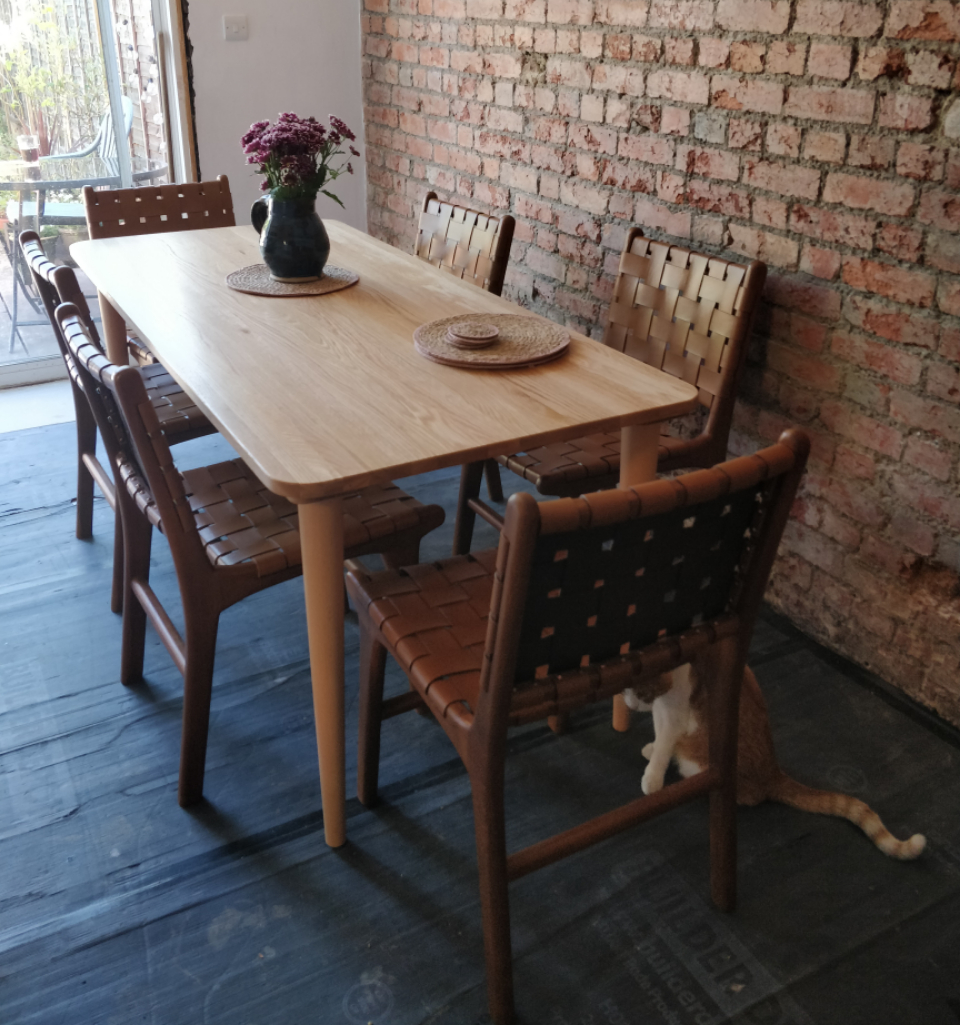
Pro Tip: Accurate under-table measurements, including overhang and fixing layouts, help avoid costly refitting issues during installation.
Hygiene, cleanability, and food safety considerations
Cleanability matters most when covers rise and table turns tighten. During a busy summer service, even a small weakness in the surface or edge detail becomes obvious very quickly.
Porosity plays a part, but condition plays a bigger one. A well-finished timber top can be easier to maintain than a chipped laminated surface with exposed edges and tiny gaps that collect grease, crumbs, and moisture. Food safe surfaces depend on being smooth, intact, and suitable for regular cleaning with the products your team actually uses.
Some points deserve close attention:
- Damaged edges can trap debris in places cloths do not reach properly
- Worn finishes may leave the surface looking dull or patchy after cleaning
- Harsh cleaning agents can shorten the life of some finishes if used too aggressively
- Antibacterial coatings do not remove the need for proper hygiene routines and scheduled cleaning
UK food hygiene regulations focus on practical cleanliness, maintenance, and suitability. Environmental Health Officers are likely to look for surfaces that can be kept clean and remain in good repair throughout service. The Food Standards Agency guidance points in the same direction: no finish or coating replaces daily cleaning discipline.
Edge profile is often overlooked. Square, broken, or poorly sealed edges can become the dirtiest part of the table, particularly in family dining settings or cafés with frequent spills. Rounded or neatly finished edges usually wipe down more effectively, and they show less wear where chairs and serving trays knock against them. In a room that serves quickly and cleans often, small details like that can influence both hygiene and how polished the dining area appears at a glance.
Lead times, supply chain, and installation planning
Summer deadlines tend to feel distant until they suddenly do not. Restaurants that leave table top lead times to the last minute often end up choosing from what is available, not what actually fits the room and service pattern.
Made-to-order tops and off-the-shelf tops follow very different timelines. Stock items may arrive sooner, although availability can shift without much notice if certain sizes or finishes sell through. Bespoke production usually takes longer, but it can remove the workarounds that create problems during installation week. Some UK workshops keep production in house, and that can offer better visibility on scheduling. Tablemaker, for example, produces made-to-order tops on relatively short lead times for much of its work, which can help where timing is tight but exact sizing still matters.
Planning works best when it follows the service calendar:
- Inspect and measure well before the peak period starts.
- Confirm material, finish, and fixing details before placing the order.
- Book delivery windows that avoid your busiest trading days.
- Schedule installation during a closed period, a quiet weekday, or a phased refit across sections.
- Keep one or two spare tables in reserve if the room layout allows.
Fast delivery promises can hide awkward realities, including split shipments, delayed carriers, or products arriving without pre-drilled compatibility. Logistics providers can move goods quickly, but restaurant furniture delivery still depends on packaging, handling, access, and whether the order was specified correctly in the first place. A sensible contingency plan might mean refurbishing a few salvageable tables to bridge a gap, or replacing the most damaged tops first so the dining room remains operational even if one part of the order slips.
Budgeting and total cost considerations
The purchase price only tells part of the story. Restaurant table top costs should be judged against lifespan, maintenance, installation time, and the disruption caused when surfaces fail earlier than expected.
A cheaper top may work well for a short cycle refit or a site with very specific wear patterns. Even so, lower upfront cost can be offset by more frequent replacement, visible deterioration, or limited repair options. A higher initial spend may represent better value for money furniture if the top can be refinished, repaired, or reused on an existing base.
Cost categories usually include:
- The table top itself
- Finish choice and any maintenance products
- Delivery and handling
- Installation labour or internal staff time
- Downtime during fitting or phased replacement
- Future repair, refinishing, or replacement needs
Lifecycle cost matters most in high-turn hospitality settings. A repairable solid wood surface may need occasional attention, but it can stay in service far longer if the construction is sound. A low-cost composite option may reduce maintenance in the short term, yet become uneconomical if chips, swelling, or fixing failures mean full replacement after a relatively short period. VAT treatment, installation fees, and aftercare products also affect the real total, so budgeting works better when it includes the full operating picture rather than the invoice line alone.
Book a Professional Table Top Assessment
Ensure your dining area is ready for peak season with an expert review of table condition and fit. Receive tailored recommendations for your operation.
Book AssessmentCommon pitfalls and how to avoid them
Most table top replacement mistakes are ordinary ones. They happen because someone is busy, the room is trading, and decisions get compressed into a narrow time window.
Measurement errors sit near the top of the list. Restaurants often record only the visible top size and forget underside fixings, overhang, or base spread. The result can be a top that technically fits the room but feels awkward in use, particularly where servers need to clear quickly around tightly packed covers.
Finish selection causes trouble in quieter ways. A domestic-looking finish may seem fine during installation, then show rings, dull patches, or uneven wear once cold drinks, sanitisers, and constant wiping become part of daily use. Commercial conditions ask more of a surface than showroom conditions ever do.
Lead times are another source of avoidable pressure. Ordering late can force compromises on colour, size, or material, and installation mishaps become more likely if deliveries land on busy service days. Hospitality industry forums are full of stories where the furniture itself was acceptable, but the timing created the real operational problem.
Regulatory oversights can be subtle. A top may look smart on arrival but still prove awkward to keep clean if the edges are rough, the finish reacts badly to cleaning agents, or the underside fittings make the whole table unstable. Checking against practical hygiene expectations, BSI references, and the sort of issues Environmental Health Officers notice in real dining rooms can save a lot of frustration.
One final trap is assuming that all solid wood is much the same. Timber species, board construction, drying, grain direction, and stabilising details all affect how the top behaves over time. Two oak tops can look similar in a photo and perform very differently after a season of heat, moisture, and constant cleaning.
Looking beyond summer: longevity and adaptability
A summer refit often starts as a reactive task. One or two worn table surfaces become five, then the whole dining room moves up the priority list before the busy season begins.
The better decisions usually come from thinking one season ahead. A top that can be refinished, resized for a new layout, or remounted on a different base gives a restaurant more room to adapt as covers, menus, and floor plans change. Construction quality matters here, including whether the material is repairable, whether the finish can be renewed, and whether the top has been made with real use in mind.
Trend-led choices can date surprisingly fast in hospitality interiors. Cleaner proportions, practical finishes, and materials that age with some dignity tend to hold up better, both physically and visually. That is especially true for restaurants where furniture needs to survive breakfast setups, lunch rushes, evening service, and repeated cleaning without looking exhausted by August.
The most useful question is often the simplest one: what will this table top be like after two summers, not two weeks. Seen in that light, replacement becomes less about a seasonal rush and more about choosing surfaces that remain serviceable, clean, and adaptable long after the busiest tables have turned.
Explore Custom Table Top Options
Upgrade your restaurant’s look and durability with made-to-measure solutions. Discover materials and finishes suited to your specific needs.
View Custom Options
Tablemaker
55 High St, London N8 7QB
02083416334
HVQM+58 London